There’s nothing quite like being jolted awake by the embarrassing symphony of creaks and groans every time you shift position at night. If you’ve dealt with a squeaky bed frame before, you know it’s not just annoying—it can genuinely affect your sleep quality and peace of mind. The good news? A squeaky bed isn’t inevitable. With the right knowledge about construction, materials, and design, you can choose a bed frame that stays blissfully silent for years to come.
Construction Quality Makes All the Difference
The number one factor in whether a bed frame will squeak is how well it’s built. Squeaks typically happen when parts rub together or when joints loosen over time, so you want a frame where everything fits together precisely and securely.
Look for frames with welded metal joints rather than bolted connections when shopping for metal frames. Welded joints eliminate the gaps where movement can occur. If you’re considering a frame with bolts, make sure it uses thick, quality hardware—not the flimsy Allen bolts that strip easily. Platform beds with fewer moving parts generally outperform traditional frames with box spring supports because there are simply fewer connection points to develop play over time.
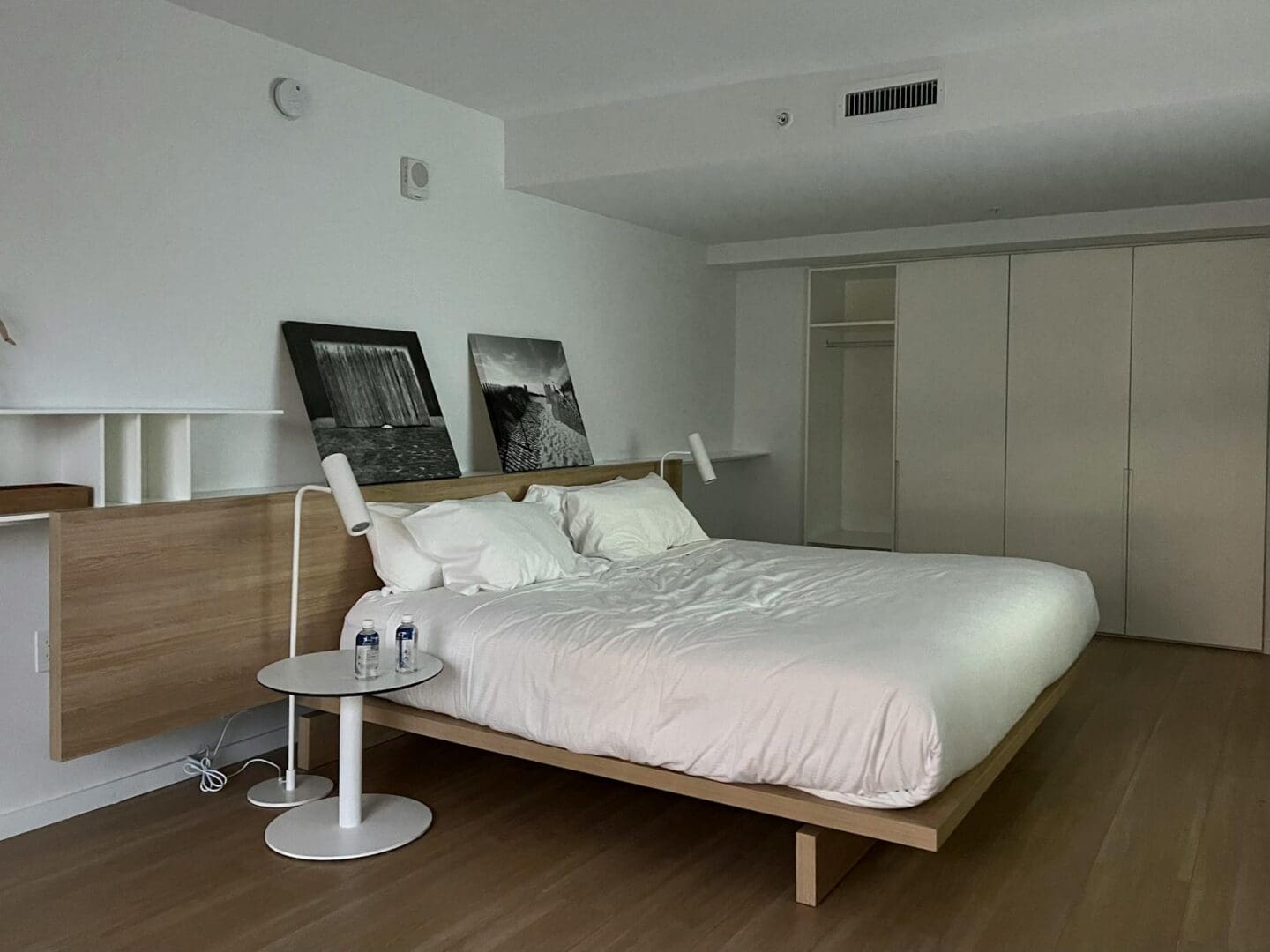
Wooden frames should feature mortise-and-tenon joinery or heavy-duty corner brackets rather than simple screws into end grain. Ask about the joinery method or check product specifications—reputable manufacturers will highlight quality construction. Budget frames ($200-400) often use basic hardware, mid-range options ($400-800) typically feature better joinery, and premium frames ($800+) invest in superior construction techniques that prevent squeaking.
Material Choices That Stay Quiet
Different materials have different tendencies when it comes to noise. Solid wood frames, particularly hardwoods like oak, maple, or walnut, are naturally quiet because wood-on-wood contact doesn’t produce the same metallic sounds as metal frames. However, the wood must be thick and well-seasoned—cheap pine or particleboard frames will develop looseness as the material compresses.
Metal frames get a bad reputation for squeaking, but high-quality steel or wrought iron frames can be perfectly silent when properly welded. The issue with metal is that budget versions rely on brackets and bolts that work loose. If you love the look of metal, invest in a heavier gauge steel frame with welded construction.
Upholstered frames have a hidden advantage: the padding and fabric actually dampen any minor sounds from the internal frame. They’re an excellent choice if you’re particularly sensitive to noise, though you’ll still want to verify the internal frame construction is solid.
Design Features That Prevent Squeaking
Beyond materials and construction, certain design elements contribute to a quieter bed. Platform beds that support the mattress directly with slats are generally quieter than frames requiring a separate box spring—that’s one less component to create noise. If you do prefer the traditional look with a box spring, choose a frame with a center support beam to prevent sagging and movement.
Pay attention to slat design too. Wide, thick slats (at least 3 inches wide and 0.75 inches thick) positioned close together provide better support with less flex than thin, widely-spaced slats. Some higher-end frames include rubberized or felt pads where slats rest on the frame rails—this small detail eliminates wood-on-wood contact that can create noise.
Frames with a lower profile and center legs touching the floor have additional stability that reduces stress on joints. That extra support point means less flex throughout the frame structure, which translates to less noise over time.
What to Check Before You Buy
When shopping in person, don’t be shy about applying pressure to different parts of the display frame. Push down on corners and along the sides—a well-built frame shouldn’t flex noticeably or produce sounds. Check that all joints are tight with no visible gaps. Read reviews specifically mentioning squeaking or noise, as this is one area where previous buyers will definitely speak up if there’s a problem.
Ask about the warranty too. Manufacturers confident in their construction often offer longer warranties, and a good warranty can provide peace of mind if issues develop later. Most quality frames come with at least a one-year warranty, with premium options offering five years or more.
A quiet bed frame is absolutely achievable—you just need to prioritize solid construction, choose appropriate materials for your budget, and look for thoughtful design features. Whether you’re investing in a budget-friendly platform bed or splurging on a handcrafted hardwood frame, focusing on these key factors will help ensure your nights stay peaceful and squeak-free.
Shopping for a dresser for your child’s room feels different than buying one for yourself. You’re not just thinking about today—you’re wondering if it’ll survive the toddler years, hold up through elementary school, and maybe even make it to the teenage bedroom. The good news? With the right approach, you can find a dresser that […]
You’ve found the perfect bed frame, but now your old dresser looks completely out of place. Or maybe you’re starting fresh and wondering whether you need to buy a matching bedroom set. The truth is, coordinating your dresser and bed frame isn’t about finding exact matches—it’s about creating visual harmony through smart choices about style, […]
Adding a dresser to your walk-in closet can transform it from a simple hanging space into a fully functional dressing room. But unlike choosing a dresser for your bedroom, closet dressers have different requirements—they need to fit within existing dimensions, complement built-in systems, and maximize storage without creating obstacles. Whether you’re designing a new closet […]