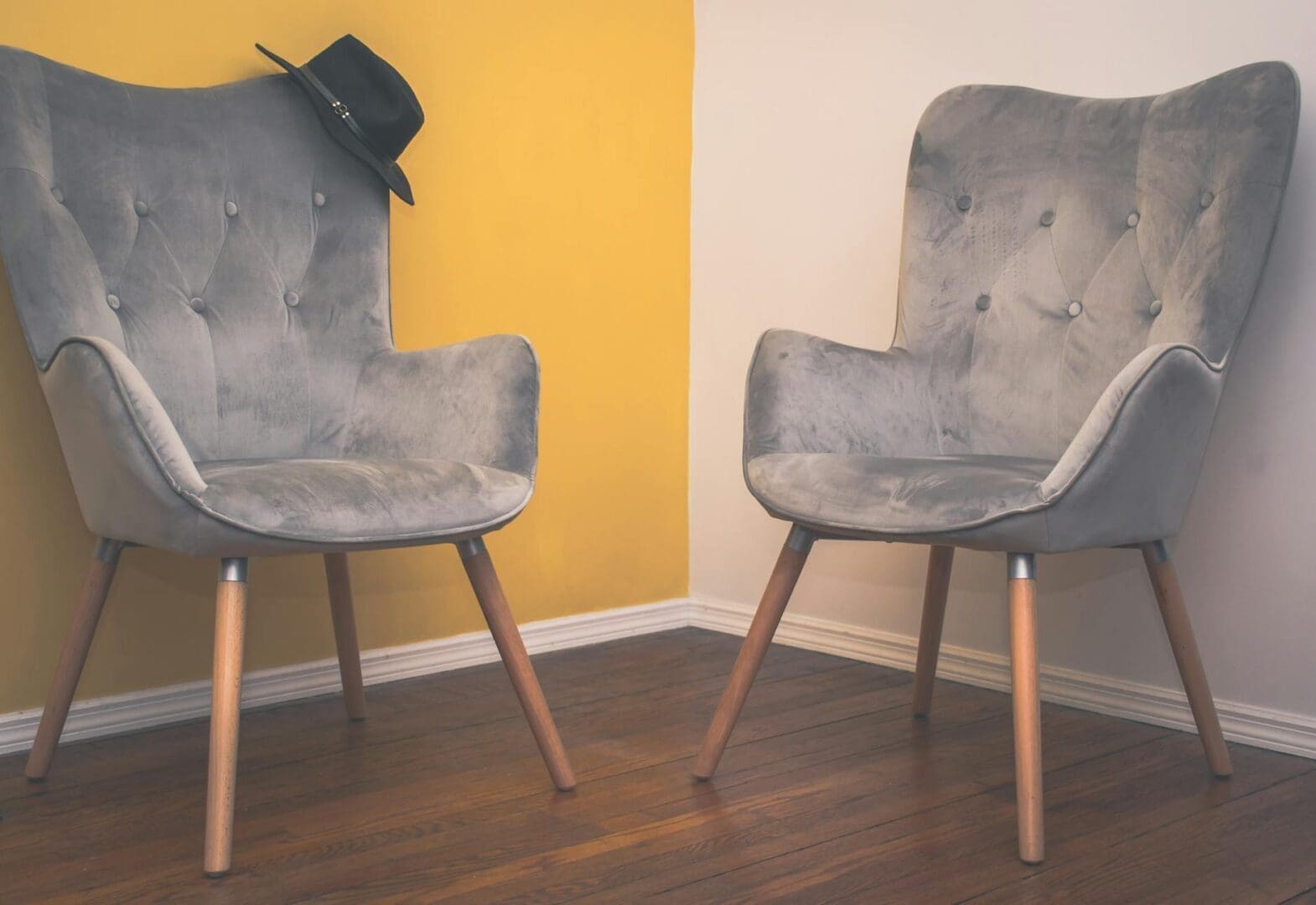
An accent chair can transform your living room from a perfectly fine space into one that feels complete and intentional. But walk into any furniture store (or browse online), and you’ll quickly realize there are hundreds of options—each promising to be “the one.” The truth is, choosing the right accent chair isn’t just about finding something pretty. It needs to work with your existing furniture, fit your space, and actually be comfortable enough to use.
Let’s break down what really matters when you’re shopping for an accent chair, so you can find one that looks great and works hard in your home.
Getting the Size and Scale Right
Before you fall in love with a chair’s fabric or style, you need to think about size. An oversized club chair might look stunning in a showroom, but if it overwhelms your living room, it’ll never feel right.
Measure the space where you’re planning to put the chair, leaving at least 18 inches of walking space around it. Most accent chairs range from 28 to 36 inches wide, but styles like wingbacks and barrel chairs can be significantly wider. Consider the chair’s height too—if you’re placing it next to a sofa, the seat height should be within a few inches of your sofa’s seat height for a cohesive look.
Think about proportions relative to your other furniture. If you have a deep, substantial sofa, a delicate slipper chair might look out of place. Conversely, a hefty leather recliner could overpower a sleek modern sectional.
Choosing a Style That Complements Your Space
Here’s where it gets fun. Your accent chair can either blend seamlessly with your existing furniture or provide an intentional contrast—both approaches work.
For a cohesive look, match the style lines of your sofa. If you have a mid-century modern sofa with tapered legs and clean lines, consider a chair with similar characteristics. Traditional spaces with rolled-arm sofas pair beautifully with wingback or English arm chairs.
If you want your accent chair to stand out, look for complementary rather than clashing styles. A modern velvet armchair can work in a traditional room if the color palette is right. A classic leather chair adds warmth to contemporary spaces. Popular styles include:
Club chairs—deep, comfortable, and casual
Wingback chairs—formal and structured with distinctive side panels
Barrel chairs—rounded backs that feel modern and inviting
Slipper chairs—armless and compact, perfect for smaller spaces
Mid-century armchairs—angled backs and exposed wood frames
Material and Fabric Considerations
The fabric or material you choose determines both how your chair looks and how well it holds up to real life.
Upholstered chairs offer the most variety. Performance fabrics (often found in the $400-$800 range) resist stains and wear, making them ideal if you have kids or pets. Velvet creates a luxurious look and has made a strong comeback, though it shows wear patterns over time. Linen and cotton blends offer a relaxed, livable feel but may require more maintenance.
Leather chairs start around $600 for bonded leather and can exceed $2,000 for full-grain options. They develop character as they age and are remarkably durable, though they require conditioning to prevent cracking.
Don’t overlook the frame material. Hardwood frames (oak, maple, or beech) last decades, while engineered wood or metal frames work fine for lighter use. If you can’t test the chair in person, look for descriptions that mention “kiln-dried hardwood” or similar construction details.
Comfort Versus Looks
An accent chair you never sit in is just expensive decor. Before buying, think about how you’ll actually use it.
Seat depth matters more than most people realize. Shallow seats (18-20 inches) work if you prefer sitting upright, while deeper seats (22-24 inches) invite lounging. Test the firmness too—some people love a firm, structured seat while others want to sink in.
Armrests affect comfort significantly. Full arms provide support for reading or relaxing, while low arms or armless designs offer flexibility for different sitting positions. Chair height should let your feet rest flat on the floor when seated.
Budget-friendly options under $300 often sacrifice some comfort for style, with thinner cushioning and less supportive frames. Mid-range chairs ($400-$900) typically offer better construction and comfort, while splurge-worthy options over $1,000 deliver both exceptional comfort and quality that lasts.
The right accent chair brings personality, extra seating, and visual balance to your living room. Focus on finding one that fits your space physically, matches (or intentionally contrasts with) your style, and invites you to actually sit down. When those three elements align, you’ve found a winner that’ll enhance your living room for years to come.
You need more storage in your living room, but a bulky bookcase feels too heavy and floating shelves aren’t cutting it. A credenza might be exactly what you’re looking for—it’s that low-profile cabinet that gives you tons of hidden storage while creating a beautiful surface for lamps, plants, and the things you actually want to […]
If you’ve been hitting snooze repeatedly or dragging yourself out of bed feeling groggy, you’re not alone. Waking up to a jarring alarm in a dark room works against your body’s natural rhythms, especially during winter months. A sunrise alarm clock mimics natural dawn, gradually filling your room with light to ease you awake. But […]
Waking up at 3 a.m. with a sweaty neck and flipping your pillow to the cool side for the fourth time isn’t just annoying—it’s robbing you of quality sleep. If you’re a hot sleeper, your pillow might be trapping heat against your head and neck all night long. The good news? The right cooling pillow […]