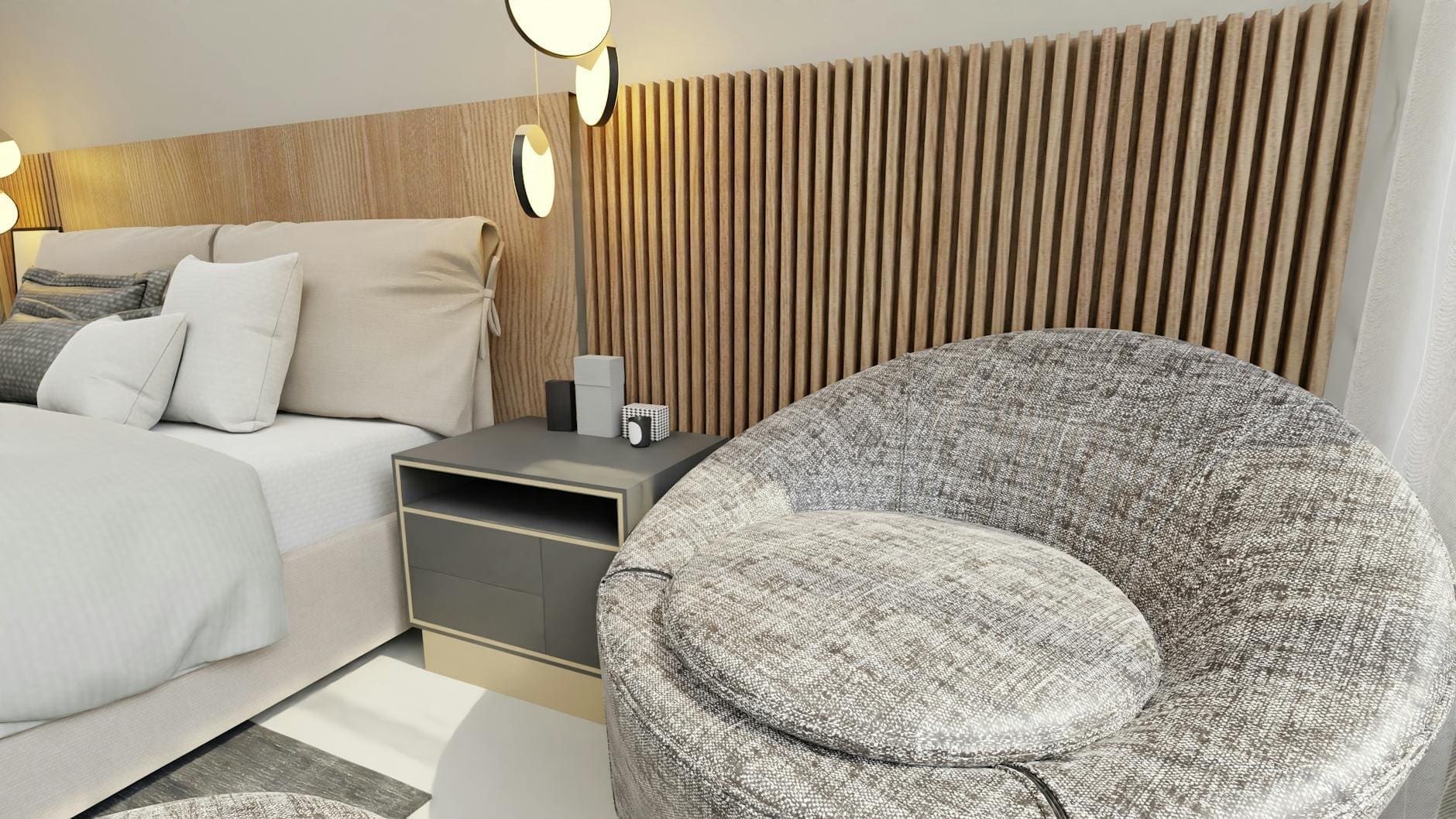
An accent chair can transform your bedroom from a place where you simply sleep into a genuine retreat. Whether you’re looking to create a cozy reading nook, need a spot to pull on your shoes, or just want to fill that awkward empty corner, the right chair makes your bedroom feel more intentional and inviting. The trick is finding one that fits your space, matches your style, and actually serves a purpose beyond looking pretty.
Consider Your Available Space and Placement
Before you fall in love with any chair, measure your space. A cramped bedroom can’t accommodate a sprawling wingback, while a generous primary suite might make a delicate slipper chair look like an afterthought.
Most accent chairs range from 25 to 35 inches wide. For tight quarters, look for armless chairs or those with slim, modern profiles. If you’re placing the chair in a corner, measure diagonally to ensure it won’t block doors, drawers, or walking paths. You’ll want at least 30 inches of clearance around the chair for comfortable movement.
Think about where the chair will live. Next to a window with good natural light makes it perfect for reading. Positioned at the foot of the bed, it becomes a functional spot for laying out tomorrow’s outfit. Tucked in a corner with a small side table creates an intimate conversation area or morning coffee spot.
Match Your Bedroom’s Style and Mood
Your accent chair should feel like it belongs, even if it’s meant to stand out. That doesn’t mean it needs to match your bedding exactly, but it should complement your existing aesthetic.
For traditional bedrooms, consider upholstered wingbacks, button-tufted club chairs, or bergère chairs with exposed wood frames. These typically range from $400 to $1,200 depending on fabric and construction quality. Modern and contemporary spaces benefit from clean-lined lounge chairs, sculptural mid-century pieces, or minimalist armchairs in the $300 to $900 range. Farmhouse or cottage-style bedrooms pair beautifully with slipper chairs, curved barrel chairs, or anything in linen or neutral tones.
Don’t be afraid to use your accent chair as an actual accent. If your bedroom is mostly neutral, a chair in a rich jewel tone or interesting pattern adds personality without overwhelming the space. Conversely, if your bedding and walls already have visual interest, a solid-colored chair in a complementary shade keeps things balanced.
Choose Materials Based on Function and Maintenance
How you’ll actually use the chair should guide your material choice. A reading chair needs to be comfortable for extended sitting, while a primarily decorative chair at the foot of the bed can prioritize looks over long-term lounging.
Upholstered chairs offer the most comfort and come in countless fabric options. Performance fabrics resist stains and wear, making them practical if you’ll use the chair daily or have pets. Velvet adds luxury and works especially well in bedrooms since it won’t face the heavy use of living room furniture. Leather and faux leather bring texture and age beautifully, though they can feel cool to the touch in winter months.
Wood and metal chairs with minimal padding work well as accent pieces where you need something visually interesting but won’t sit for hours. They’re also easier to keep clean and can handle being draped with clothes or used as a temporary landing spot for your bag.
Balance Comfort with Practicality
An accent chair in your bedroom should be comfortable enough to use but appropriate for the space you have. Test chairs in person when possible, or carefully read dimensions and reviews if shopping online.
Seat depth matters more than most people realize. Seats 20 to 22 inches deep work for most adults and allow you to sit back comfortably. Deeper seats might make you feel like you’re sinking in, while shallower seats can feel perchy. Armrests should hit around elbow height when you’re seated, and the seat height should let your feet rest flat on the floor.
Think about how easy the chair is to move. Lighter chairs let you reposition for different needs, while heavier pieces stay put. If you’re short on space, consider a chair that can tuck under a desk or window ledge when not in use.
Choosing a bedroom accent chair really comes down to knowing how you’ll use it and being honest about your space constraints. A well-chosen chair makes your bedroom more functional and helps it feel complete, like you’ve thought about every corner of the room. Take your measurements, consider your daily routine, and look for something that makes you want to spend more time in your bedroom doing things other than sleeping.
Shopping for a dresser for your child’s room feels different than buying one for yourself. You’re not just thinking about today—you’re wondering if it’ll survive the toddler years, hold up through elementary school, and maybe even make it to the teenage bedroom. The good news? With the right approach, you can find a dresser that […]
You’ve found the perfect bed frame, but now your old dresser looks completely out of place. Or maybe you’re starting fresh and wondering whether you need to buy a matching bedroom set. The truth is, coordinating your dresser and bed frame isn’t about finding exact matches—it’s about creating visual harmony through smart choices about style, […]
Adding a dresser to your walk-in closet can transform it from a simple hanging space into a fully functional dressing room. But unlike choosing a dresser for your bedroom, closet dressers have different requirements—they need to fit within existing dimensions, complement built-in systems, and maximize storage without creating obstacles. Whether you’re designing a new closet […]