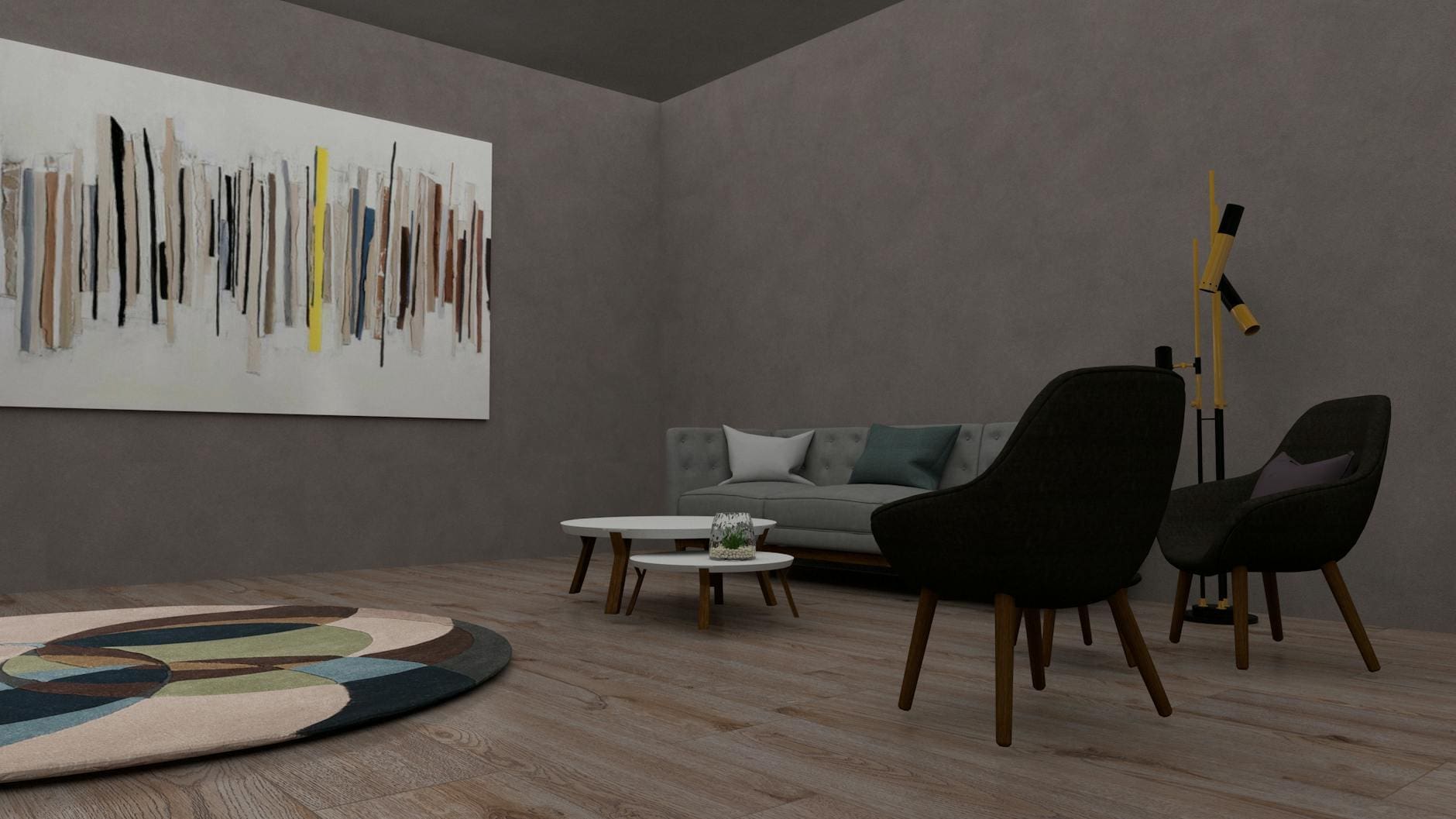
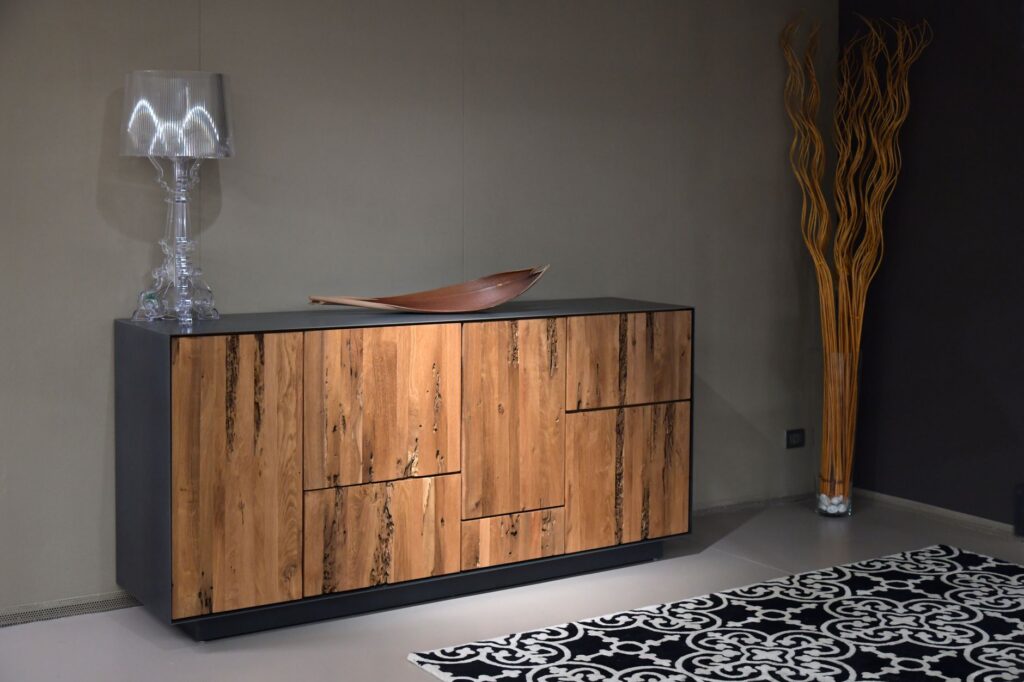
So you’ve moved into a place with a living room that has no overhead light fixture—just a blank ceiling staring back at you. It’s more common than you’d think, especially in older homes and apartments. The good news? You don’t need a ceiling fixture to create a warm, well-lit space. With the right combination of lamps and fixtures, you can actually create more interesting, layered lighting than a single overhead bulb ever could.
Start with Floor Lamps for Your Main Light Source
Floor lamps are your best friend when there’s no ceiling fixture. They provide the ambient lighting you need without any electrical work. The key is thinking about placement and light output.
Look for floor lamps with at least 800-1000 lumens if you want them to serve as primary light sources. Torchiere lamps—the ones that shine light upward—are particularly effective because they bounce light off the ceiling and spread it around the room, mimicking overhead lighting. Arc floor lamps are another smart choice, especially behind a sofa or reading chair, since they extend light over seating areas without taking up surface space.
Budget floor lamps start around $40-60, but expect to spend $100-200 for something with a sturdy base and a dimmer switch. If you want a statement piece with quality materials and finishes, plan for $250-500.
Layer in Table Lamps for Task and Accent Lighting
Once you have your main light covered, table lamps add warmth and fill in the gaps. You’ll typically want at least two table lamps in a living room—one on each end table flanking a sofa, or one on a side table and another on a console or credenza.
Pay attention to lamp height. When you’re sitting down, the bottom of the lampshade should be roughly at eye level so you’re not staring into a bare bulb. That usually means 24-27 inches tall for end tables and 28-34 inches for console tables.
Three-way bulbs are worth seeking out because they give you flexibility—you can adjust brightness depending on whether you’re watching TV, reading, or entertaining. Lamps with USB ports built into the base are increasingly popular and genuinely useful if you’re someone who’s always charging devices.
Don’t Overlook Wall Sconces and Plug-In Options
Wall sconces might sound like they require an electrician, but plug-in versions have come a long way. They mount to the wall but simply plug into a nearby outlet, with the cord tucked along the baseboard or behind furniture. These work beautifully flanking a fireplace, above a console table, or in a dark corner that a lamp can’t quite reach.
Swing-arm sconces are especially practical next to a reading chair or at the end of a sofa. You get adjustable, directional light without sacrificing floor or table space. Many plug-in sconces also come with cord covers that blend with your wall color, making the setup look more permanent than it actually is.
Expect to spend $50-150 per sconce for decent quality. Installation takes about 15 minutes with a drill and wall anchors.
Create Ambiance with LED Strip Lights and Picture Lights
For those finishing touches, consider accent lighting that adds depth without adding clutter. LED strip lights installed behind your TV, under floating shelves, or along the back of a console create a subtle glow that reduces eye strain and makes your space feel more layered.
Battery-operated picture lights are another underused option. They highlight artwork while adding small pools of light around the room. You can find simple brass or nickel picture lights starting around $25-40 that stick or mount above frames.
The goal is to have multiple light sources at different heights throughout the room. This creates what designers call “layered lighting”—a mix of ambient, task, and accent lights that you can turn on and off depending on the mood you want.
Your living room doesn’t need an overhead fixture to feel complete. With two or three well-chosen floor lamps, a couple of table lamps, and maybe a pair of sconces, you’ll have flexible, flattering light that’s actually more interesting than a standard ceiling fixture. Start with your main light source, then build from there based on how you actually use the space.
You need more storage in your living room, but a bulky bookcase feels too heavy and floating shelves aren’t cutting it. A credenza might be exactly what you’re looking for—it’s that low-profile cabinet that gives you tons of hidden storage while creating a beautiful surface for lamps, plants, and the things you actually want to […]
If you’ve been hitting snooze repeatedly or dragging yourself out of bed feeling groggy, you’re not alone. Waking up to a jarring alarm in a dark room works against your body’s natural rhythms, especially during winter months. A sunrise alarm clock mimics natural dawn, gradually filling your room with light to ease you awake. But […]
Waking up at 3 a.m. with a sweaty neck and flipping your pillow to the cool side for the fourth time isn’t just annoying—it’s robbing you of quality sleep. If you’re a hot sleeper, your pillow might be trapping heat against your head and neck all night long. The good news? The right cooling pillow […]