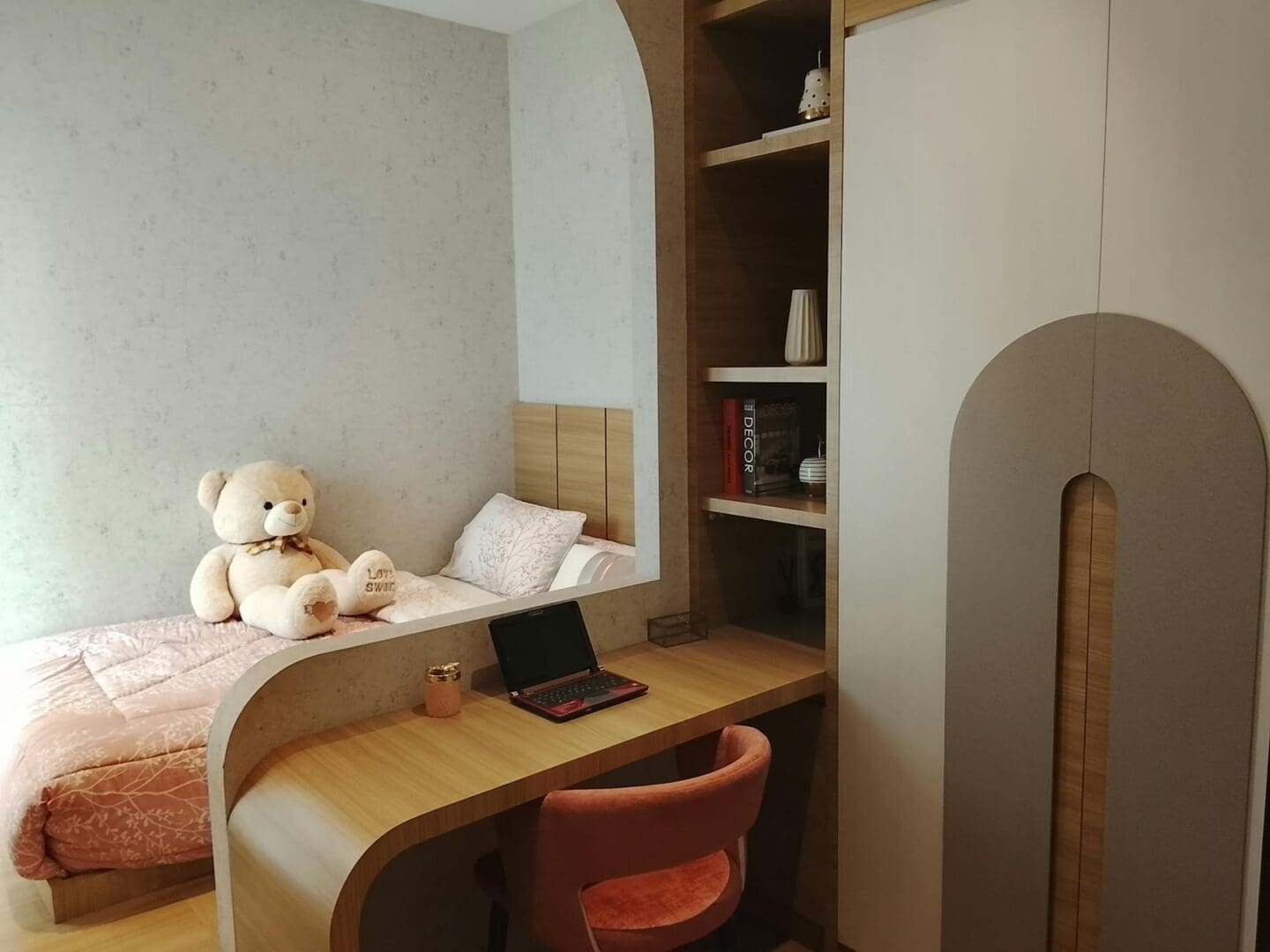
Between virtual learning, after-school projects, and the general chaos of family life, kids need a dedicated spot to focus on homework. But when you’re already playing Tetris with your furniture just to fit everyone’s essentials, carving out a whole study area feels impossible. The good news? You don’t need a spare room or even a large desk to create a functional homework station that actually works.
Finding the Right Spot (Even When There Isn’t One)
Before you shop for furniture, scout your home for underused real estate. The corner of a bedroom, a section of hallway wider than 30 inches, or even a closet with the doors removed can become a productive homework zone. Kitchen counters work in a pinch, but a designated spot helps kids mentally shift into work mode.
Measure your available space carefully—width, depth, and height. A functional homework station needs at least 24 inches of depth and 30 inches of width, though 36 inches wide is more comfortable. Wall-mounted desks fold down to just 6 inches when not in use, making them perfect for hallways or shared bedrooms. Expect to spend around $80-150 for a quality fold-down desk, while compact writing desks with slim profiles start around $100-200.
Choosing Furniture That Works Overtime
In small spaces, every piece needs to earn its footprint. Skip the traditional desk-and-chair combo if space is really tight. Instead, consider these alternatives:
Secretary desks close up to hide clutter and take up less than 18 inches of depth—perfect for living rooms or bedrooms where you want the workspace to disappear after homework time
Corner desks maximize awkward angles that wouldn’t fit standard furniture, giving you a surprising amount of work surface (typically 40-50 inches across both sides)
Floating wall desks with built-in storage keep the floor clear, making small rooms feel more spacious while providing 30-40 inches of workspace
Rolling carts serve as mobile supply stations that tuck beside the desk or slide under it entirely when not needed
For seating, look for chairs that slide completely under the desk or stools that double as side tables. Budget-friendly desk chairs run $60-120, while ergonomic options designed for growing kids range from $150-300. If the homework station is in a bedroom, the bed itself can serve as seating with a lap desk as backup.
Organizing Vertically When You Can’t Spread Out
When floor space is limited, go up. Wall-mounted shelves, pegboards, and hanging organizers keep supplies accessible without consuming precious square footage. A simple pegboard above the desk (around $20-40) holds everything from scissors to headphones using hooks and small baskets.
Floating shelves ranging from $25-60 each create storage for books and binders within arm’s reach. Install them 12-18 inches above the desk surface—high enough to avoid head bumps but low enough for kids to reach easily. Magnetic boards or cork strips mounted on the wall provide space for assignment reminders and important papers without requiring a bulletin board that juts out.
Desktop organizers with vertical compartments (typically $15-45) corral pens, calculators, and sticky notes in a 6-8 inch footprint. Choose ones with multiple tiers to maximize the vertical dimension of the desk itself. Under-desk storage like hanging fabric pockets or slim rolling drawers captures even more supplies without taking up work surface.
Lighting and Final Touches That Make It Functional
Adequate lighting transforms a cramped corner into a legitimate workspace. Clip-on LED desk lamps ($20-50) provide focused light without requiring desk space, while swing-arm wall lamps ($40-100) keep the desk surface completely clear. Look for adjustable options rated at least 450 lumens for reading and writing tasks.
Add a small desk pad or blotter ($12-30) to define the workspace and protect the surface. In tight quarters, choose light colors for furniture and accessories—white, light wood, or soft gray—to keep the area feeling open rather than cave-like.
Creating a homework station in a small space is really about being strategic with every inch. Measure carefully, prioritize vertical storage, and choose furniture scaled to your actual available space rather than trying to squeeze in standard-sized pieces. With the right compact desk, smart storage solutions, and proper lighting, even the smallest nook can become a productivity zone that helps homework actually get done.
You need more storage in your living room, but a bulky bookcase feels too heavy and floating shelves aren’t cutting it. A credenza might be exactly what you’re looking for—it’s that low-profile cabinet that gives you tons of hidden storage while creating a beautiful surface for lamps, plants, and the things you actually want to […]
If you’ve been hitting snooze repeatedly or dragging yourself out of bed feeling groggy, you’re not alone. Waking up to a jarring alarm in a dark room works against your body’s natural rhythms, especially during winter months. A sunrise alarm clock mimics natural dawn, gradually filling your room with light to ease you awake. But […]
Waking up at 3 a.m. with a sweaty neck and flipping your pillow to the cool side for the fourth time isn’t just annoying—it’s robbing you of quality sleep. If you’re a hot sleeper, your pillow might be trapping heat against your head and neck all night long. The good news? The right cooling pillow […]