Working from your bedroom isn’t ideal, but sometimes it’s the only option. Maybe you’re in a small apartment, your spare room became a nursery, or you just need a quiet space away from the household chaos. The challenge is creating a productive workspace without turning your bedroom into a place where you can’t mentally disconnect at night. With the right furniture choices and thoughtful placement, you can have both a functional office and a restful sleep sanctuary.
Choose a Desk That Fits Your Space and Work Style
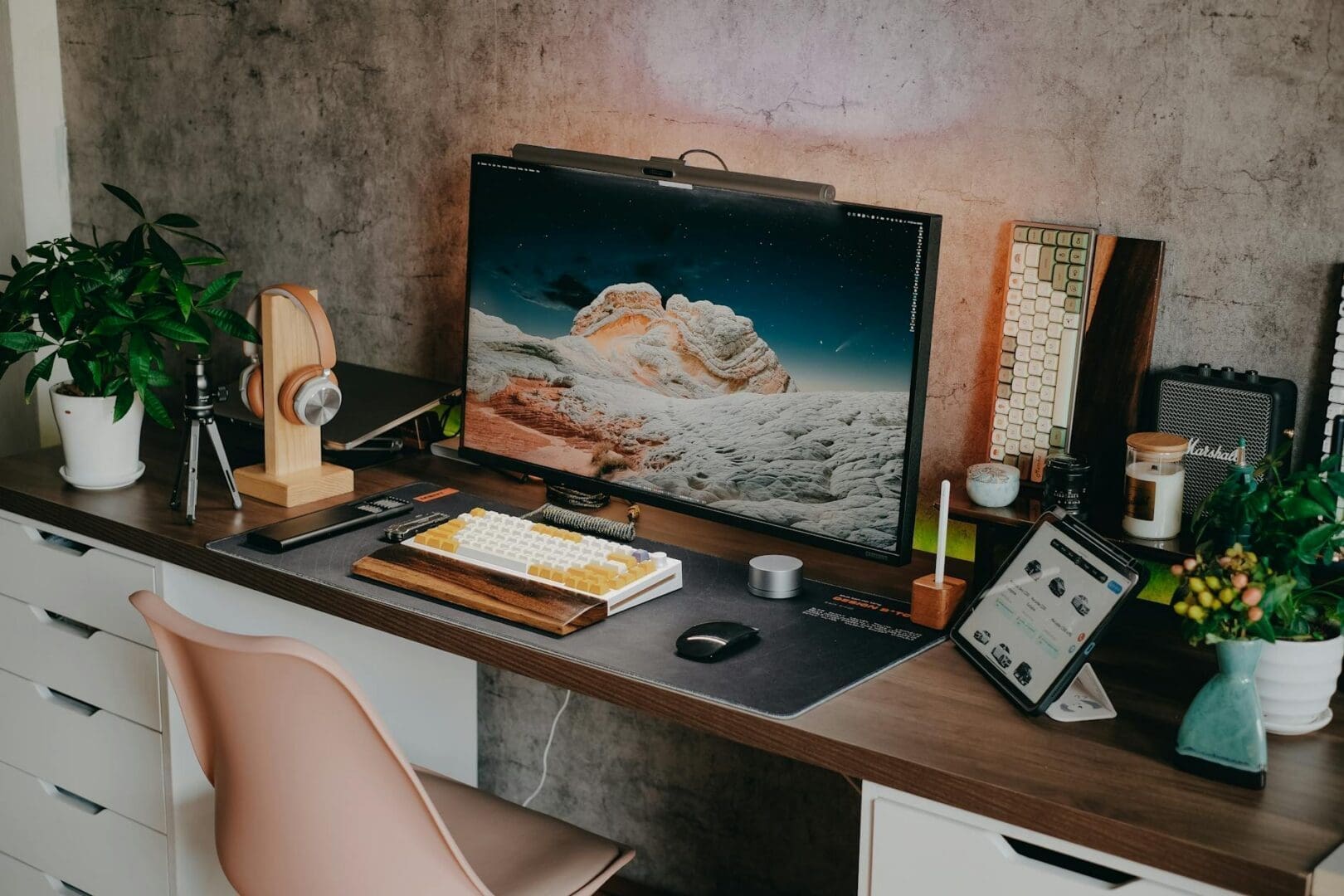
The desk you choose sets the tone for everything else. In a bedroom, you’re working with limited square footage, so every inch counts. A compact writing desk (around 36-48 inches wide) works well if you primarily use a laptop and don’t need much surface area. These typically run $150-$400 for solid options. If you need dual monitors or more workspace, look for corner desks that maximize awkward angles, or wall-mounted floating desks that fold up when not in use—perfect for truly tight spaces.
Secretary desks and armoires that close completely are brilliant for bedroom offices because they literally hide your work when you’re done. Yes, they’re pricier ($500-$1,200), but the mental boundary they create is worth considering. You close the doors, and suddenly it’s just furniture, not a visual reminder of tomorrow’s deadline.
Placement matters as much as the desk itself. Avoid positioning your desk directly facing the bed—you don’t want your first and last view of each day to be your workspace. Instead, place it perpendicular to the bed or in a corner that feels separate from your sleep zone.
Invest in Seating That Supports Both Productivity and Your Back
You’ll be spending hours in this chair, so the $50 dining chair isn’t going to cut it. A proper task chair with lumbar support starts around $200 and makes a genuine difference in your focus and physical comfort. The tricky part in a bedroom is finding something that doesn’t scream “office.” Look for chairs upholstered in fabric rather than mesh, or consider styles with wooden arms and mid-century lines that blend with bedroom furniture.
If your bedroom has a reading nook, you might already have a comfortable accent chair. While it’s tempting to repurpose it as your desk chair, resist unless it has proper back support and sits at the right height for your desk. Your neck and shoulders will thank you.
Create Visual and Physical Separation
The biggest mistake people make with bedroom offices is letting work bleed into sleep space. Use furniture and decor to create distinct zones. A small bookshelf positioned perpendicular to your desk acts as a subtle room divider and provides storage for work supplies. Area rugs can define your “office zone” separately from your “bedroom zone”—even a small 4×6 rug under your desk creates that visual boundary.
Room dividers and folding screens ($100-$400) offer flexible separation, especially useful if your desk must face the bed. Open shelving units work similarly while adding storage. The goal is to create a psychological shift: when you’re at your desk, you’re at work; when you cross that boundary, you’re off the clock.
Lighting plays a supporting role here too. Instead of relying solely on overhead bedroom lighting, add a dedicated desk lamp. This reinforces the separation—you turn on the desk lamp for work mode, turn it off when you’re done. Simple, but effective.
Smart Storage Keeps Work Contained
Nothing ruins bedroom tranquility like stacks of paperwork on every surface. Closed storage is essential. A small filing cabinet that slides under your desk ($60-$150) keeps documents out of sight. Desktop organizers, floating shelves above your desk, or a small credenza alongside it give you places to put things that aren’t your nightstand.
If you’re using a closet as your office nook—and some reach-in closets are perfectly sized for this—install a tension rod with a curtain. Instant concealment when the workday ends.
Creating a bedroom office is about balance. You need legitimate workspace and furniture that supports productive work, but you also need to preserve your bedroom as a place of rest. The right desk, proper seating, intentional separation, and smart storage make it entirely possible to have both. Start with the desk that fits your space and work needs, then build out from there. Your bedroom can absolutely do double duty—it just needs a little planning.
Shopping for a dresser for your child’s room feels different than buying one for yourself. You’re not just thinking about today—you’re wondering if it’ll survive the toddler years, hold up through elementary school, and maybe even make it to the teenage bedroom. The good news? With the right approach, you can find a dresser that […]
You’ve found the perfect bed frame, but now your old dresser looks completely out of place. Or maybe you’re starting fresh and wondering whether you need to buy a matching bedroom set. The truth is, coordinating your dresser and bed frame isn’t about finding exact matches—it’s about creating visual harmony through smart choices about style, […]
Adding a dresser to your walk-in closet can transform it from a simple hanging space into a fully functional dressing room. But unlike choosing a dresser for your bedroom, closet dressers have different requirements—they need to fit within existing dimensions, complement built-in systems, and maximize storage without creating obstacles. Whether you’re designing a new closet […]