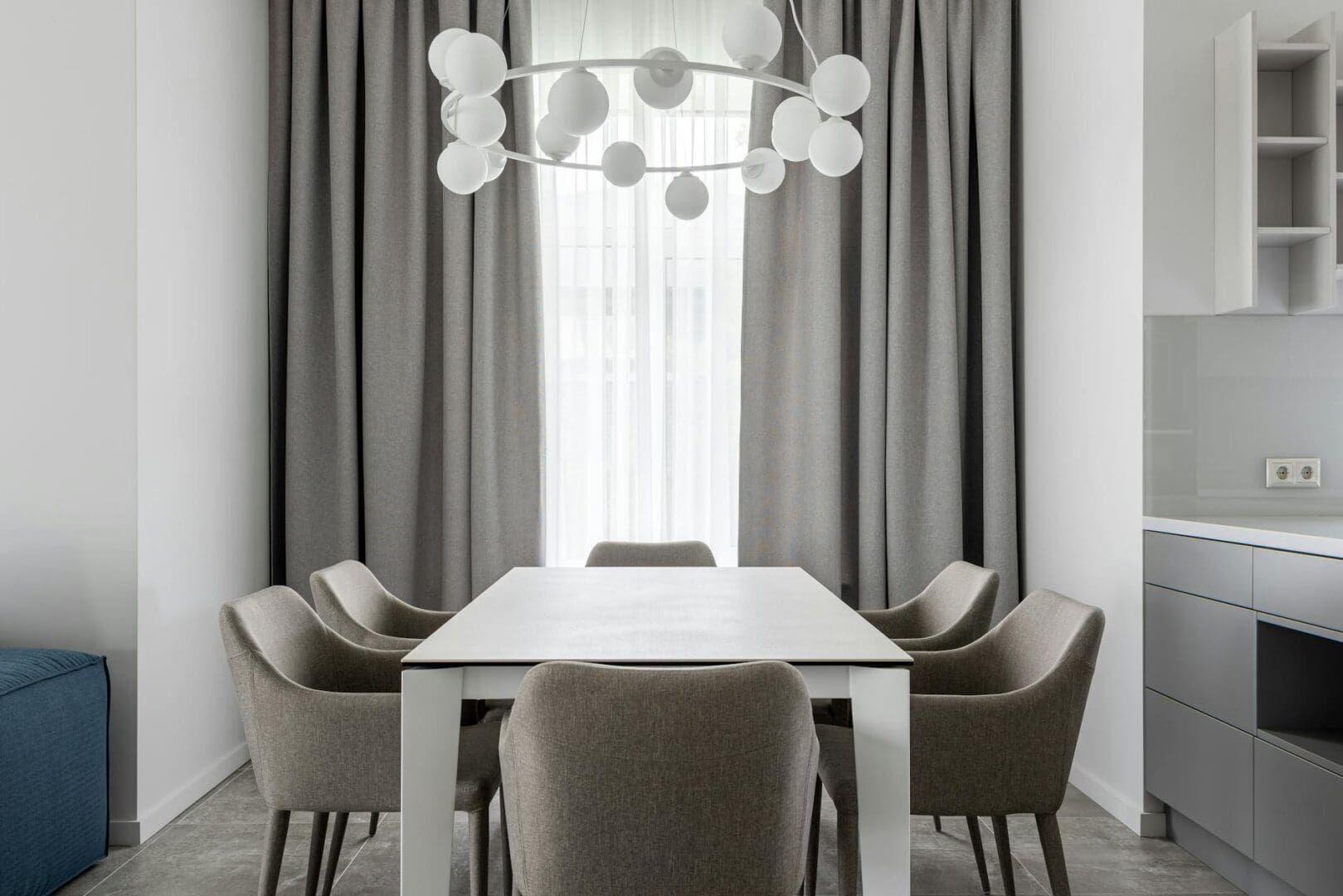
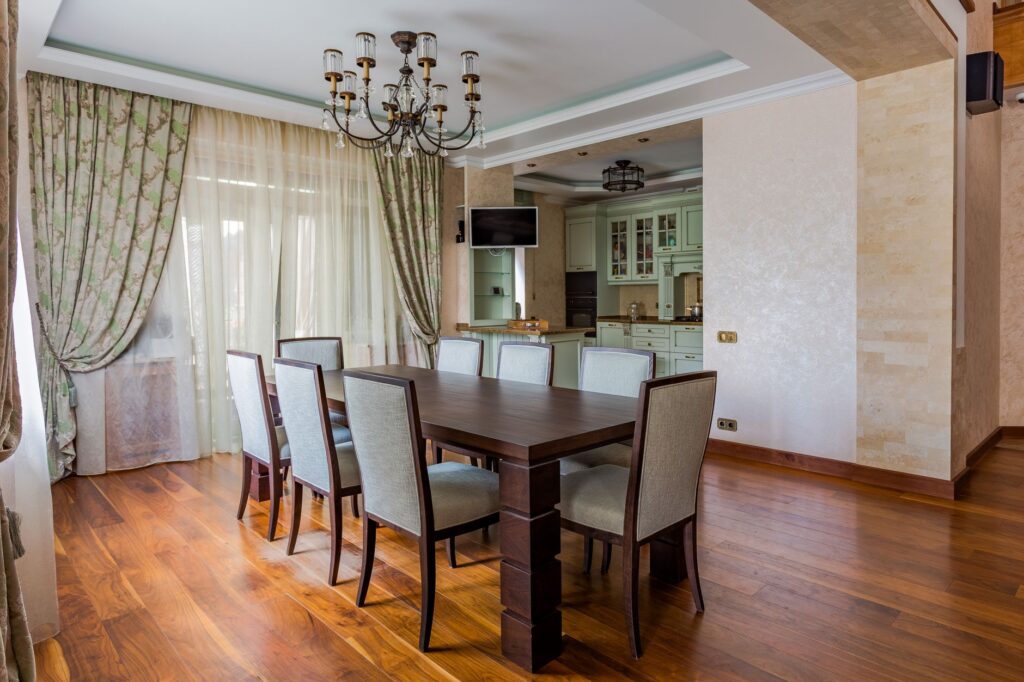
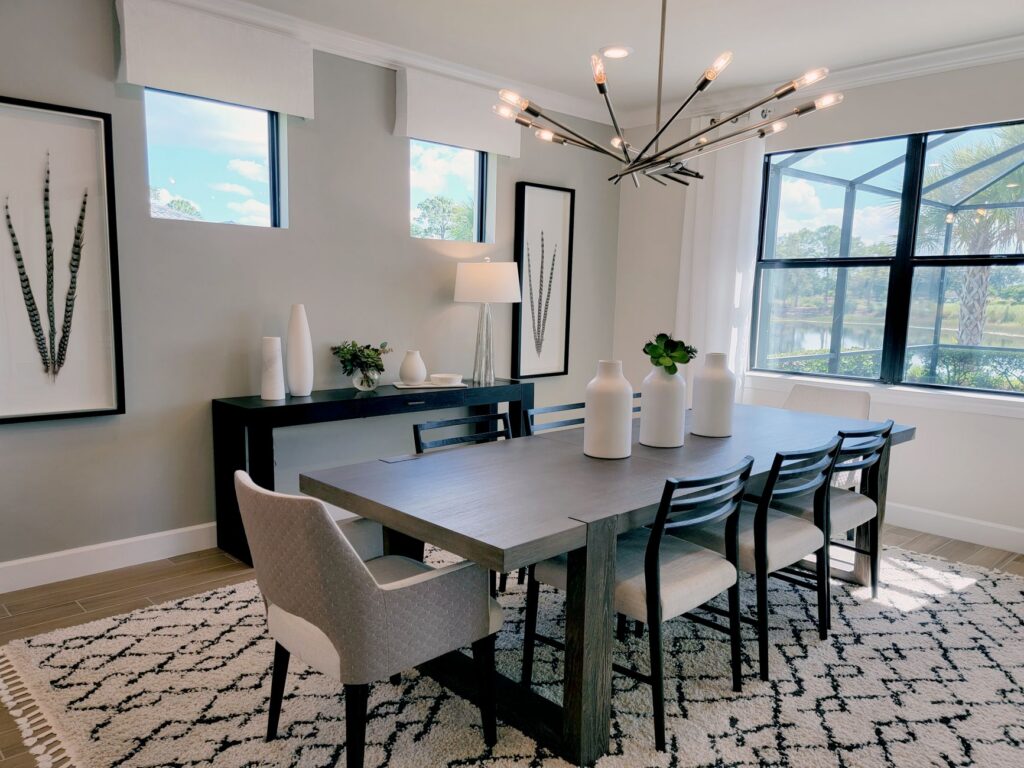
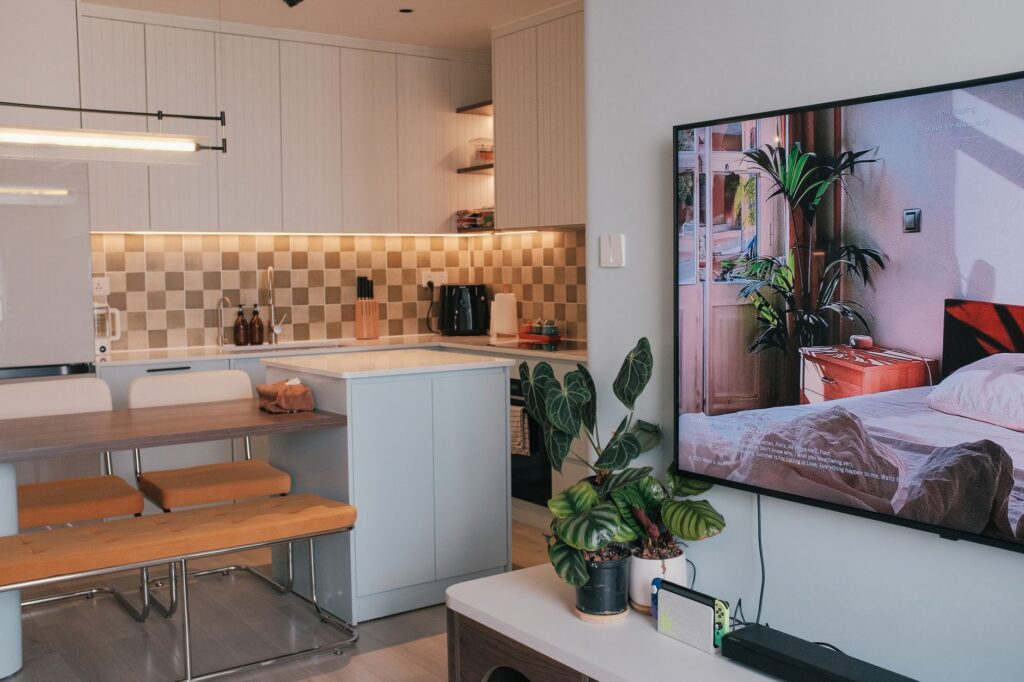
If you’re shopping for a dining table right now, you’re probably noticing that the options look different than they did even a few years ago. The dining room has evolved from formal-only space to the hardest-working room in the house, and table designs are reflecting that shift. Whether you’re replacing an old table or furnishing a new space, understanding what’s driving current design trends helps you choose a piece that feels fresh now and ages gracefully later.
Shapes That Make a Statement
Oval and rounded rectangular tables are having a major moment in 2026, and for good reason. These softer shapes improve traffic flow, eliminate sharp corners (especially helpful with kids around), and create a more intimate dining experience. Unlike perfect circles, which can feel awkward in rectangular rooms, ovals give you the benefits of curves while fitting naturally into most floor plans.
That said, traditional rectangles aren’t going anywhere—they’re just getting more interesting. Look for tables with subtly tapered edges, chamfered corners, or asymmetrical proportions. These small details add visual interest without sacrificing the practicality of a classic shape.
Square tables are also gaining traction for smaller spaces and eat-in kitchens. A 42-inch or 48-inch square works beautifully for four people and creates better conversation dynamics than cramming everyone along a small rectangle.
Materials That Bring Texture and Warmth
The cool, minimalist tables of the past decade are giving way to pieces with character and tactile appeal. Natural wood in medium to rich tones—think walnut, oak, and acacia—dominates the market. You’ll see more tables celebrating wood’s natural variations: knots, grain patterns, and organic edge details rather than perfectly uniform finishes.
Bouclé and textured upholstery aren’t just for chairs anymore. Some manufacturers are incorporating fabric or leather-wrapped details on table edges or aprons, softening the overall look and adding an unexpected luxury element.
Mixed materials continue to evolve too. The latest versions pair warm wood tops with sculptural stone or plaster-look bases rather than the cold metal-and-glass combinations that felt dated years ago. Budget options start around $800-$1,200, while splurge-worthy artisan pieces with premium materials and hand-finished details can reach $3,000-$6,000.
Bases That Deserve a Second Look
If there’s one area where dining tables are getting genuinely exciting, it’s the base. Chunky pedestal bases with architectural presence are replacing spindly center posts and basic four-leg designs. These substantial pedestals—often in rounded, fluted, or geometric forms—anchor a room and solve the eternal problem of table legs interfering with seating.
Trestle bases are being reimagined with softer, more organic forms. Instead of rigid X-shapes or sharp angles, look for curved trestles that echo Mid-Century Modern influences or rustic designs with hand-hewn character.
For extension tables, look for well-engineered butterfly leaf systems or self-storing leaves. The mechanics matter here—test them in person if possible, because you’ll use this feature more than you think.
Sizing for How You Actually Live
Trends aside, the right table size matters more than any style consideration. The standard recommendation still holds: leave 36-48 inches of clearance around the table for comfortable chair movement. For the table itself, plan on 24 inches of width per person for elbow room.
Here’s what’s changing: more people are sizing down slightly and choosing extension tables for flexibility. A 72-inch table that extends to 96 inches gives you everyday practicality with holiday-ready capacity. This approach works especially well in open-plan spaces where an oversized table would dominate sight lines.
Counter-height tables (36 inches versus the standard 30 inches) are trending in casual spaces, but consider carefully—they’re harder to pair with different seating and can feel uncomfortable for shorter household members or guests.
The dining table you choose now will likely stay with you for a decade or more, so look beyond what’s trendy to what genuinely suits your space and lifestyle. The best 2026 tables balance contemporary design with timeless proportions—sculptural enough to feel current, but grounded in quality materials and smart construction. Focus on finding that balance, and you’ll have a piece that works beautifully for years to come.
There’s something about farmhouse chandeliers that just works in a dining room—they bring warmth without being fussy, character without feeling overdone. But with so many styles calling themselves “farmhouse,” from sleek metal cages to chunky wood beam fixtures, figuring out which one belongs above your table can feel surprisingly tricky. The right chandelier should anchor […]
A sputnik chandelier makes a serious statement in a dining room—all those radiating arms and exposed bulbs create instant drama and mid-century appeal. But with so many variations in size, arm count, and finish, choosing the right one for your space can feel overwhelming. Get it right, though, and you’ve got a showstopper that pulls […]
When every square foot counts, bringing furniture into a small apartment feels like a high-stakes game of Tetris. You need storage desperately, but you’re terrified of making your space feel even more cramped. A sideboard can be the perfect solution—if you choose the right one. Let’s walk through exactly what to look for so you […]