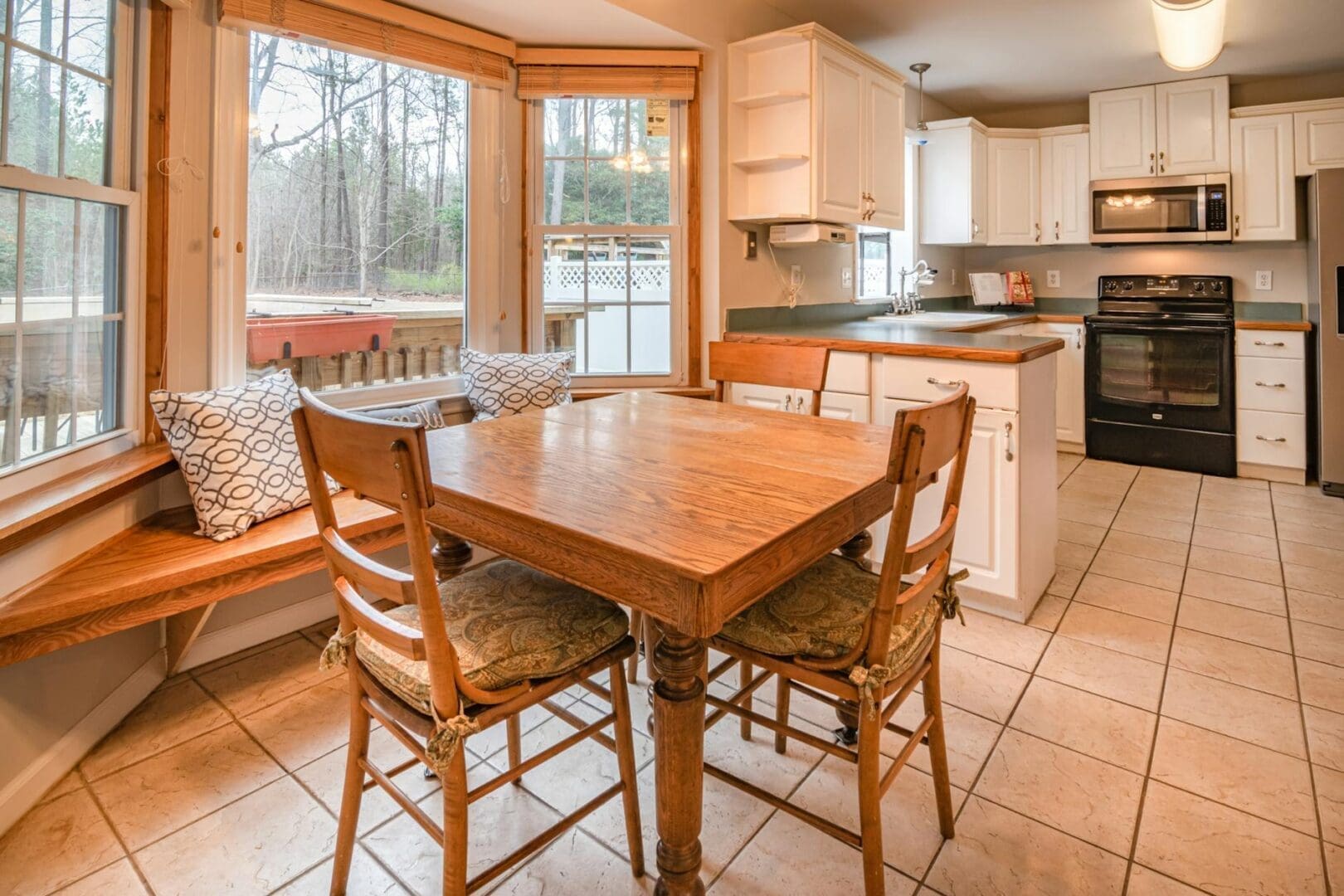
You glance at that awkward corner in your kitchen—too small for a full dining table, but too useful to waste. A breakfast nook might be exactly what that space needs. Even in the tightest kitchens, you can carve out a cozy spot for morning coffee, quick lunches, or helping kids with homework while you cook.
The key is choosing the right furniture and layout for your specific space. Let’s walk through what actually works in small kitchens, so you can create a breakfast nook that’s both functional and inviting.
Find Your Nook: Location and Layout Options
Start by measuring your available space—and be realistic about traffic flow. You need at least 24 inches between the table edge and any wall or cabinet for someone to sit comfortably, and 36 inches if you want people to walk behind seated diners.
Corner nooks are the most space-efficient option. An L-shaped banquette tucked into a corner can seat four people in a footprint that would barely fit two chairs with a traditional table setup. Look for corner bench units ranging from 38 to 48 inches per side, which pair well with compact round or square tables (30 to 36 inches works for most small spaces).
If you don’t have a corner available, consider a window-side setup with a narrow bench against the wall. A 16 to 18-inch depth bench paired with a slim table (24 to 30 inches wide) can work in surprisingly tight spaces. Peninsula or island ends also make natural breakfast nook locations—add two stools or a small bench on the open side.
Choosing the Right Table and Seating
Your table shape matters more in a small kitchen than you might think. Round pedestal tables maximize legroom and eliminate sharp corners in tight quarters. A 30-inch round table comfortably seats two, while a 36-inch version can squeeze in three to four. Expect to pay $150 to $400 for budget-friendly options, $400 to $900 for solid wood mid-range pieces, and $900+ for designer styles with premium finishes.
Drop-leaf and extendable tables give you flexibility—keep them compact daily, then expand for guests. Look for models that extend without requiring you to move the table away from the wall.
For seating, built-in banquettes win for space efficiency. A banquette bench only needs 18 inches of depth compared to 24 to 30 inches for chairs (including pullout space). Choose upholstered versions for comfort during lingering weekend breakfasts, or go with wood benches topped with cushions for easier cleaning with kids around. Backless benches can tuck completely under tables when not in use.
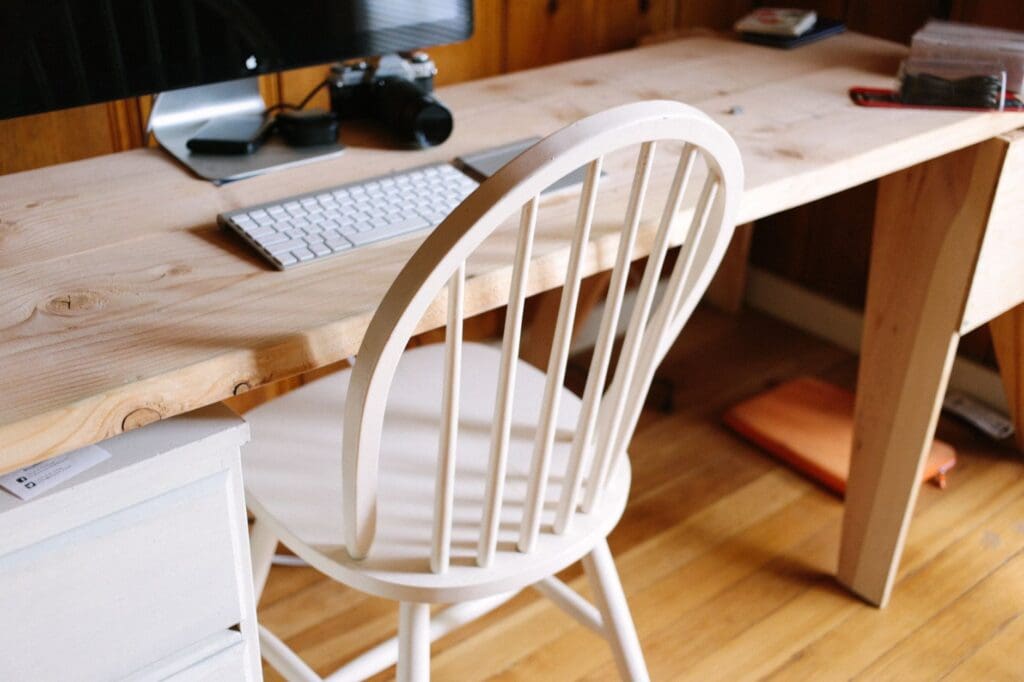
If you prefer movable seating, consider armless dining chairs or stools that slide fully under your table. Windsor-style or ladder-back chairs in smaller scales work better than bulky upholstered options in tight kitchens.
Storage-Boosting Features Worth Considering
In a small kitchen, every piece should pull double duty. Banquette benches with lift-up seats or drawer bases add surprising amounts of storage—perfect for seasonal linens, small appliances, or kids’ art supplies. These storage banquettes typically run $400 to $1,200 depending on size and quality.
Floating corner shelves above your nook create display space without eating into your floor plan. Use them for cookbooks, plants, or coffee mugs you actually use daily. Wall-mounted drop-down tables are another clever option if your space is truly minimal—they fold flat against the wall when not needed.
Making It Feel Intentional, Not Squeezed In
The difference between a cramped corner and a charming nook often comes down to styling. Cushions immediately make built-in benches feel more “breakfast nook” and less “waiting room.” Choose fabrics you can wipe clean or throw in the wash—indoor/outdoor fabrics handle spills remarkably well.
Lighting defines your nook as its own zone. A pendant hung 30 to 36 inches above your table creates intimacy and signals “this is a gathering spot.” In small kitchens, choose fixtures no wider than half your table’s width to keep proportions balanced.
Keep your color palette light and cohesive with your kitchen. White or light wood tones help small nooks feel airy rather than cave-like. If your nook backs to a window, resist the urge to block it with high-back benches—embrace the natural light with lower seating.
A breakfast nook transforms how you use your kitchen, creating a proper gathering spot in even the smallest footprint. Measure carefully, prioritize pieces that serve multiple purposes, and remember that cozy doesn’t have to mean cramped. With the right furniture scaled to your space, that awkward corner becomes the spot everyone gravitates toward.
If you’ve been hitting snooze repeatedly or dragging yourself out of bed feeling groggy, you’re not alone. Waking up to a jarring alarm in a dark room works against your body’s natural rhythms, especially during winter months. A sunrise alarm clock mimics natural dawn, gradually filling your room with light to ease you awake. But […]
Waking up at 3 a.m. with a sweaty neck and flipping your pillow to the cool side for the fourth time isn’t just annoying—it’s robbing you of quality sleep. If you’re a hot sleeper, your pillow might be trapping heat against your head and neck all night long. The good news? The right cooling pillow […]
If you’re working from home or spending hours at your desk, you’ve probably noticed that not all chairs are created equal. That bargain office chair seemed fine at first, but now your back aches by mid-afternoon. You’ve been eyeing ergonomic chairs, but with price tags that can run three to ten times higher than regular […]