Standing in a furniture store (or scrolling online at 11 PM), you might be wondering: what’s actually the difference between a chest of drawers and a dresser? They both have drawers, they both store clothes, and honestly, people use the terms interchangeably all the time. But there are real differences that matter when you’re trying to figure out which one fits your bedroom and your storage needs.
Let’s clear up the confusion so you can make the right choice for your space.
The Basic Difference: Shape and Height
Here’s the simplest way to think about it: a chest of drawers is tall and narrow, while a dresser is long and low. A chest typically stands around 4-6 feet tall with a single column of drawers stacked vertically—usually five to seven drawers. Picture it tucked against a wall or squeezed into a corner.
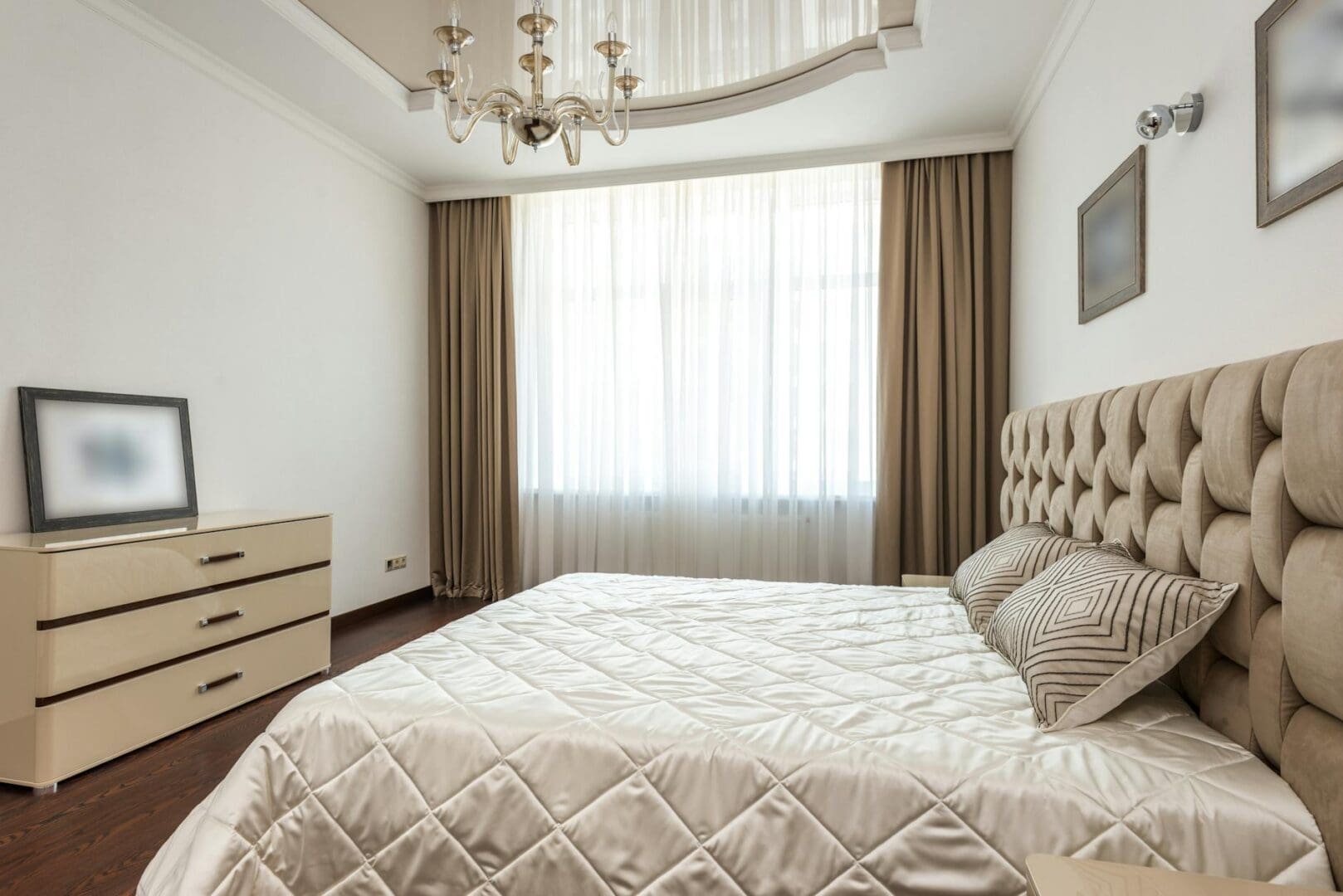
A dresser, on the other hand, is wider than it is tall, usually 3-4 feet high with drawers arranged in two or three columns side by side. That horizontal top surface is big enough for a mirror, TV, or your morning coffee while you’re getting dressed. If you’ve ever seen a piece of furniture with a mirror attached, that’s almost always a dresser.
The shape difference isn’t just aesthetic—it completely changes how the piece functions in your room and what you can store in it.
Storage Style: What Are You Actually Storing?
Chests of drawers excel at vertical storage in tight spaces. They’re perfect for apartments, small bedrooms, or when you need extra storage but don’t have much wall space. The narrow profile means they can slip into spots where a dresser simply won’t fit. Most people use chests for everyday clothing—think t-shirts, jeans, underwear, and pajamas. The downside? Those top drawers are pretty high up, so you probably won’t want to store your most-used items there.
Dressers offer more overall storage capacity and better organization for couples or anyone with an extensive wardrobe. That wide design usually means you can dedicate different drawer sections to different categories—workout clothes on the left, work clothes on the right. The shallower height keeps everything more accessible, and those wider drawers are ideal for bulkier items like sweaters and sweatshirts that would get cramped in a narrow chest.
Budget-friendly options start around $150-300 for basic models, mid-range pieces with solid wood construction run $400-800, and well-crafted heirloom-quality furniture can easily top $1,200.
Room Layout and Functionality
Your bedroom’s layout should heavily influence this decision. Chests work beautifully in rooms where wall space is limited but ceiling height isn’t an issue. They’re also great secondary storage pieces—many people use a dresser as their main furniture and add a chest for seasonal items or a partner’s clothing.
Dressers need more linear wall space but create a functional focal point. That top surface becomes prime real estate for table lamps, jewelry boxes, framed photos, or even mounting a TV. If you’re planning to hang a mirror above it or need a proper “getting ready” station, a dresser is your answer.
Think about traffic flow, too. A chest’s smaller footprint won’t block pathways, while a dresser might create an obstacle in a cramped room. Measure your available wall space before falling in love with anything—a dresser that’s too wide will make your whole room feel squeezed.
Style Considerations
Both pieces come in every style imaginable, from sleek mid-century modern to ornate traditional. However, dressers tend to make more of a design statement simply because they’re larger and more prominent. A beautiful dresser can anchor your entire bedroom aesthetic.
Chests are more understated, which can be a plus if you want your bed or other furniture to take center stage. They’re also easier to tuck away or incorporate into eclectic spaces without overwhelming the room.
Consider mixing both if you have the space and budget—a matching dresser and chest set creates a cohesive, well-furnished look that also maximizes your storage capacity.
So which do you actually need? If you’re short on floor space or shopping for a single person’s bedroom, a chest of drawers probably makes more sense. If you need serious storage, want that usable top surface, or you’re furnishing a shared bedroom, go with a dresser. And if you’re lucky enough to have the room? Both together might be the answer you didn’t know you were looking for.
Shopping for a dresser for your child’s room feels different than buying one for yourself. You’re not just thinking about today—you’re wondering if it’ll survive the toddler years, hold up through elementary school, and maybe even make it to the teenage bedroom. The good news? With the right approach, you can find a dresser that […]
You’ve found the perfect bed frame, but now your old dresser looks completely out of place. Or maybe you’re starting fresh and wondering whether you need to buy a matching bedroom set. The truth is, coordinating your dresser and bed frame isn’t about finding exact matches—it’s about creating visual harmony through smart choices about style, […]
Adding a dresser to your walk-in closet can transform it from a simple hanging space into a fully functional dressing room. But unlike choosing a dresser for your bedroom, closet dressers have different requirements—they need to fit within existing dimensions, complement built-in systems, and maximize storage without creating obstacles. Whether you’re designing a new closet […]