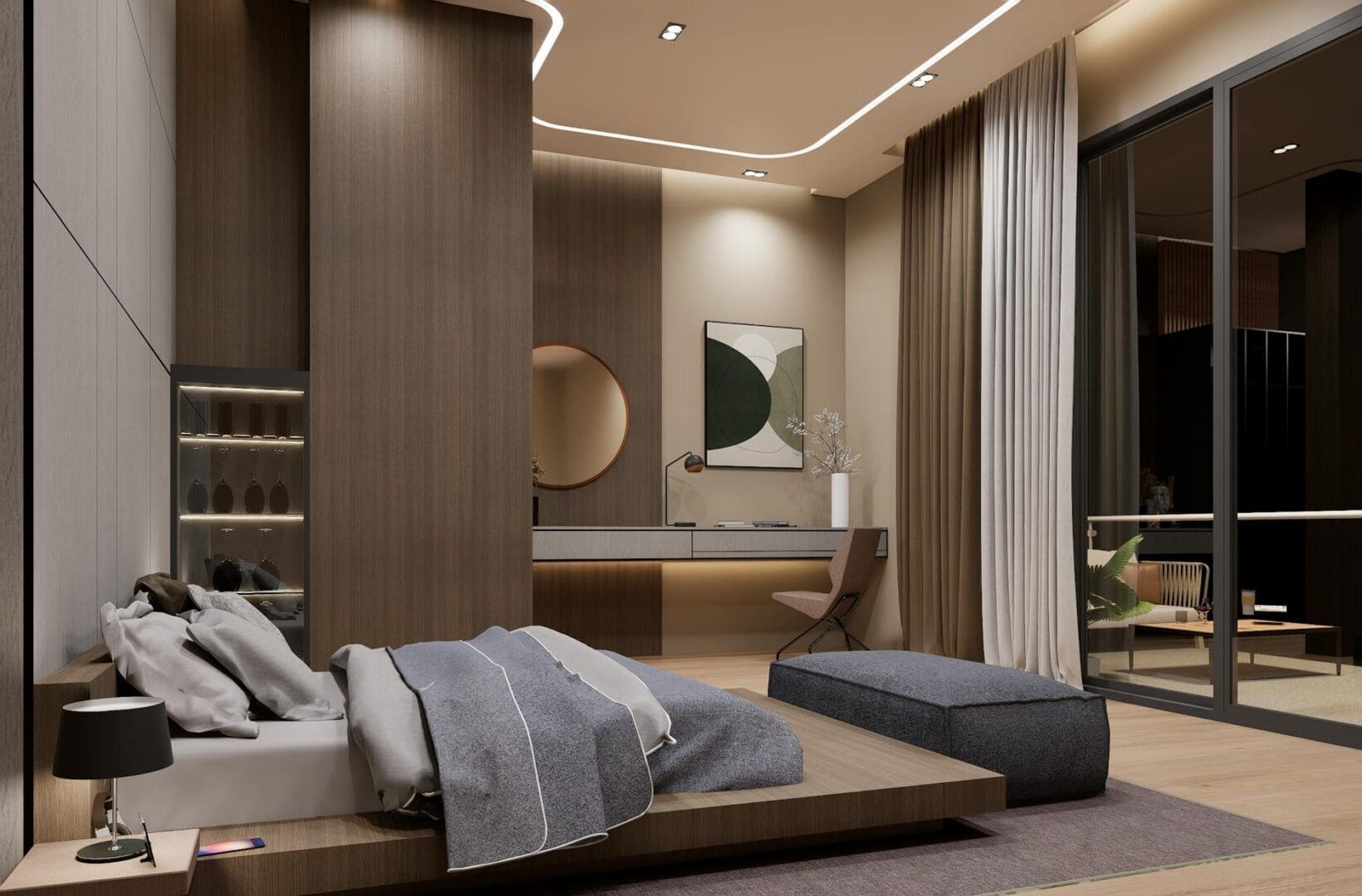
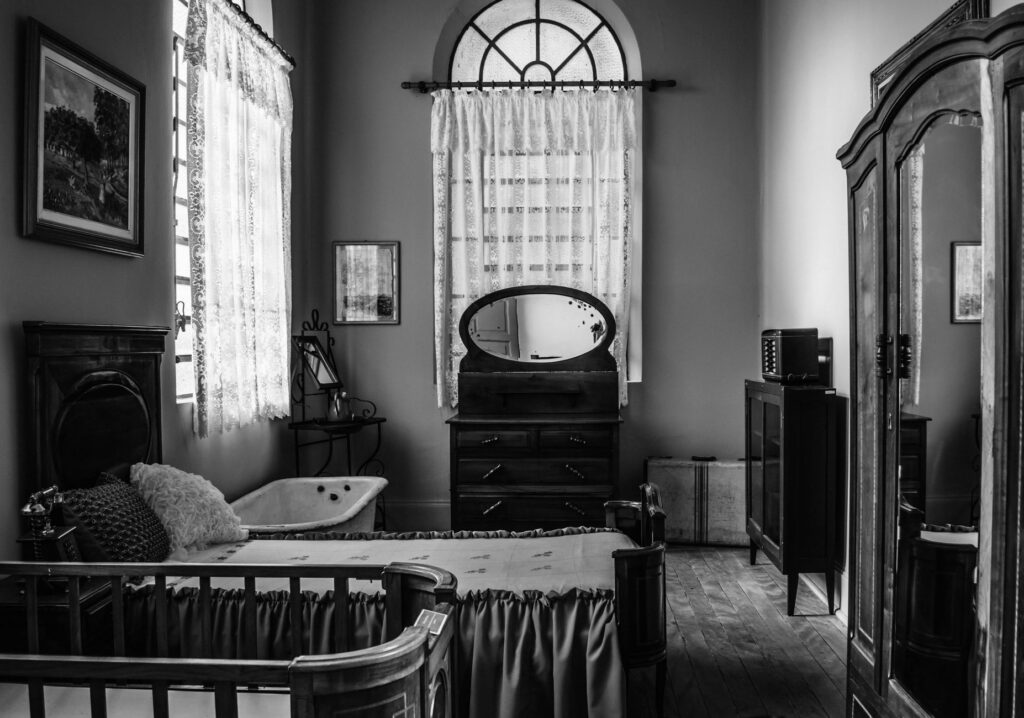
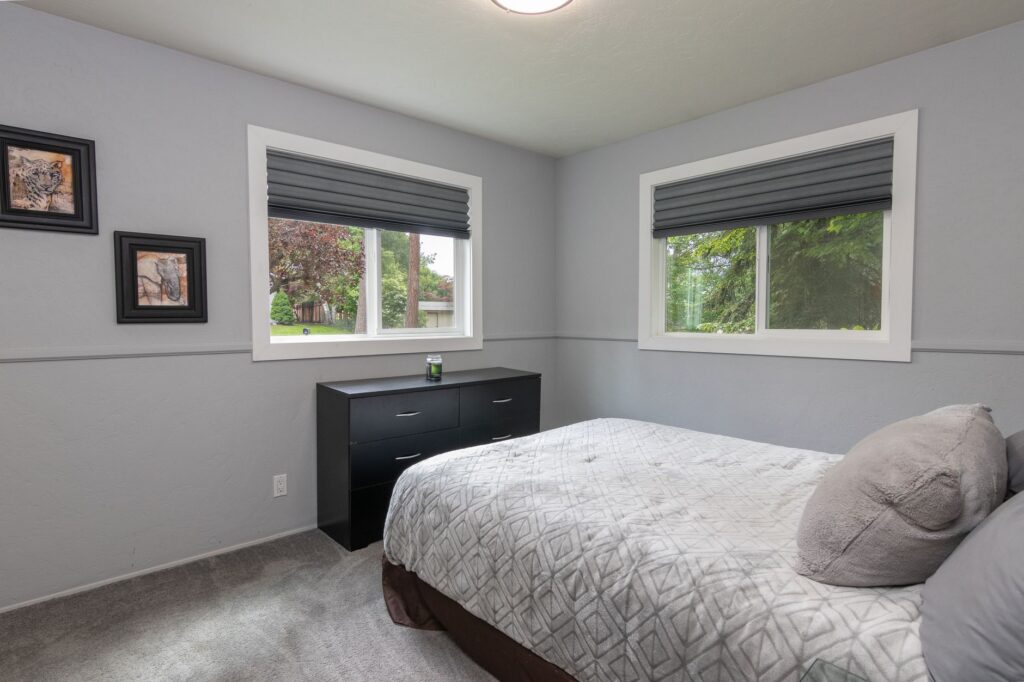
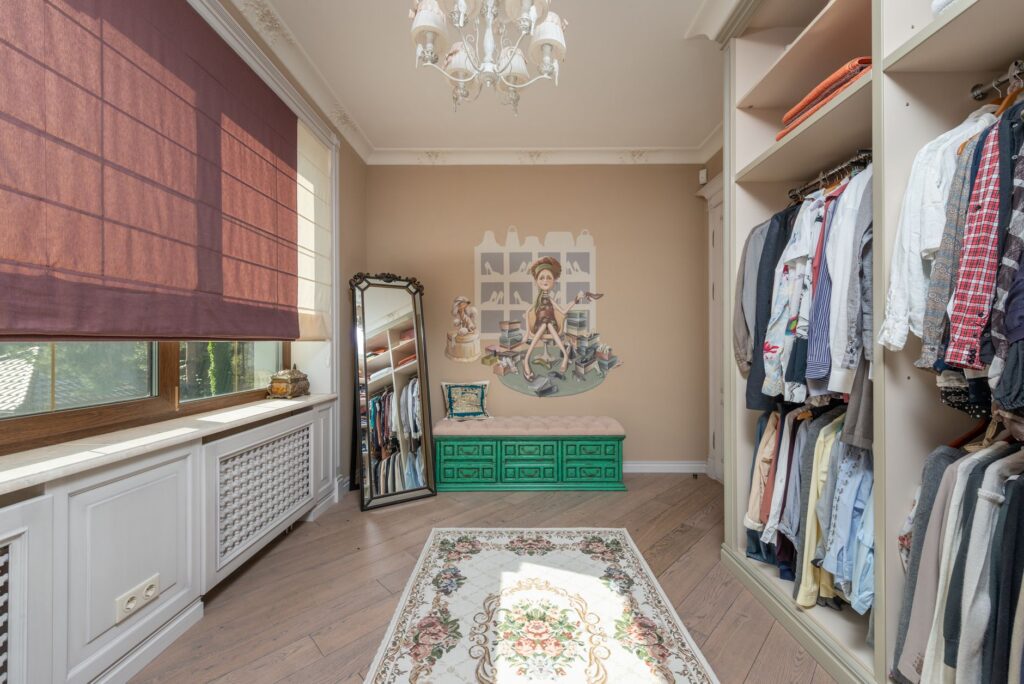
If your bedroom feels a little tired or you’re ready to refresh your most personal space, you’re not alone. The bedroom trends emerging for 2026 lean into warmth, authenticity, and a sense of retreat—think less stark minimalism and more layered, inviting spaces that actually feel like you. These aren’t fleeting Instagram moments; they’re thoughtful design choices that can make your bedroom more comfortable and genuinely yours.
Curved Furniture That Softens the Space
Sharp edges are taking a back seat to furniture with gentle curves and rounded silhouettes. Upholstered headboards with arched tops, curved nightstands, and rounded dressers create visual flow and make bedrooms feel more welcoming. This isn’t about going full retro—it’s a modern softness that works especially well in smaller bedrooms where hard angles can feel cramped.
Look for upholstered bed frames with subtle curves starting around $400 for budget options, while statement pieces in performance velvet or bouclé run $1,200-$2,500. Curved nightstands in wood or cane typically range from $250-$600 each. The beauty of this trend is that even one curved piece—like an arched mirror or rounded bench at the foot of the bed—can shift the entire feel of your room without a complete overhaul.
Earthy, Textured Materials Over Sleek Finishes
Glossy surfaces and ultra-smooth finishes are giving way to materials that feel more grounded and tactile. Think raw linen bedding, chunky handwoven throws, natural jute rugs, and furniture in reclaimed wood or travertine-look finishes. Rattan and cane details on headboards and nightstands add warmth without feeling too casual or beachy.
The shift here is about creating sensory richness—your bedroom should invite touch. Layer different textures rather than matching everything perfectly. Pair a linen duvet cover ($80-$200) with a cotton waffle blanket and a vintage-inspired quilt. Choose nightstands with wood grain you can see and feel rather than lacquered surfaces. Even budget-friendly pieces in mango wood or acacia (starting around $200) bring more character than laminate ever will.
Warm, Complex Color Palettes
Cool grays and stark whites are fading in favor of warmer, more nuanced colors. We’re seeing terracotta, sage green, warm taupe, clay pink, and deep rust tones showing up in bedding, upholstered headboards, and accent walls. These aren’t loud or trendy colors—they’re earthy, sophisticated shades that create actual coziness.
If painting feels like too much commitment, bring these colors in through textiles and smaller furniture pieces. An upholstered bench in burnt orange ($200-$500) or a sage green linen headboard ($300-$900) can anchor your entire color scheme. Bedding in these warm neutrals typically runs $100-$300 for quality sets, and they’re much easier to live with long-term than stark white, which shows every speck of dirt.
Thoughtful Lighting Layers
The single overhead light fixture is no longer enough. Bedrooms in 2026 embrace multiple light sources at different heights—table lamps, wall sconces, pendant lights flanking the bed, and even LED strips for subtle ambient glow. The goal is to create options for different moods rather than one-size-fits-all brightness.
Swing-arm wall sconces ($100-$400 per pair) mounted beside the bed free up nightstand space and provide perfect reading light. Dimmer switches (a $50-$150 installation) make any fixture more versatile. Look for warm-toned bulbs (2700K) rather than harsh white light—your bedroom should never feel like an office. Budget for at least three light sources in a standard bedroom, with a mix of task and ambient lighting.
These trends work because they prioritize comfort and authenticity over showroom perfection. Your bedroom should feel like a refuge, and these design directions—soft curves, natural textures, warm colors, and thoughtful lighting—all support that goal. Start with whichever element speaks to you most, whether that’s swapping your bedding for warmer tones or adding one beautifully curved piece of furniture. Small, intentional changes often make the biggest difference in how a room actually feels to live in.
Shopping for a dresser for your child’s room feels different than buying one for yourself. You’re not just thinking about today—you’re wondering if it’ll survive the toddler years, hold up through elementary school, and maybe even make it to the teenage bedroom. The good news? With the right approach, you can find a dresser that […]
You’ve found the perfect bed frame, but now your old dresser looks completely out of place. Or maybe you’re starting fresh and wondering whether you need to buy a matching bedroom set. The truth is, coordinating your dresser and bed frame isn’t about finding exact matches—it’s about creating visual harmony through smart choices about style, […]
Adding a dresser to your walk-in closet can transform it from a simple hanging space into a fully functional dressing room. But unlike choosing a dresser for your bedroom, closet dressers have different requirements—they need to fit within existing dimensions, complement built-in systems, and maximize storage without creating obstacles. Whether you’re designing a new closet […]