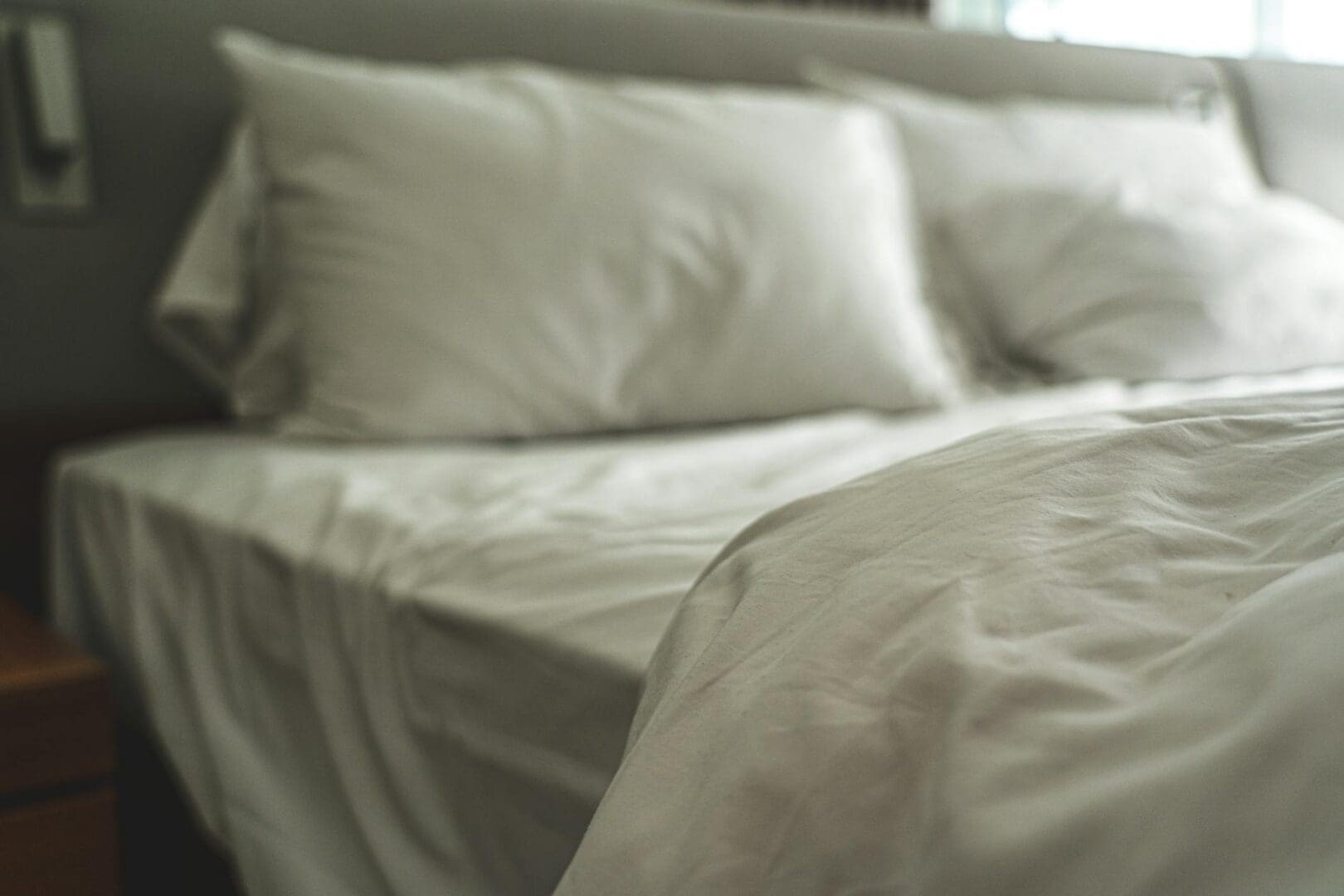
Shopping for bed linens shouldn’t feel like decoding a secret language, but here we are—staring at labels boasting astronomical thread counts and unfamiliar fabric names. The truth is, that 1,200-thread-count set isn’t necessarily better than the 400-count option, and the most expensive sheets won’t guarantee the best sleep of your life. Let’s cut through the marketing speak and focus on what actually matters when you’re choosing bedding.
Thread Count: The Most Misunderstood Number in Bedding
Thread count measures how many threads are woven into one square inch of fabric. For years, manufacturers have treated it like a quality Olympics, but the sweet spot is actually 200-400 for most quality sheets. Beyond that, you’re often paying for clever marketing rather than better sleep.
Here’s why: to achieve those eye-popping numbers like 1,000+, manufacturers often use multi-ply threads (basically twisting multiple thin threads together and counting them separately). This creates heavier, less breathable fabric that can actually feel less soft than a well-made 300-thread-count sheet.
What to look for instead: A thread count between 200-400 made with quality materials and a tight, even weave. The fiber quality and weave type matter far more than hitting a specific number. If a set advertises anything above 600, dig deeper into what kind of threads they’re using—single-ply is what you want.
Material Matters More Than You Think
The fabric your sheets are made from affects everything: how they feel, how they regulate temperature, how long they last, and whether you’ll actually want to make your bed each morning.
Cotton remains the gold standard for most sleepers. Egyptian and Pima cotton have longer fibers (called staples), which creates softer, more durable sheets. Regular cotton works perfectly fine too, especially if it’s combed or has a quality weave. Organic cotton offers the same comfort with more sustainable production practices.
Linen is having a moment, and for good reason. It’s naturally breathable, gets softer with every wash, and has that effortlessly rumpled look that either delights you or drives you crazy. Linen works beautifully for hot sleepers but comes with a higher price tag—expect $150-300 for a quality set.
Bamboo and Tencel are silky-smooth and moisture-wicking, ideal if you tend to overheat at night. They’re also more eco-friendly than conventional cotton, though processing methods vary.
Microfiber is the budget-friendly option ($30-60 for a set), made from polyester. It’s wrinkle-resistant and soft, but won’t breathe as well as natural fibers. Great for guest rooms or kids’ beds where durability matters more than luxury.
Weave Types and What They Mean for Your Sleep
How threads are woven together changes the entire feel and performance of your sheets.
Percale is a tight, plain weave that feels crisp and cool—think classic hotel sheets. It’s breathable and gets softer over time without getting limp. Perfect for hot sleepers or anyone who loves that fresh-from-the-hotel feeling.
Sateen has a silky, lustrous feel thanks to a special weave that exposes more thread surface. It drapes beautifully and feels luxurious, but traps more heat than percale. Better for cooler months or cold sleepers.
Jersey is basically t-shirt material—stretchy, cozy, and casual. It’s forgiving on the bed and rarely wrinkles, making it great for everyday use.
Flannel is brushed for softness and warmth. It’s seasonal bedding for most people, though some cold sleepers use it year-round.
Price Ranges and What You Actually Get
Budget sets ($40-80) typically use regular cotton or microfiber with basic construction. They’re fine for guest rooms or while you’re figuring out your preferences, but may pill or thin out within a year or two.
Mid-range options ($80-200) offer better cotton quality, more durable construction, and weaves that hold up to repeated washing. This is where most people find their forever sheets—quality that lasts without the luxury markup.
Luxury bedding ($200-500+) features premium long-staple cotton, linen, or specialty weaves with exceptional durability. The difference is noticeable, but whether it’s worth it depends on your budget and how much time you spend in bed. If quality sleep is your priority and you have the budget, these sets can last 5-10 years with proper care.
Making Your Decision
Start with how you sleep: hot or cold? Then consider your texture preference: crisp or silky? From there, choose a material and weave that matches both needs. A 300-thread-count percale cotton sheet will outperform a 1,000-thread-count sateen polyester blend for most people, and probably cost less too.
Your sheets should make climbing into bed the best part of your day. Focus on quality materials and construction over marketing numbers, and you’ll find bedding that actually delivers on the promise of better sleep.
You need more storage in your living room, but a bulky bookcase feels too heavy and floating shelves aren’t cutting it. A credenza might be exactly what you’re looking for—it’s that low-profile cabinet that gives you tons of hidden storage while creating a beautiful surface for lamps, plants, and the things you actually want to […]
If you’ve been hitting snooze repeatedly or dragging yourself out of bed feeling groggy, you’re not alone. Waking up to a jarring alarm in a dark room works against your body’s natural rhythms, especially during winter months. A sunrise alarm clock mimics natural dawn, gradually filling your room with light to ease you awake. But […]
Waking up at 3 a.m. with a sweaty neck and flipping your pillow to the cool side for the fourth time isn’t just annoying—it’s robbing you of quality sleep. If you’re a hot sleeper, your pillow might be trapping heat against your head and neck all night long. The good news? The right cooling pillow […]