Living with low ceilings doesn’t mean sacrificing style or comfort in your bedroom. The right bed frame can actually make your space feel larger and more open, while the wrong choice can turn a cozy room into a cramped cave. If you’ve ever felt like your bedroom ceiling is closing in on you, the height and style of your bed frame is likely the culprit.
Why Bed Frame Height Matters More Than You Think
In a room with standard 8-foot ceilings or lower, every inch of vertical space affects how the room feels. A traditional bed frame sits anywhere from 25 to 36 inches off the ground when you factor in the frame, box spring, and mattress. But in a low-ceiling room, this setup can make the ceiling feel oppressively close when you’re sitting up in bed.
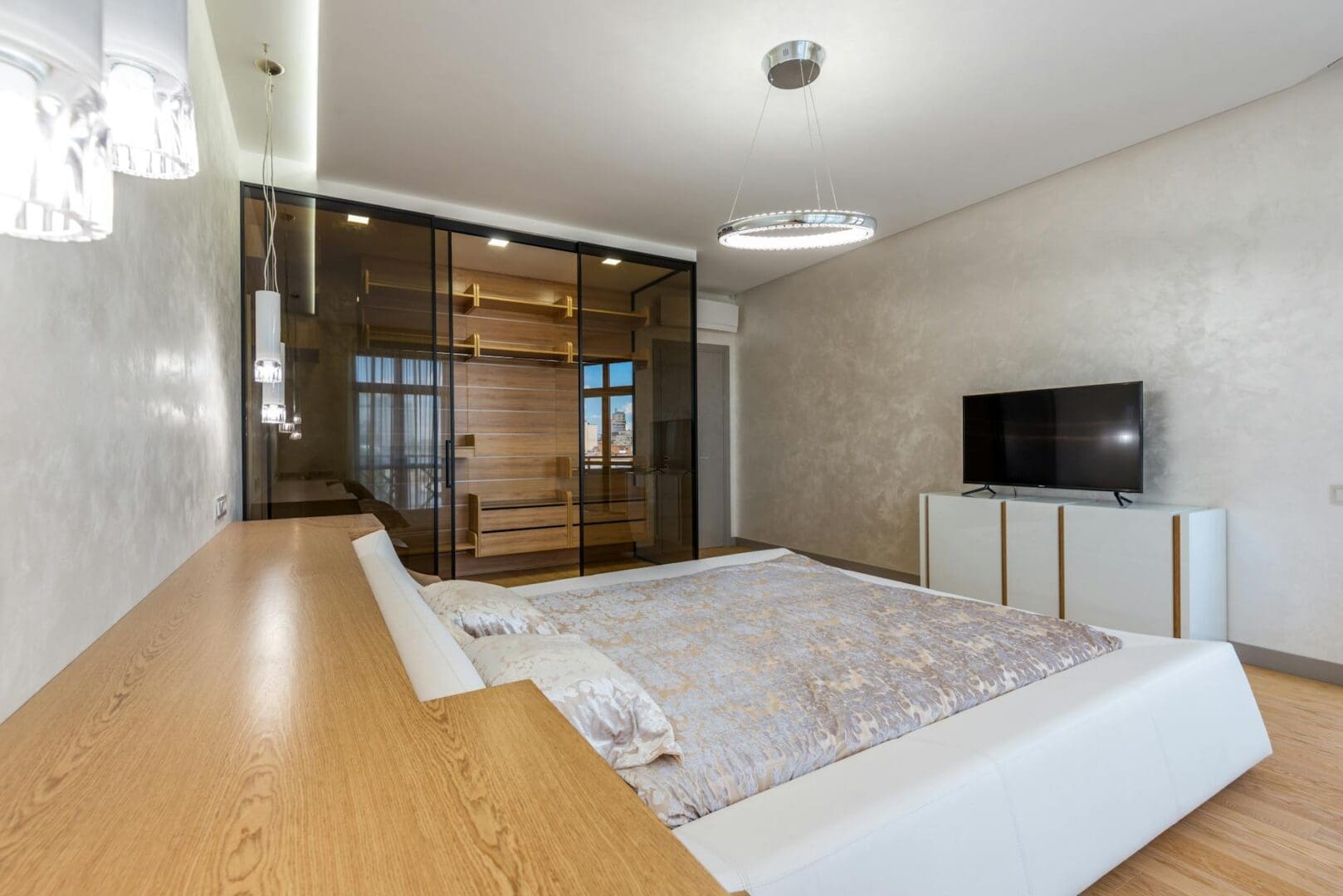
The sweet spot for low-ceiling bedrooms is keeping your total bed height (frame plus mattress) between 18 and 24 inches from the floor. This lower profile creates more visual breathing room between you and the ceiling, making the entire space feel more open. Platform beds and low-profile frames are your best friends here.
When shopping, look for frames specifically labeled as “low profile” or “platform style.” These typically sit 5 to 12 inches off the ground and don’t require a box spring, which immediately saves you 7 to 9 inches of height. Budget-friendly options start around $150, while solid wood platform frames run $400 to $800, and designer pieces can reach $1,200 or more.
Frame Styles That Open Up Your Space
Not all bed frame styles work equally well in low-ceiling rooms. Platform beds are your go-to choice because they sit close to the ground and often have clean, horizontal lines that draw the eye across the room rather than up toward the ceiling. Japanese-inspired frames and mid-century modern designs excel in these spaces.
Skip the tall upholstered headboards and four-poster beds unless you truly love them—these vertical elements emphasize the ceiling height. If you do want a headboard, choose one that’s low and wide rather than tall and narrow, ideally no more than 40 inches from the floor. Wall-mounted headboards are even better since they don’t add height to your sleeping surface.
Metal frames with exposed legs can also work beautifully because they create visual lightness. The space underneath makes the bed appear to float, which tricks the eye into perceiving more room. Look for frames with legs no higher than 8 inches and an open, minimal design.
Material and Color Considerations
The material and finish of your bed frame affect how much visual weight it carries in your space. Light-colored woods like oak, ash, or maple reflect more light and make rooms feel airier. If you prefer darker woods, opt for frames with sleeker profiles to avoid overwhelming the space.
Upholstered frames in light or neutral fabrics work well, but avoid tufted or overly bulky designs. A simple upholstered platform in linen or a light gray fabric adds softness without visual heaviness. Metal frames in brass, gold, or white finishes can also brighten a room while maintaining that low profile you need.
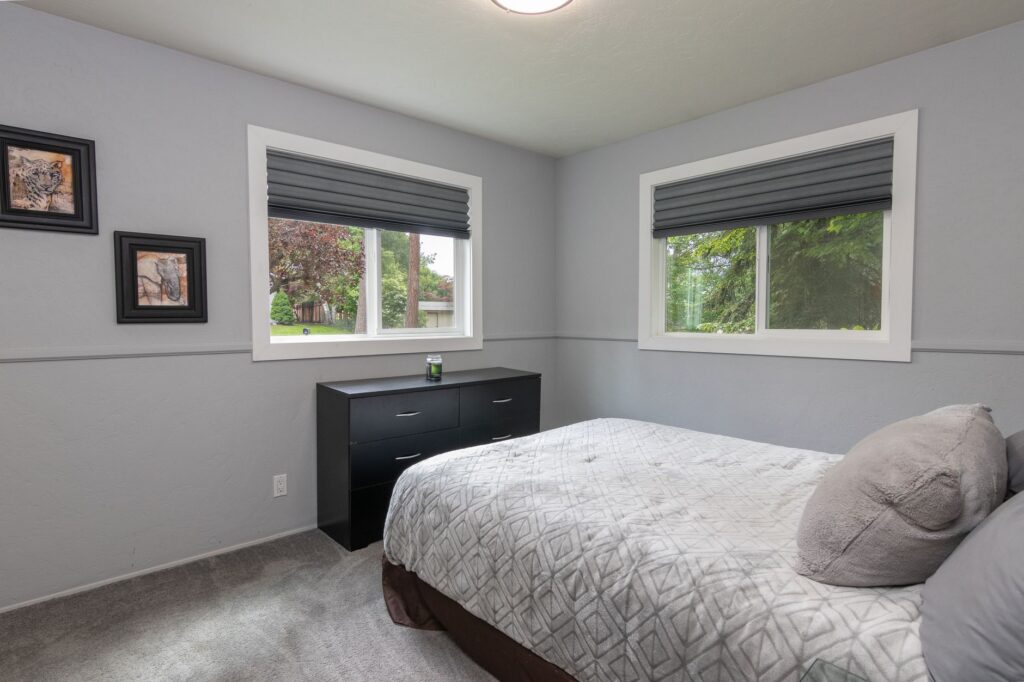
Avoid chunky, dark frames with heavy detailing—they’ll anchor your eye downward and make the ceiling feel even lower by comparison. The goal is to keep things light and streamlined.
Storage Solutions Without the Height
You might worry that choosing a low bed frame means losing storage space, but plenty of low-profile options include built-in storage. Look for platform beds with drawers that slide out from the base—they typically add only 1 to 2 inches to the frame height. Hydraulic lift storage beds are another option, though they do sit slightly higher, usually around 14 to 16 inches.
If storage isn’t essential, consider the benefits of that open space under a minimalist platform bed. You can tuck low-profile bins or baskets underneath as needed, and the visible floor space actually makes your room feel larger.
Choosing a bed frame for a low-ceiling bedroom is all about creating visual balance. Stick with low-profile or platform styles, keep your total bed height under 24 inches, and opt for lighter colors and streamlined designs. Your bedroom will feel more spacious and inviting, and you’ll stop feeling like the ceiling is hovering over you. The right frame is out there—now you know exactly what to look for.
Shopping for a dresser for your child’s room feels different than buying one for yourself. You’re not just thinking about today—you’re wondering if it’ll survive the toddler years, hold up through elementary school, and maybe even make it to the teenage bedroom. The good news? With the right approach, you can find a dresser that […]
You’ve found the perfect bed frame, but now your old dresser looks completely out of place. Or maybe you’re starting fresh and wondering whether you need to buy a matching bedroom set. The truth is, coordinating your dresser and bed frame isn’t about finding exact matches—it’s about creating visual harmony through smart choices about style, […]
Adding a dresser to your walk-in closet can transform it from a simple hanging space into a fully functional dressing room. But unlike choosing a dresser for your bedroom, closet dressers have different requirements—they need to fit within existing dimensions, complement built-in systems, and maximize storage without creating obstacles. Whether you’re designing a new closet […]