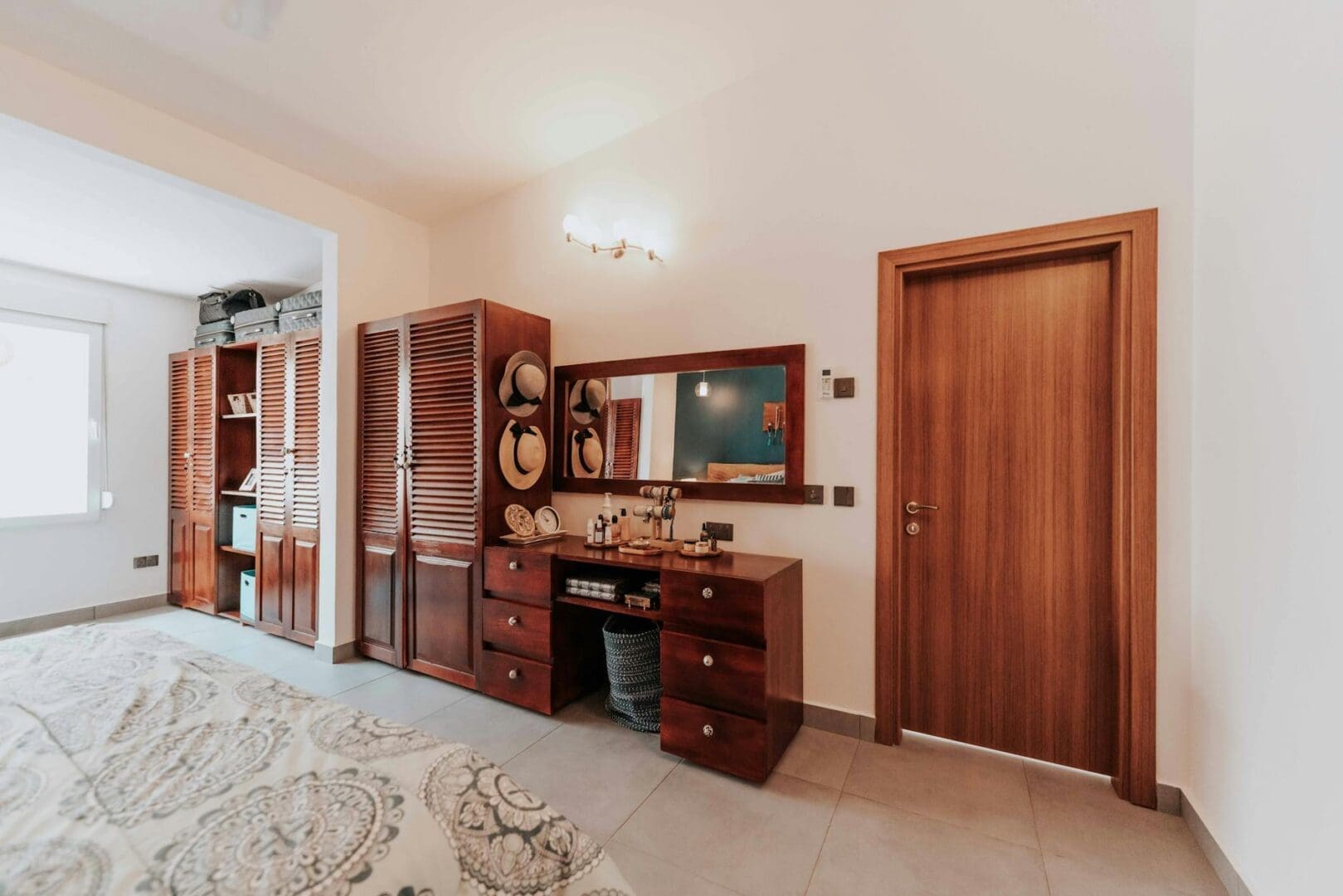
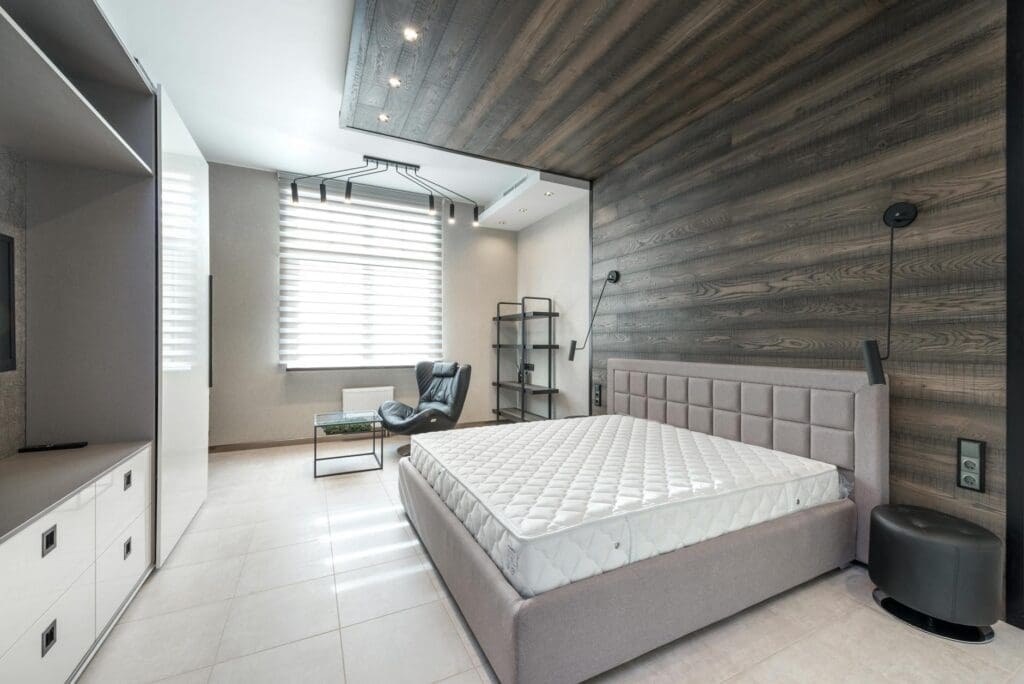
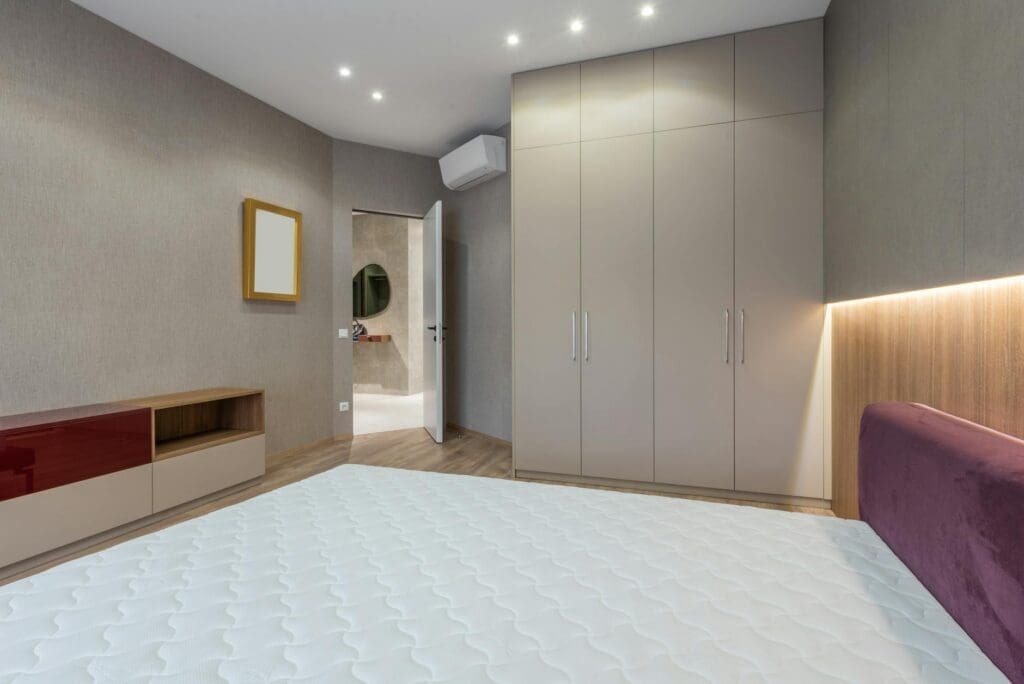
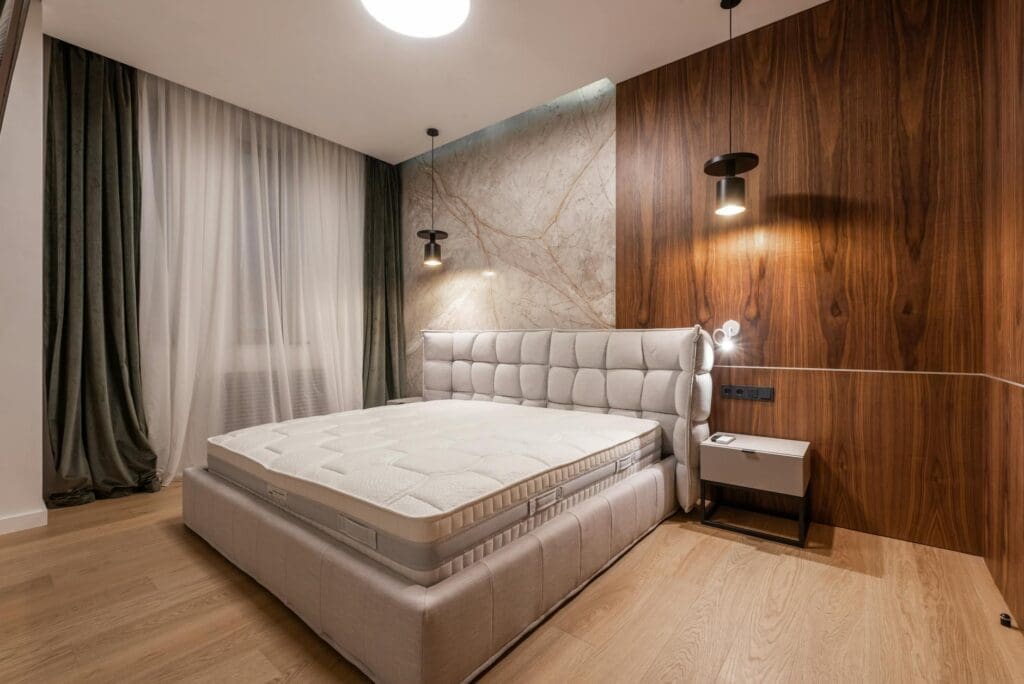
Finding the right dresser isn’t just about picking something pretty—it’s about finding a piece that works with your room’s layout, holds everything you need, and doesn’t make your space feel cramped. Whether you’re furnishing a cozy bedroom or a spacious master suite, here’s how to choose a dresser that actually fits.
Start With Your Space (Literally Measure It)
Before you fall in love with anything online, grab a tape measure. You’ll want to know three things: how much floor space you have, how much wall space is available, and what clearance you need for drawers to open fully.
For drawer clearance, add at least 3 feet in front of where your dresser will sit. Nothing’s more frustrating than a dresser that blocks your closet door or forces you to shimmy sideways to get dressed. Measure the height of your space too, especially if you’re placing the dresser under a window or wall-mounted TV.
Standard dressers are typically 30-40 inches tall and 50-70 inches wide, but you’ll find plenty of variation. A vertical chest of drawers (sometimes called a tallboy) works beautifully in tight spaces, usually measuring 48-60 inches tall but only 30-36 inches wide. Horizontal dressers offer more surface area for styling but need more wall space.
Match the Dresser Type to What You’re Storing
Think about what you’re actually putting in this dresser. If you’re folding sweaters and jeans, you need different storage than someone organizing lingerie and accessories.
Double dressers (those wide ones with 6-9 drawers) work well for couples sharing a bedroom or anyone with an extensive wardrobe. They typically range from $400-$1,500 depending on materials and construction. Single dressers with 3-6 drawers suit smaller spaces and cost anywhere from $250-$800.
Pay attention to drawer depth and dividers. Shallow top drawers (around 4-6 inches deep) are perfect for accessories, while deeper drawers (10-12 inches) handle bulkier items. Some dressers include felt-lined jewelry drawers or cedar-lined compartments—nice features if you’re storing delicates or wool items.
Combo dressers pair regular drawers with a cabinet section, which is handy if you want to hide away shoes or bags. These typically fall in the $500-$1,200 range for solid options.
Pick Materials That Match Your Lifestyle
Solid wood dressers—oak, maple, walnut—are investment pieces that can last decades. They typically start around $800 and climb quickly, but the durability and timeless look often justify the cost. Engineered wood (MDF or particleboard with veneer) keeps prices reasonable, usually $200-$600, and modern manufacturing means many look quite good. Just check that drawer boxes are solid wood even if the exterior is veneer, as this affects longevity.
Dovetail joints in the drawers are the gold standard for construction—they interlock and hold up to years of use. Ball-bearing drawer glides make opening and closing smooth, even when drawers are fully loaded. These details matter more than you’d think after a few years of daily use.
Metal and mixed-material dressers bring an industrial or modern edge to your space. They’re often lighter weight, which is helpful if you move frequently or need to rearrange often.
Style It to Your Room, Not Against It
Your dresser should feel like it belongs. In a traditional bedroom with ornate molding and classic furniture, a sleek mid-century dresser might look out of place. Conversely, an ornately carved dresser can overwhelm a minimalist space.
Consider the finish and hardware. Dark wood adds warmth but can make small rooms feel heavier. Light or white finishes keep things airy. Hardware seems minor until you realize you’ll be touching those handles multiple times daily—make sure you like them.
If your dresser will be visible from other rooms or serves double duty (maybe it’s facing your bed and holding your TV), think about the back finish too. Some dressers are finished on all sides, others aren’t.
The right dresser balances your storage needs with your space constraints and personal style. Measure carefully, think about what you’re storing, choose quality construction within your budget, and pick a style that complements your room. Once you know these parameters, you’ll be able to spot the right piece quickly—and actually enjoy using it every day.
If you’ve been tossing and turning on an old mattress, you already know it’s time for a change. But walk into any mattress store or browse online, and you’re immediately hit with the big question: memory foam or innerspring? Both have passionate fans, and honestly, both can give you great sleep. The real answer depends […]
You’re shopping for a mattress online, and every product description mentions firmness: “medium-firm,” “plush,” “extra-firm.” But what do these terms actually mean for your sleep? The frustrating truth is that mattress firmness isn’t standardized across brands, which makes comparing options genuinely confusing. One company’s “medium” might feel like another’s “firm.” Let’s break down what firmness […]
If you weigh over 230 pounds, you’ve probably experienced the frustration of a mattress that sags within a year, leaves you waking up with back pain, or feels like you’re sleeping in a hammock. The truth is, most standard mattresses aren’t built with heavier bodies in mind. But the right mattress can give you the […]