An upholstered bed frame can completely transform your bedroom, adding softness, texture, and that hotel-luxe feeling we all crave. But with so many options—from linen to velvet, tufted to channel-stitched, platform to traditional—it’s easy to feel overwhelmed. The good news? Once you know what to look for, choosing the right upholstered bed becomes much more straightforward.
Fabric Choice: Balancing Style With Real Life
The fabric you choose will determine both how your bed looks and how well it holds up over time. Linen and cotton blends offer a relaxed, casual vibe and tend to be more breathable—ideal if you live in a warmer climate. They’re also generally easier to spot-clean, though they may wrinkle more easily than other options.
Velvet has become incredibly popular for its rich texture and depth of color, but it’s worth noting that some velvet upholstery can show wear patterns or watermarks. Look for performance velvet if you have pets or kids. Performance fabrics are treated to resist stains and moisture, making them a smart choice for high-traffic bedrooms.
Leather and faux leather bring a more modern or masculine aesthetic and are the easiest to wipe down. Budget-wise, expect cotton and linen blends to start around $400-600 for a queen, while quality velvet options typically range from $800-1,500, and genuine leather frames often exceed $2,000.
Headboard Style and Height Considerations
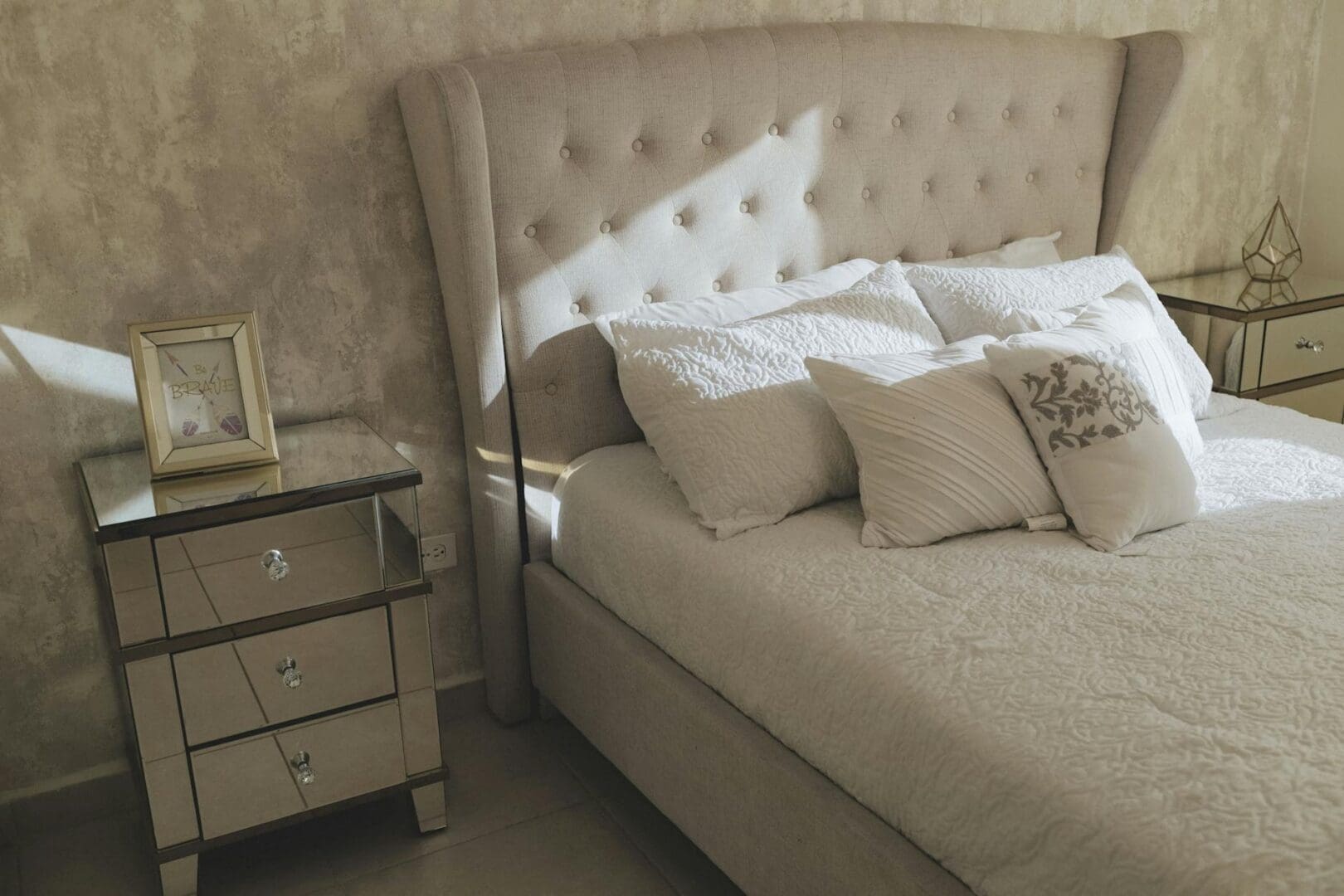
The headboard is the focal point of any upholstered bed, so think about both aesthetics and function. Tufted headboards—with their button detailing—add classic elegance and work beautifully in traditional or glam spaces. Channel-tufted or vertical channeling offers a more contemporary look that’s having a moment right now.
Wingback styles provide a cozy, enclosed feeling and can help anchor the bed in a large room. Simple panel headboards are your most versatile option, working across nearly any decor style from minimalist to farmhouse.
Height matters more than you might think. A tall headboard (55-60 inches from the floor) makes a dramatic statement and works well in rooms with high ceilings, but can overwhelm smaller spaces. Standard heights of 48-52 inches suit most bedrooms. If you like to read in bed, make sure the headboard provides enough cushioning and rises high enough to support your back comfortably.
Frame Construction: What’s Underneath Matters
A beautiful exterior means nothing if the frame isn’t solid. Look for hardwood or engineered wood frames rather than particleboard—they’ll last significantly longer and handle weight better. Many quality upholstered beds use a combination of solid wood framing with plywood decking.
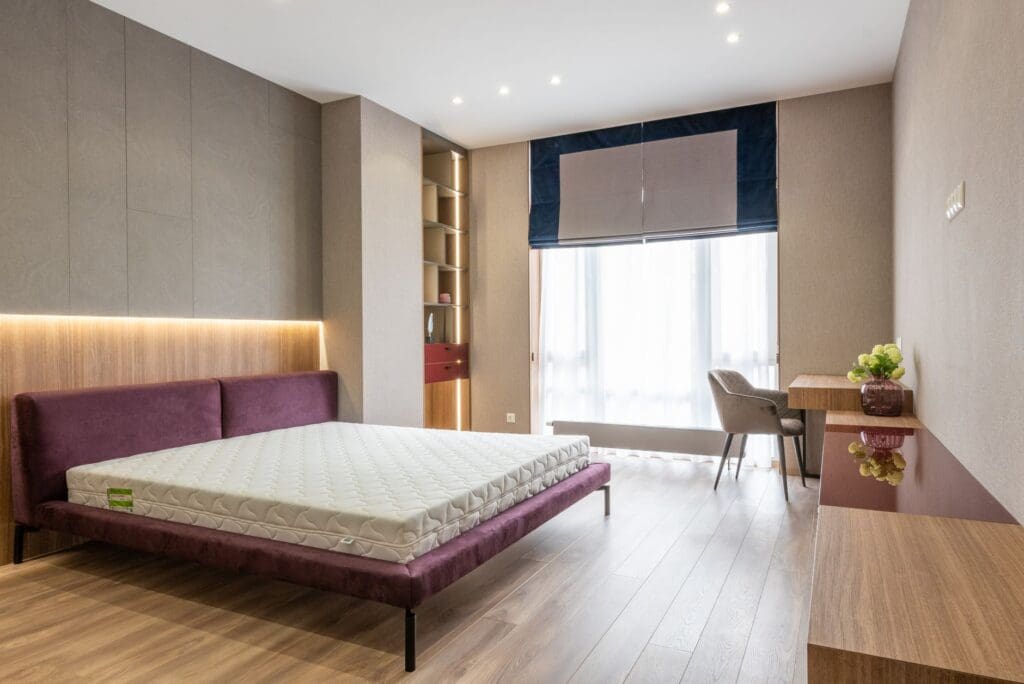
Check whether the bed requires a box spring or includes slat support. Platform-style upholstered beds have built-in slat systems, which means you can place your mattress directly on the frame. This not only saves you the cost of a box spring (typically $150-300) but also gives the bed a lower, more modern profile.
Pay attention to weight capacity, especially for larger mattress sizes. A well-constructed queen frame should support at least 500-600 pounds. Also consider storage options—some upholstered frames include lift-up storage or drawers, which can be invaluable in smaller homes.
Practical Details That Impact Daily Use
Assembly is worth considering before you buy. Some upholstered beds arrive fully assembled (just attach the headboard), while others require significant setup. Read reviews to gauge how complicated assembly is and whether the included hardware is adequate.
Think about cleaning and maintenance. Beds with removable, washable covers (usually zippered) are rare but incredibly practical. Most upholstered beds require regular vacuuming with an upholstery attachment and immediate spot-cleaning of spills. Darker colors and patterns naturally hide wear better than light neutrals.
Finally, consider the bed’s footprint. Some upholstered frames have thick side rails that make the bed wider and longer than a standard frame. Measure your space carefully, leaving room for nightstands and easy movement around the bed.
Choosing an upholstered bed frame is about finding the sweet spot between the look you love and the durability you need. Focus on quality construction first, then select a fabric and style that fits your lifestyle and bedroom aesthetic. When you find that combination, you’ll have a bed that makes you happy to walk into your room every single day.
You’ve narrowed your mattress search to latex—smart choice. Latex mattresses are known for their durability, support, and that distinctive responsive feel that’s neither memory foam nor traditional innerspring. But now you’re facing another decision: natural, synthetic, or blended latex? The price difference can be significant, and you want to make sure you’re getting what you’re […]
Shopping for a bunk bed mattress isn’t quite the same as choosing one for a standard bed frame. The biggest difference? Safety requirements. The wrong mattress thickness can create a dangerous gap between the sleeping surface and the guardrails, and not every mattress type holds up well on a slatted bunk bed platform. Here’s what […]
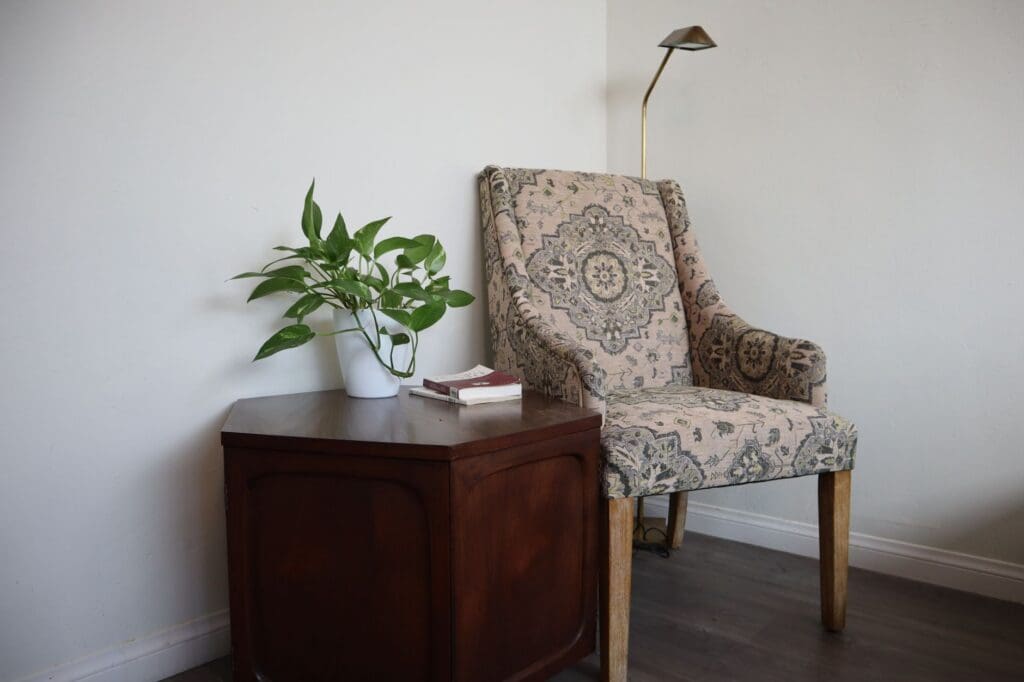
That empty corner in your bedroom has potential. You walk past it every day thinking it could be something more—a spot to read before bed, sip your morning coffee, or just escape for a few quiet minutes. A reading chair can transform that awkward space into your favorite corner of the house, but only if […]