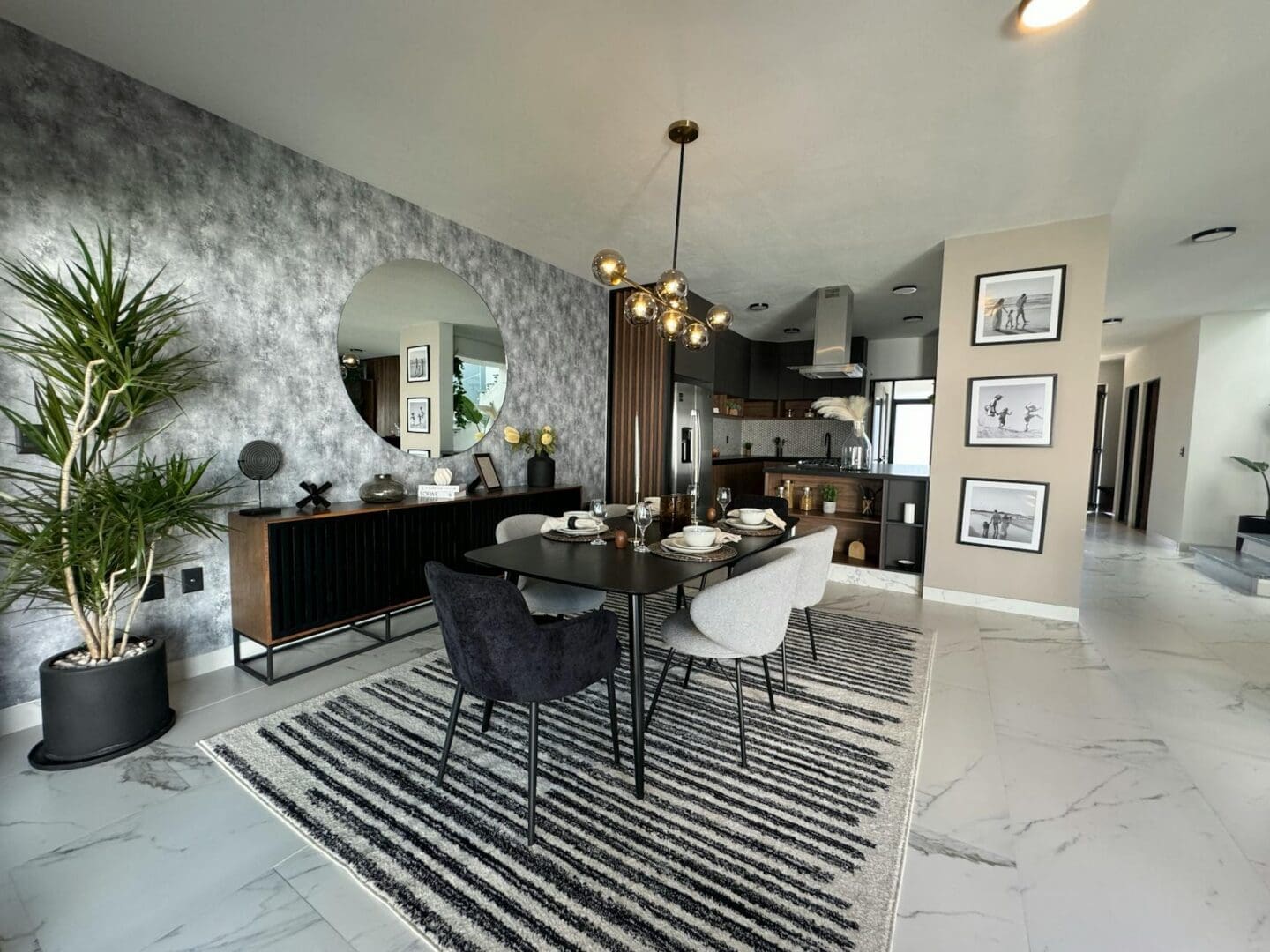
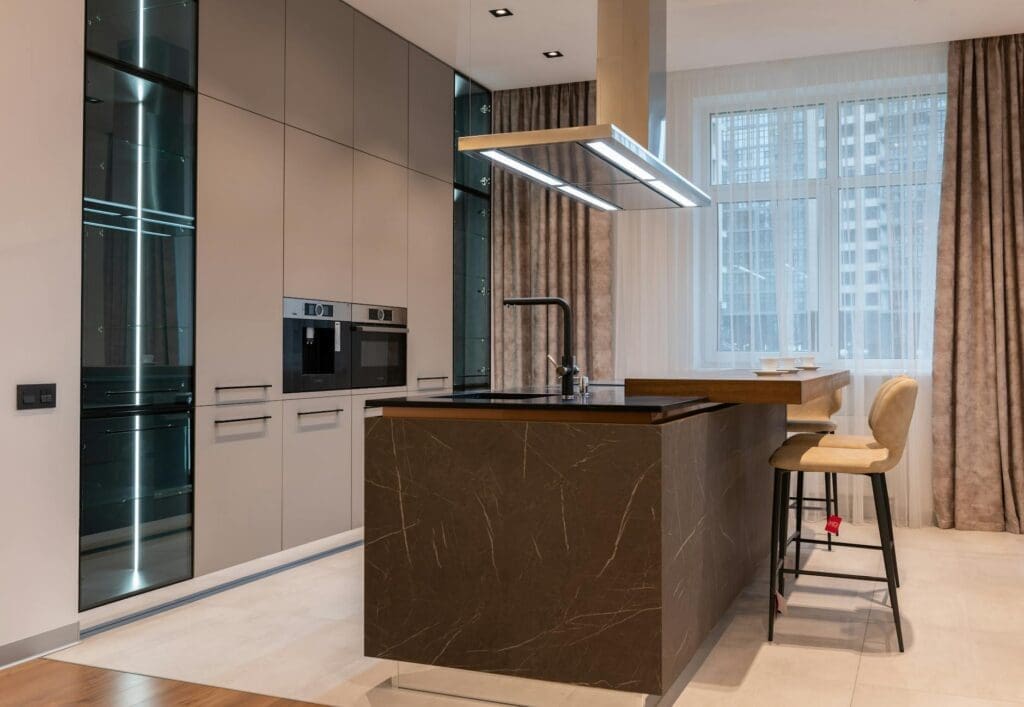
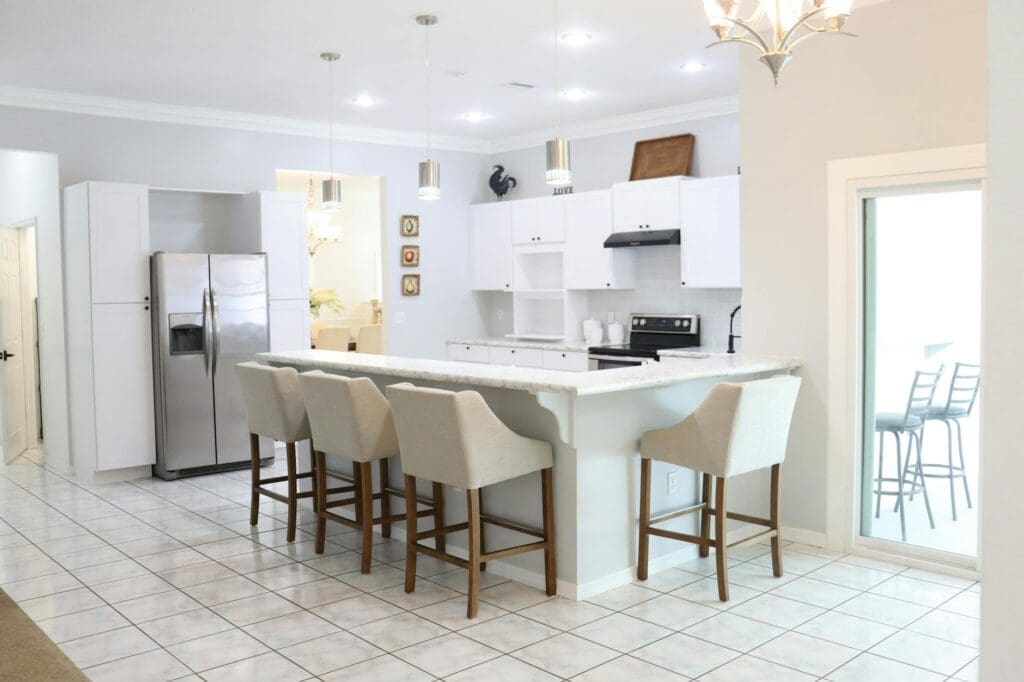
Running out of cabinet space in your kitchen? You’re not alone. Whether you’re drowning in small appliances, need a better spot for your serving dishes, or just want easy access to your favorite cookbooks, a sideboard can be exactly what your kitchen needs. Originally designed for dining rooms, these versatile pieces have become kitchen workhorses—offering storage, serving space, and style all in one.
Measuring Your Space (and Your Needs)
Before you fall in love with a beautiful piece, get realistic about your space. Measure the wall or area where you’re planning to put your sideboard, and don’t forget to account for door clearances and traffic flow. A good rule of thumb: leave at least 36 inches of walkway space so you’re not doing a sideways shuffle every time someone opens the refrigerator.
Standard sideboards range from 48 to 72 inches wide, though you can find compact options around 36 inches for tighter spaces. Height matters too—most fall between 32 and 36 inches tall, which puts the top surface at a comfortable height for serving or prepping. Depth typically runs 16 to 20 inches, shallow enough to fit against a wall without eating up your whole kitchen.
Think about what you’re actually storing. Bulky items like stand mixers and slow cookers need deeper shelves (at least 16 inches) and taller cabinets. If you’re mainly storing flatware, linens, or dishes, you can get away with shallower drawers and shorter interior spaces.
Storage Configuration That Actually Works
This is where sideboards really differ, and getting it right makes all the difference. Look at the interior layout carefully:
Drawers: Perfect for utensils, linens, and smaller items. Felt-lined or divided drawers keep things organized and protect nice pieces
Cabinets with shelves: Great for dishes, serving platters, and appliances. Adjustable shelves give you flexibility as your needs change
Wine storage: Some sideboards include built-in wine racks or stemware holders—handy if you entertain often
Open shelving: Displays cookbooks or pretty dishes, but remember that open storage means more dusting
Combination units with both drawers and cabinets tend to be most practical for kitchen use. You’ll pay around $300-$600 for budget-friendly options with basic storage, $700-$1,500 for solid wood pieces with better drawer glides and more thoughtful interior organization, and $1,500+ for high-end sideboards with features like soft-close hinges and custom finishes.
Materials and Finishes for Kitchen Life
Kitchens are tough on furniture. You need something that can handle the occasional splash, withstand humidity, and clean up easily.
Solid wood sideboards—think oak, walnut, or acacia—are durable and age beautifully, but they come with a higher price tag. Engineered wood with veneer offers a similar look at a more approachable price point, typically starting around $400. Just make sure the finish is sealed properly to resist moisture.
Metal and wood combinations have become popular for modern and industrial kitchens. The metal frames add durability and a contemporary edge, while wood tops provide warmth. These often fall in the $500-$1,200 range.
Pay attention to the finish. Painted surfaces hide fingerprints better than dark stains but may show chips more easily. A satin or matte finish is more forgiving than high gloss in a busy kitchen environment.
Style That Fits Your Kitchen
Your sideboard doesn’t have to match your existing cabinets perfectly—in fact, a complementary piece can add visual interest. That said, it should feel intentional, not random.
Traditional kitchens pair well with classic sideboards featuring raised panel doors and turned legs. Farmhouse styles love distressed finishes and X-braced doors. Modern kitchens call for clean lines, simple hardware, and minimal ornamentation. Mid-century modern pieces with tapered legs and geometric pulls bridge traditional and contemporary surprisingly well.
The hardware matters more than you might think. Swapping out the knobs and pulls is an easy fix, but starting with something you like saves you a project. Brushed nickel and matte black are versatile choices that work across multiple styles.
A sideboard gives you the kitchen storage you’ve been missing without the commitment and cost of a full renovation. Focus on getting the dimensions right, choosing storage that matches what you actually own, and picking materials that can handle daily kitchen life. When you find a piece that checks those boxes and looks good doing it, you’ve found your sideboard.
Shopping for a dining table when you have a family of six means you need something that works for Tuesday night homework sessions, weekend pancake breakfasts, and holiday dinners with grandparents—all without taking over your entire dining room. The right table makes family life easier. The wrong one? You’ll feel it every single day. Let’s […]
Standing in front of your kitchen island or home bar, trying to decide between swivel and stationary bar stools, you’re probably wondering if that rotating seat is worth the extra cost—or if it’s just a gimmick. The truth is, both styles have their place, and the right choice depends on how you actually use your […]
There’s nothing worse than ordering bar stools online, waiting for delivery, and discovering they’re way too tall or awkwardly low for your counter. You’re left hunching over your breakfast or dangling your feet like a kid at the grown-ups’ table. The good news? Getting the right bar stool height is actually straightforward once you know […]