Your dresser top probably tells a story—and if you’re like most people, it’s a chaotic tale of loose change, forgotten receipts, and a jumble of jewelry you meant to put away three days ago. But that horizontal real estate is actually prime styling territory. Whether your dresser lives in your bedroom, hallway, or nursery, learning to style it intentionally transforms it from a cluttered catch-all into a focal point that makes the whole room feel more pulled together.
Start With the Right Foundation Piece
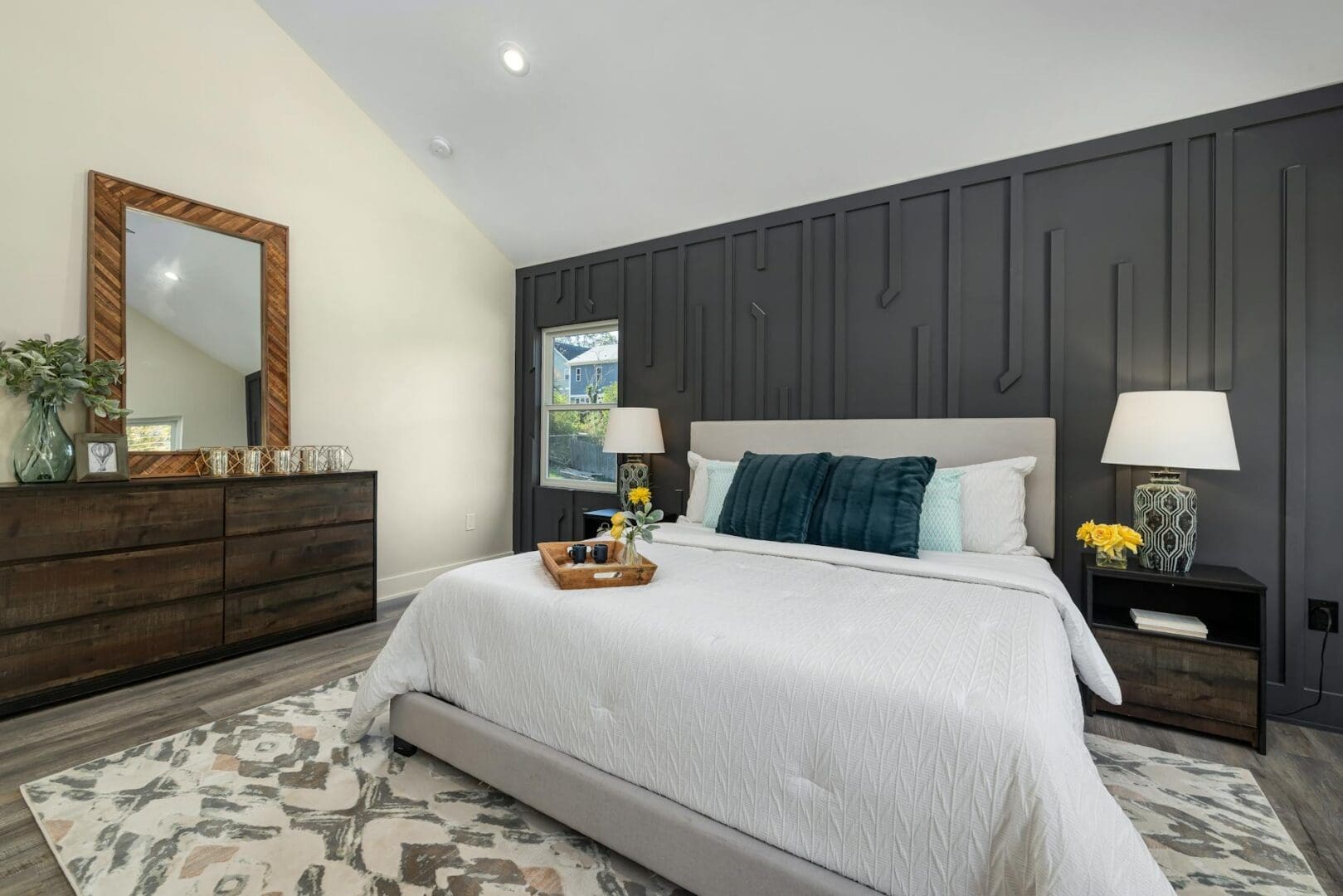
Every well-styled dresser starts with an anchor—a larger piece that grounds your arrangement and gives the eye somewhere to land. This is typically a mirror, piece of art, or large decorative object that sits against the wall.
Mirrors are the most popular choice because they’re functional and reflect light, making your room feel larger. A framed mirror that’s roughly two-thirds the width of your dresser creates ideal proportions. If you go with artwork instead, consider a single large piece or a small gallery wall arrangement mounted directly above the dresser. For a less traditional approach, try leaning a large framed print against the wall—it adds a casual, collected-over-time feel that works especially well in modern spaces.
Budget options like simple frameless mirrors start around $40-60, while statement pieces with decorative frames run $150-400. Whatever you choose, make sure it’s substantial enough to hold its own without overwhelming the dresser width.
Layer in Height With the Rule of Three
Here’s where styling gets fun: creating visual interest through varying heights. The trick is working in odd numbers—typically three or five objects—arranged at different elevations.
Think of it in three height zones: tall, medium, and low. Your tall elements might include a table lamp (which adds function), a vase with branches or flowers, or a tall candlestick. Medium-height pieces could be a stack of books, a small plant, or a decorative box. Low elements anchor the arrangement—think a jewelry dish, small succulent, or a horizontal decorative object like a geode or sculptural piece.
Place your tallest item slightly off-center rather than dead-center on the dresser. This asymmetry feels more natural and sophisticated than a perfectly centered arrangement. If you’re using a lamp, position it where the light will be most useful—usually on the side you approach most often.
Balance Function With Beauty
Your dresser top needs to work for your actual life, not just look camera-ready. The best-styled dressers incorporate everyday items into the design rather than hiding them.
Use beautiful containers to corral the practical stuff. A ceramic or wooden tray ($25-75) can hold your daily jewelry, watch, and wallet while keeping them contained. A decorative bowl becomes both art and a landing spot for keys. If you need storage for hair ties, cotton rounds, or other small items, choose boxes or containers that match your room’s aesthetic—think woven baskets for boho spaces, lacquered boxes for modern rooms, or vintage tins for eclectic styles.
Perfume bottles, if you have attractive ones, actually make great decorative elements. Group three to five bottles together on a small tray to create a mini vignette that’s both functional and stylish. The same goes for a beautiful hand cream or lotion in nice packaging.
Create Cohesion Through Color and Texture
What separates a styled dresser from a messy one often comes down to intentional color choices. Pick two or three colors that appear in your room and let those guide your accessory selections. This doesn’t mean everything matches perfectly—in fact, it shouldn’t—but there should be a thread connecting your choices.
Texture adds depth without visual clutter. Mix materials like wood, ceramic, glass, and metal. A wooden tray, glass vase, ceramic bowl, and metal-framed mirror create more interest than four items all in the same material. Live greenery—whether a small potted plant, succulent, or fresh flowers—adds life and softness to balance harder surfaces.
Keep the scale appropriate to your dresser size. A three-drawer IKEA dresser can’t support the same styling weight as a wide six-drawer piece. When in doubt, edit down. Five thoughtfully chosen pieces always look better than ten random ones.
The real secret to a well-styled dresser isn’t buying more stuff—it’s editing what you have and arranging it with intention. Start with your anchor piece, add varying heights, incorporate what you actually use, and tie it together with consistent colors and mixed textures. Give it a try this weekend, and you might find yourself actually wanting to keep your dresser top clear of clutter. When something looks this good, you’ll think twice before tossing your keys on it.
Shopping for a bunk bed mattress isn’t quite the same as choosing one for a standard bed frame. The biggest difference? Safety requirements. The wrong mattress thickness can create a dangerous gap between the sleeping surface and the guardrails, and not every mattress type holds up well on a slatted bunk bed platform. Here’s what […]
That empty corner in your bedroom has potential. You walk past it every day thinking it could be something more—a spot to read before bed, sip your morning coffee, or just escape for a few quiet minutes. A reading chair can transform that awkward space into your favorite corner of the house, but only if […]
If you’ve been tossing and turning on an old mattress, you already know it’s time for a change. But walk into any mattress store or browse online, and you’re immediately hit with the big question: memory foam or innerspring? Both have passionate fans, and honestly, both can give you great sleep. The real answer depends […]