If you’ve invested in a luxury hybrid, thick memory foam, or pillow-top mattress, you know these beauties can weigh anywhere from 100 to 200+ pounds. Add two adults, and you’re looking at serious weight that not every bed frame can handle. The last thing you want is a creaky frame, sagging slats, or worse—a catastrophic collapse at 2 a.m. Let’s walk through what actually matters when you’re shopping for a frame that can support a heavy mattress without complaint.
Weight Capacity Is Your Starting Point
Most bed frames list a weight capacity in their specifications, and this is where you need to do a little math. Add up your mattress weight, box spring if you’re using one, and the combined weight of everyone who’ll sleep in the bed. Then look for frames rated for at least 500-800 pounds for a queen and 800-1,000+ pounds for a king. Metal platform frames and solid wood frames typically offer the highest capacities, often supporting 1,200 pounds or more. Budget frames—especially those particle board numbers under $200—usually max out around 400-500 pounds, which sounds like a lot until you realize how quickly that adds up with a 150-pound mattress and two people.
Pay special attention to center support. Any quality frame designed for heavier loads will include a center support beam or legs, particularly for queen and king sizes. This isn’t optional—it’s essential for preventing that dreaded dip in the middle of the bed.
Material and Construction Make or Break Durability
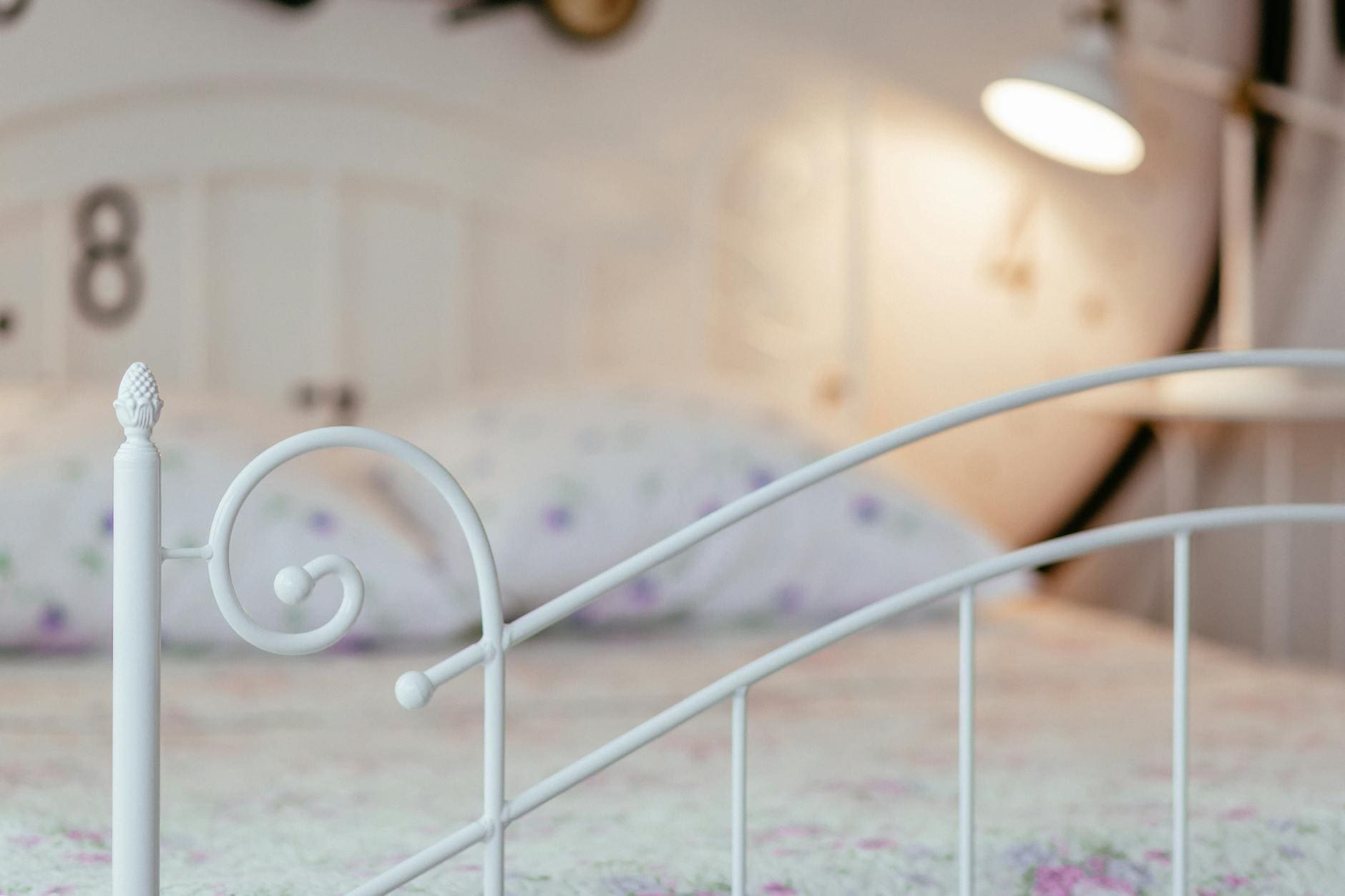
The material your frame is made from directly impacts how well it handles weight over time. Solid wood frames—particularly hardwoods like oak, maple, or walnut—are naturally strong and can easily handle heavy mattresses. Expect to pay $400-$1,200 for quality solid wood construction. Steel and metal frames are equally robust and often more affordable, ranging from $300-$800. Look for frames with thick steel bars (at least 2-3 inches wide) and reinforced corners.
Engineered wood and upholstered frames deserve more scrutiny. Many upholstered frames use a wooden box construction underneath that fabric exterior, and if it’s made from particleboard or lightweight pine, it won’t hold up. Check product descriptions carefully—better upholstered frames will specify solid wood or metal reinforcement in their construction. These mid-range options typically run $500-$1,000.
Welded metal joints are stronger than bolted ones for metal frames, while wooden frames should use mortise-and-tenon joinery or at least substantial bolts—not just corner brackets and hope.
Slat Design and Spacing Matter More Than You Think
The slat system is where many otherwise decent frames fall short. For a heavy mattress, you want slats that are at least 3-4 inches wide and no more than 3-4 inches apart. Thin, widely-spaced slats create pressure points that can damage your mattress and feel unstable. Solid wood slats are generally better than engineered wood, and curved or sprung slats offer extra give and support.
Some heavy-duty frames use a grid system of intersecting metal bars instead of traditional slats—these are excellent for weight distribution. Another solid option is frames with closely-spaced wooden slats (often called European-style slats) that create an almost solid surface. If you’re looking at a platform bed, some include a solid deck instead of slats, which offers maximum support but less breathability for your mattress.
The number of support legs also matters. Budget frames might have just four corner legs, but frames designed for heavy mattresses often include 6-9 legs total to better distribute weight across the floor and frame.
Foundation and Base Compatibility
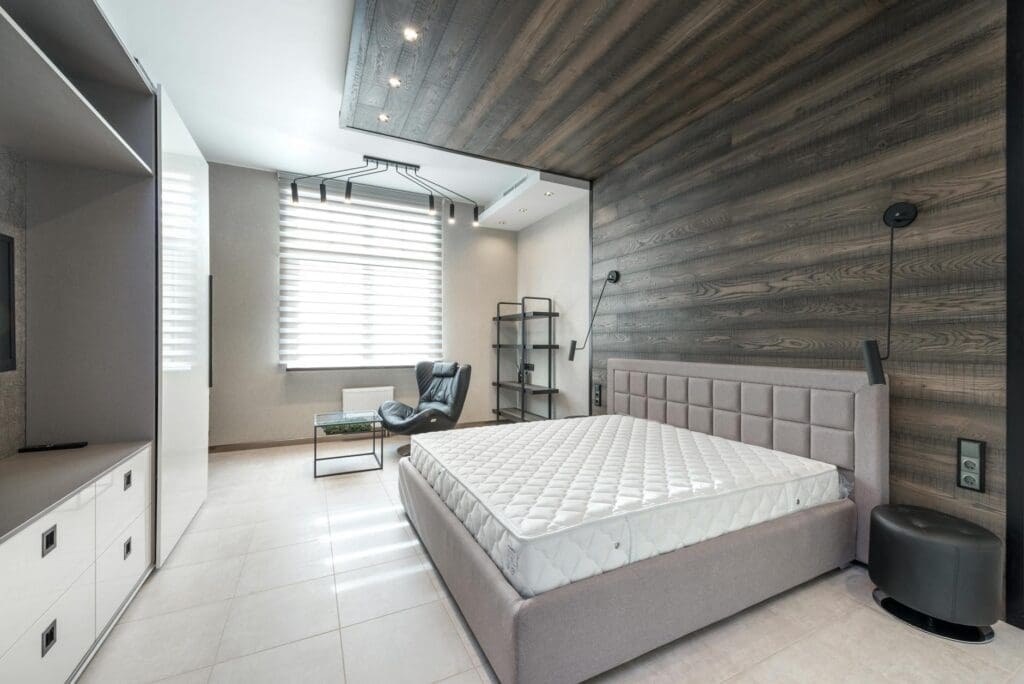
Consider how your heavy mattress will actually sit on the frame. Platform frames with built-in support are ideal because they eliminate the need for a box spring—one less thing to support. If you’re buying a traditional frame that requires a foundation, factor in that additional weight (box springs can add 50-100 pounds) and ensure the frame can handle the combined load.
Some heavy mattress owners prefer low-profile frames or bunkie boards specifically because they reduce height while maintaining support. These are particularly useful if you’re dealing with a 14-16 inch thick mattress and don’t want to need a ladder to get into bed.
When you’re shopping for a bed frame for a heavy mattress, think beyond aesthetics to engineering. The right frame will support your investment silently and reliably for years, while a borderline choice will announce its inadequacy with every creak and groan. Look for that weight capacity rating, quality materials, proper center support, and robust slat systems. Your back—and your sleep—will thank you.
Shopping for a bunk bed mattress isn’t quite the same as choosing one for a standard bed frame. The biggest difference? Safety requirements. The wrong mattress thickness can create a dangerous gap between the sleeping surface and the guardrails, and not every mattress type holds up well on a slatted bunk bed platform. Here’s what […]
That empty corner in your bedroom has potential. You walk past it every day thinking it could be something more—a spot to read before bed, sip your morning coffee, or just escape for a few quiet minutes. A reading chair can transform that awkward space into your favorite corner of the house, but only if […]
If you’ve been tossing and turning on an old mattress, you already know it’s time for a change. But walk into any mattress store or browse online, and you’re immediately hit with the big question: memory foam or innerspring? Both have passionate fans, and honestly, both can give you great sleep. The real answer depends […]