Standing in a furniture store (or scrolling endlessly online), you’ve probably wondered: do I really need a box spring, or should I just get a platform bed? It’s a legitimate question, especially when you’re trying to balance comfort, budget, and bedroom aesthetics. The good news is that both options work beautifully—you just need to figure out which one fits your specific needs.
Understanding the Basic Differences
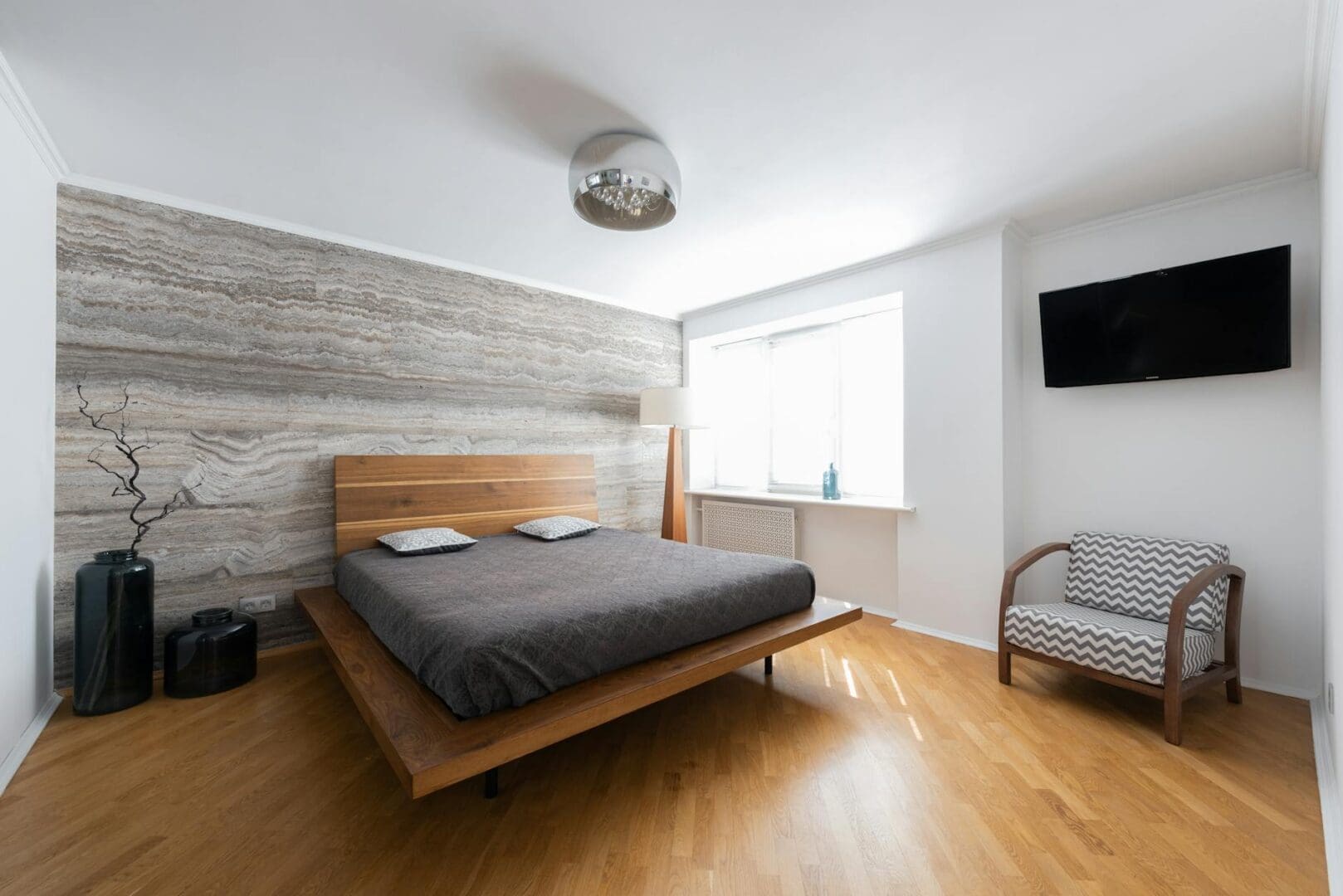
A platform bed has a solid or slatted base built right into the frame, so your mattress sits directly on top without needing additional support. Think of it as an all-in-one solution. Box springs, on the other hand, are separate foundations—typically wooden frames covered in fabric with springs or a grid inside—that sit on a basic bed frame and elevate your mattress.
The platform bed approach is more modern and minimalist, while the box spring setup is traditional (and what many of us grew up with). But the differences go way beyond aesthetics. Platform beds generally sit lower to the ground and work with any mattress type. Box springs add height and were originally designed to work with innerspring mattresses, though that’s changed as mattress technology has evolved.
Comfort, Support, and Mattress Compatibility
Here’s where things get practical. If you have a memory foam, latex, or hybrid mattress, a platform bed is usually your best bet. These mattresses need firm, even support, which a solid platform or closely-spaced slats (no more than 3 inches apart) provide perfectly. Box springs, with their give and bounce, can actually reduce the lifespan of foam mattresses and void some warranties.
Traditional innerspring mattresses, however, were designed to work with box springs. That slight bounce can enhance comfort and help the mattress perform as intended. That said, innerspring mattresses also work fine on platform beds—you’re just getting a firmer feel overall.
One thing to consider: platform beds with solid bases offer maximum support but reduced airflow, which might matter if you sleep hot. Slatted platforms give you support plus breathability. Box springs provide excellent airflow but less firm support for heavier mattresses.
Cost and Bedroom Height Considerations
Budget-wise, platform beds usually win. You’re buying one piece of furniture instead of two, with basic platform frames starting around $150-300 for a queen size. Mid-range upholstered platform beds run $400-800, while solid wood or designer options can reach $1,000-2,000+.
Box spring setups require both a frame and the box spring itself. A basic metal frame costs $50-150, and a box spring adds another $100-300, putting you at $150-450 for the foundation alone (not counting the headboard, if you want one). Higher-quality options and matching bed frames push this higher.
Height is another real consideration. Platform beds typically place your mattress 18-24 inches off the floor, creating a sleek, contemporary look. Box springs add 8-9 inches of height, putting your mattress surface around 25-30 inches up—easier for some people to get in and out of, especially older adults or anyone with mobility concerns. If you have a thick mattress (12+ inches), a platform bed might give you all the height you need.
Storage, Style, and Long-Term Practicality
Platform beds often come with built-in storage drawers—a huge advantage in smaller bedrooms or if you’re short on closet space. This feature alone can eliminate the need for a dresser. Box spring setups, sitting higher off the ground, create under-bed storage space, but you’ll need bins or boxes to keep things organized and dust-free.
Style-wise, platform beds lean modern and streamlined, available in everything from minimalist Japanese-inspired designs to plush upholstered statements. Box spring setups offer more traditional flexibility, especially if you want an ornate headboard and footboard.
For longevity, quality platform beds are incredibly durable—solid wood or metal frames can last decades. Box springs typically need replacing every 8-10 years as the springs wear out, adding to your long-term costs.
So which should you choose? Go with a platform bed if you have a foam or hybrid mattress, want a modern look, need storage, or prefer a one-and-done purchase. Choose a box spring if you love traditional bedroom style, want extra height, have a classic innerspring mattress, or need easier bed access. Both will give you a good night’s sleep—it really comes down to your mattress type, bedroom space, and personal preferences.
If you’ve been tossing and turning on an old mattress, you already know it’s time for a change. But walk into any mattress store or browse online, and you’re immediately hit with the big question: memory foam or innerspring? Both have passionate fans, and honestly, both can give you great sleep. The real answer depends […]
You’re shopping for a mattress online, and every product description mentions firmness: “medium-firm,” “plush,” “extra-firm.” But what do these terms actually mean for your sleep? The frustrating truth is that mattress firmness isn’t standardized across brands, which makes comparing options genuinely confusing. One company’s “medium” might feel like another’s “firm.” Let’s break down what firmness […]
If you weigh over 230 pounds, you’ve probably experienced the frustration of a mattress that sags within a year, leaves you waking up with back pain, or feels like you’re sleeping in a hammock. The truth is, most standard mattresses aren’t built with heavier bodies in mind. But the right mattress can give you the […]