Finding the right dining table isn’t just about picking something that looks nice—it’s about choosing a piece that fits your space, matches how you actually live, and pulls together one of the most-used rooms in your home. Whether you’re working with a cozy breakfast nook or a sprawling open-concept space, the perfect table is out there. Let’s walk through what matters most so you can shop with confidence.
Getting the Size and Shape Right
This is where most people either nail it or end up with buyer’s remorse. Measure your space first, then subtract at least three feet from both length and width—that’s the clearance you need for chairs and people to move comfortably around the table.
For rectangular tables, plan on 24 inches of table space per person. A 72-inch table seats six comfortably, while a 96-inch table handles eight. Round tables work beautifully in square rooms and create a more intimate feel—a 48-inch round seats four, and a 60-inch round fits six. If you’re tight on space, consider oval tables that give you rectangular seating capacity with better traffic flow, or pedestal bases that eliminate corner legs and maximize knee room.
Extendable tables are worth serious consideration if you host occasionally but don’t want a massive table dominating your everyday space. Look for self-storing leaves that tuck underneath—no hunting in the garage when company arrives.
Materials That Match Your Lifestyle
Your dining table material needs to work with your real life, not your aspirational one. Solid wood remains the most popular choice for good reason—it’s durable, repairable, and ages beautifully. Oak and maple offer lighter tones and prominent grain, while walnut brings rich, dark sophistication. Expect to pay $800-$1,500 for quality solid wood in the mid-range category, with artisan and heirloom pieces climbing to $3,000 and beyond.
Engineered wood with wood veneer delivers the look of solid wood at budget-friendly prices ($400-$800), though it won’t hold up to refinishing down the road. Glass tops create an airy, modern feel and make small spaces appear larger, but they show every fingerprint and water ring—only choose glass if you’re diligent about maintenance or don’t have young kids.
Marble and stone tables make stunning statements but require coasters and immediate spill cleanup. Concrete and metal bases have moved from industrial spaces into modern homes, offering unexpected durability and striking visual contrast when paired with wood tops.
Style Considerations That Actually Matter
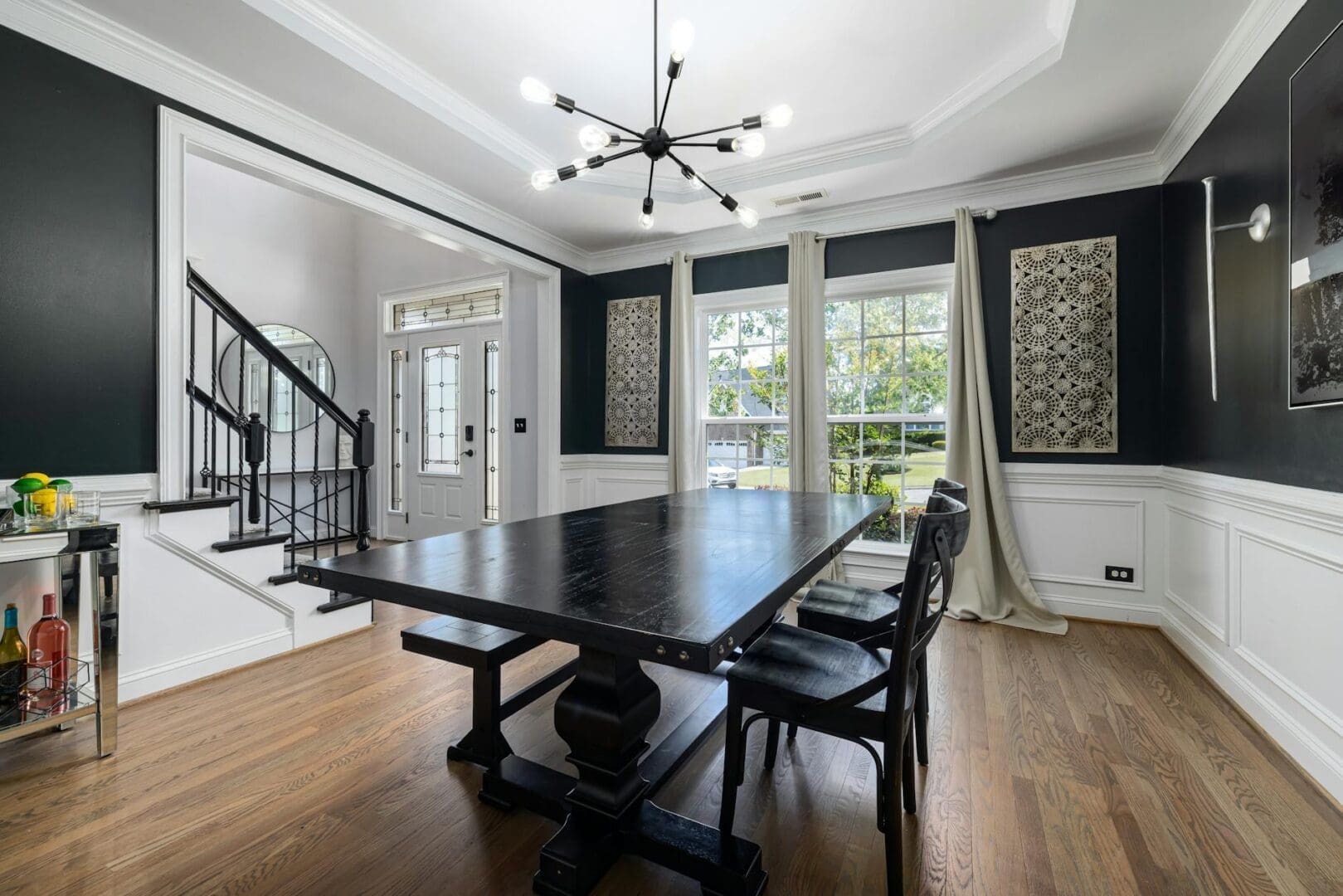
Your dining table sets the tone for the entire room, so think about the vibe you’re creating. Traditional tables with turned legs and decorative aprons bring formality and work well in dedicated dining rooms with classic decor. These typically feature darker woods and more ornamental details.
Modern and contemporary tables embrace clean lines, minimal ornamentation, and often mix materials—think wood tops on metal bases or geometric pedestal designs. Mid-century modern styles remain popular with tapered legs, organic shapes, and warm wood tones that play well with eclectic decor.
Farmhouse and rustic tables continue their reign in casual spaces, featuring chunky proportions, distressed finishes, and substantial presence. These work particularly well in open-concept homes where the dining table needs to anchor a larger area. Counter-height tables (36 inches tall versus the standard 30 inches) create a more casual, pub-like atmosphere and can double as workspace in smaller homes.
The Investment Sweet Spot
Quality dining tables range widely, but understanding the tiers helps you shop smart. Budget options ($300-$600) often feature engineered wood or laminate and work fine for apartments or starter homes, though longevity may be limited. The mid-range ($800-$2,000) is where you’ll find solid construction, real wood or quality materials, and pieces that’ll last 10-15 years with proper care.
Splurge-worthy tables ($2,500+) offer heirloom quality, superior craftsmanship, and materials that improve with age. These make sense if you’re in your forever home or view furniture as a long-term investment. Consider spending more on a timeless style rather than trendy designs that might feel dated in a few years.
The right dining table balances your space constraints, daily needs, aesthetic preferences, and budget. Measure carefully, think honestly about how you’ll use it, and choose materials that fit your maintenance tolerance. When you find that sweet spot, you’ll have a gathering place that serves your family well for years to come.
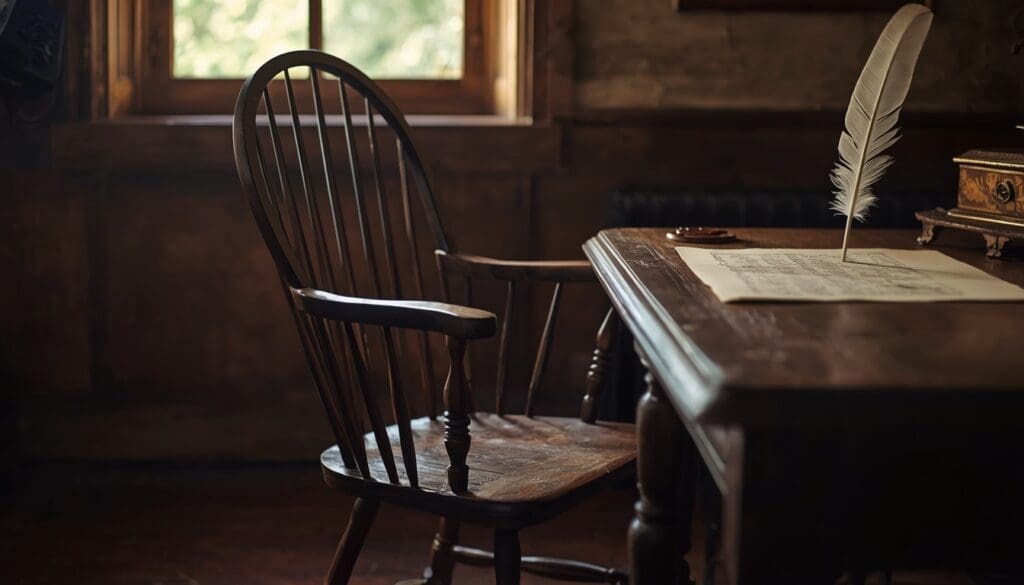
Did You Know? The Declaration of Independence Was Likely Written in a Windsor Chair As America celebrates 250 years of independence, it’s worth looking at one of the quieter witnesses to that history: the humble Windsor chair. Thomas Jefferson is said to have drafted the Declaration of Independence while seated in an unusual revolving Windsor […]
Shopping for a dining table when you have a family of six means you need something that works for Tuesday night homework sessions, weekend pancake breakfasts, and holiday dinners with grandparents—all without taking over your entire dining room. The right table makes family life easier. The wrong one? You’ll feel it every single day. Let’s […]
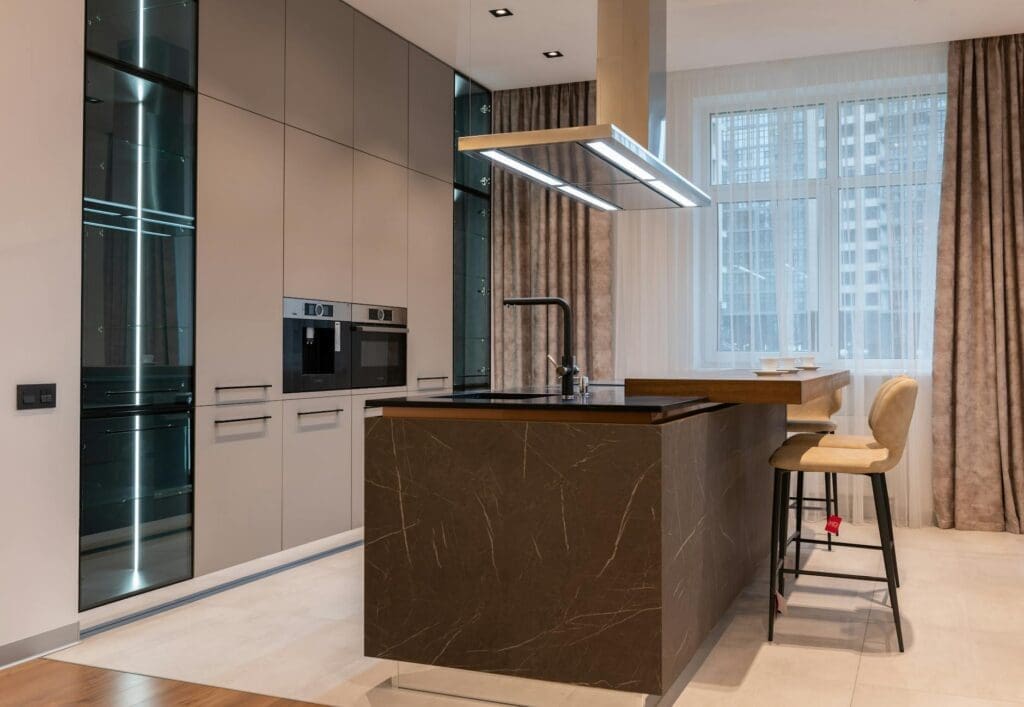
Standing in front of your kitchen island or home bar, trying to decide between swivel and stationary bar stools, you’re probably wondering if that rotating seat is worth the extra cost—or if it’s just a gimmick. The truth is, both styles have their place, and the right choice depends on how you actually use your […]