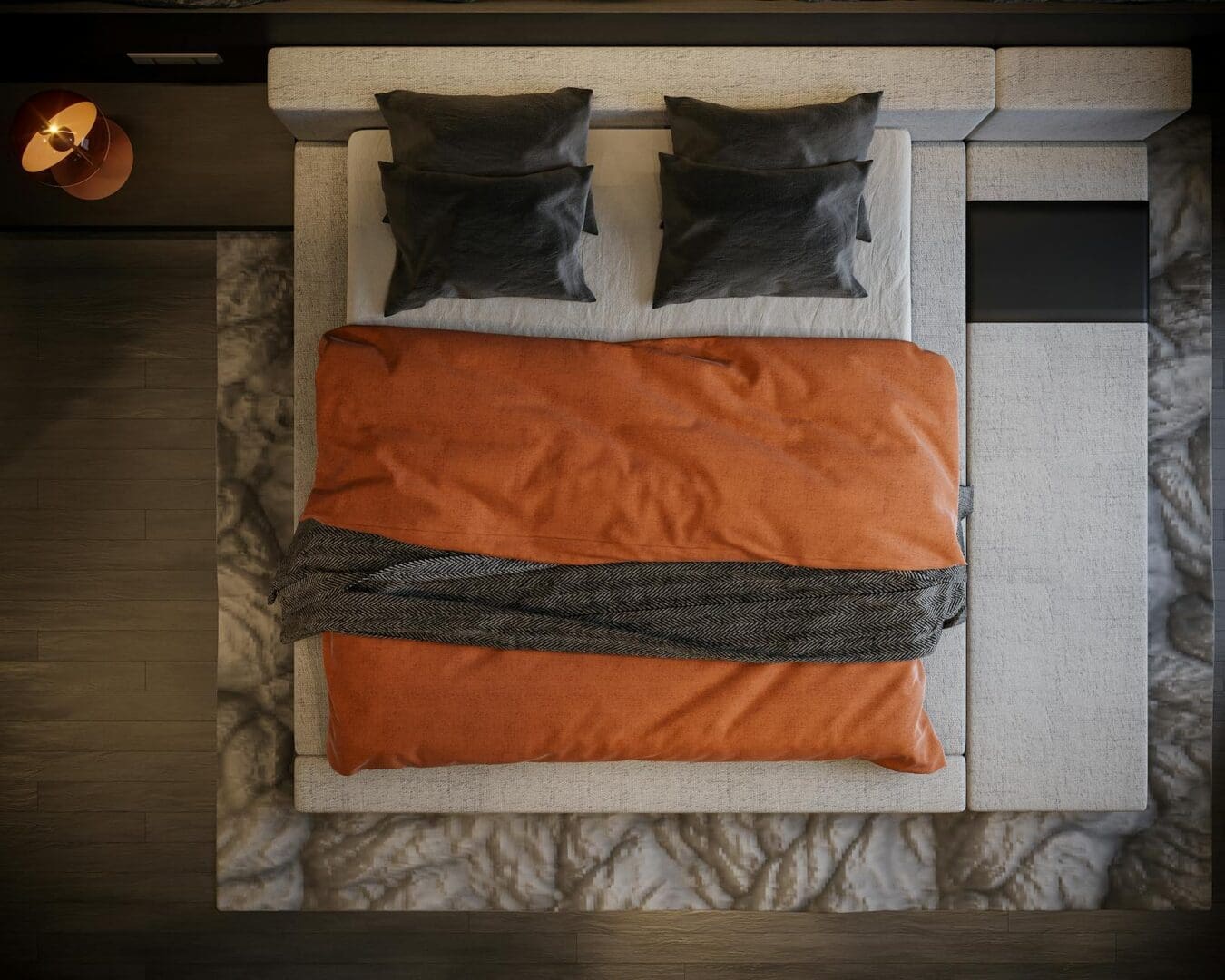
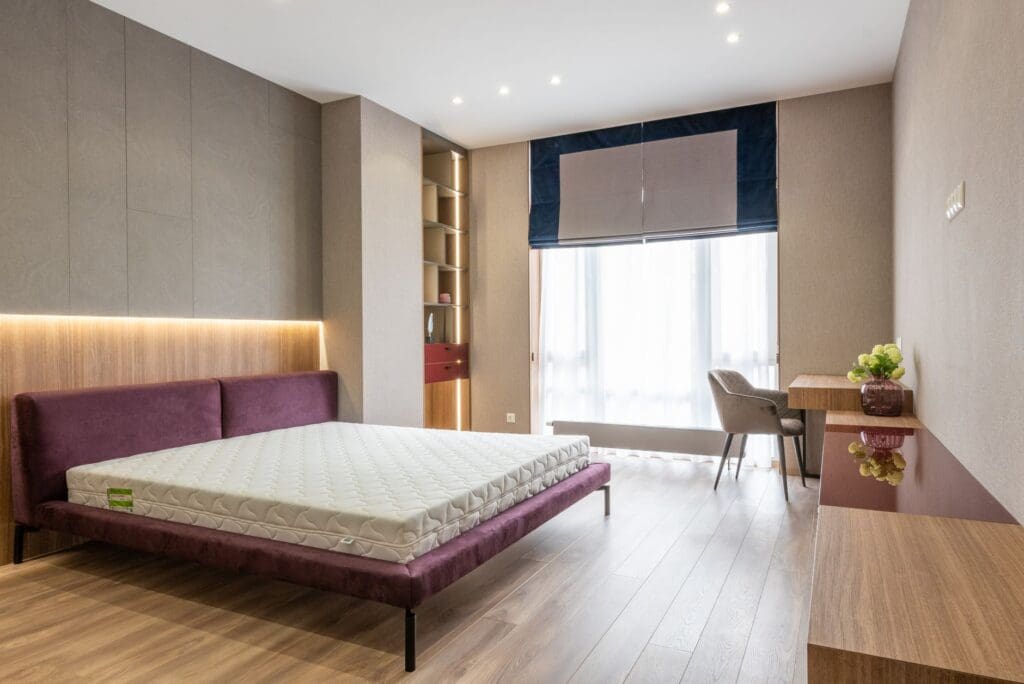
If you’re drawn to clean lines, uncluttered spaces, and furniture that quietly does its job without demanding attention, a platform bed is probably calling your name. These low-profile beds eliminate the need for a box spring, sit closer to the ground, and bring that calm, streamlined aesthetic minimalist homes thrive on. But not all platform beds are created equal, and choosing the right one means thinking about more than just looks.
Understanding Platform Bed Construction
Platform beds get their name from the solid or slatted base that supports your mattress directly. This base is the key feature that sets them apart from traditional bed frames. You’ll find three main construction types, and each affects both the bed’s appearance and functionality.
Solid platform bases offer a completely flat surface, often with small ventilation holes. They’re incredibly sturdy and work with any mattress type, though they can trap heat if airflow is limited. Slatted bases, which are more common, feature wooden or metal slats spaced a few inches apart. They provide better ventilation for your mattress and tend to feel slightly more responsive when you sit on the edge of the bed. Finally, grid or lattice bases combine the benefits of both, offering excellent support with maximum airflow.
For minimalist homes, slatted bases typically look lighter and less bulky, especially if you choose a design where the slats are visible. Just make sure slats are no more than 3 inches apart to properly support memory foam or hybrid mattresses.
Material and Profile Choices
The material you choose dramatically impacts your bedroom’s overall feel. Solid wood platform beds in walnut, oak, or ash bring warmth without visual weight, especially in lighter finishes or natural tones. Expect to pay $400-800 for quality solid wood frames in the budget range, $800-1,500 for mid-range options with better joinery and thicker wood, and $1,500-3,000+ for heirloom-quality hardwood beds from established furniture makers.
Metal platform beds work beautifully in minimalist spaces, particularly powder-coated steel or iron frames in matte black or white. They’re often the most affordable option ($250-600) and have an almost architectural quality that suits industrial-leaning minimalist styles. Upholstered platform beds can also work if you stick to neutral colors and simple shapes, though they do add visual softness that some purists avoid.
Profile height matters more than you might think. Japanese-style platform beds sit just 6-10 inches off the floor and create a serene, grounded feeling. Standard low-profile beds range from 10-14 inches, while higher platform beds (16-20 inches) make getting in and out easier if that’s a concern. Lower beds tend to make rooms feel more spacious, but consider your own mobility needs first.
Storage vs. Pure Simplicity
Here’s where minimalist philosophy meets real-world living. A platform bed with built-in storage seems to contradict minimalist principles, but if those drawers mean you can eliminate a dresser, you’re actually reducing visual clutter in the room.
Platform beds with storage typically feature drawers on one or both sides, or a lift-up base that reveals a large compartment underneath. The drawer style maintains cleaner lines and easier access, while lift-up storage maximizes space but requires clearance to open and can feel bulkier. Some designs incorporate open shelving in the headboard area, which can work if you’re disciplined about what you display.
If storage isn’t a priority, beds with exposed legs create negative space underneath that actually makes your room feel larger. This design also makes cleaning easier and maintains that floating, unanchored aesthetic many minimalists prefer.
Details That Make the Difference
Small design elements separate platform beds that truly work in minimalist spaces from those that just look simple. Skip anything with decorative curves, carved details, or ornate hardware. Instead, look for flush joints, concealed fasteners, and corner details that show quality craftsmanship without drawing attention.
Headboards deserve careful consideration. Many platform beds look best without one, but if you want that finished look or need something to lean against while reading, choose a simple panel headboard or horizontal slat design that echoes the bed’s base. Wall-mounted headboards installed separately give you flexibility and maintain clean lines.
The right platform bed should almost disappear into your space while providing everything you need. Measure your room carefully, consider whether storage would actually simplify your life, and choose materials that feel authentic rather than trendy. When you find a bed that checks these boxes without demanding attention, you’ve found the right one.
You’ve narrowed your mattress search to latex—smart choice. Latex mattresses are known for their durability, support, and that distinctive responsive feel that’s neither memory foam nor traditional innerspring. But now you’re facing another decision: natural, synthetic, or blended latex? The price difference can be significant, and you want to make sure you’re getting what you’re […]
Shopping for a bunk bed mattress isn’t quite the same as choosing one for a standard bed frame. The biggest difference? Safety requirements. The wrong mattress thickness can create a dangerous gap between the sleeping surface and the guardrails, and not every mattress type holds up well on a slatted bunk bed platform. Here’s what […]
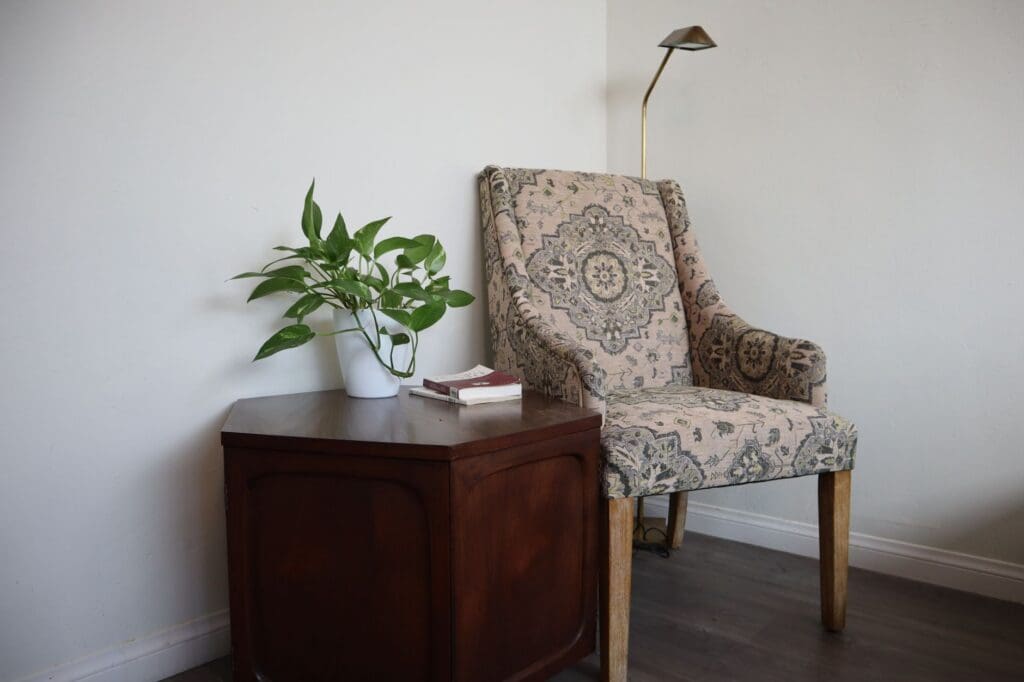
That empty corner in your bedroom has potential. You walk past it every day thinking it could be something more—a spot to read before bed, sip your morning coffee, or just escape for a few quiet minutes. A reading chair can transform that awkward space into your favorite corner of the house, but only if […]