Your bedroom should be the most peaceful room in your home—a place where stress melts away the moment you walk through the door. Yet so many of us treat our bedrooms as an afterthought, cramming in mismatched furniture or letting clutter creep in until the space feels more chaotic than calming. The good news? Creating a true bedroom retreat doesn’t require a complete overhaul or a luxury hotel budget. It’s about making thoughtful choices with your furniture, colors, and textures that work together to promote rest and relaxation.
Start With a Bed That Invites You In
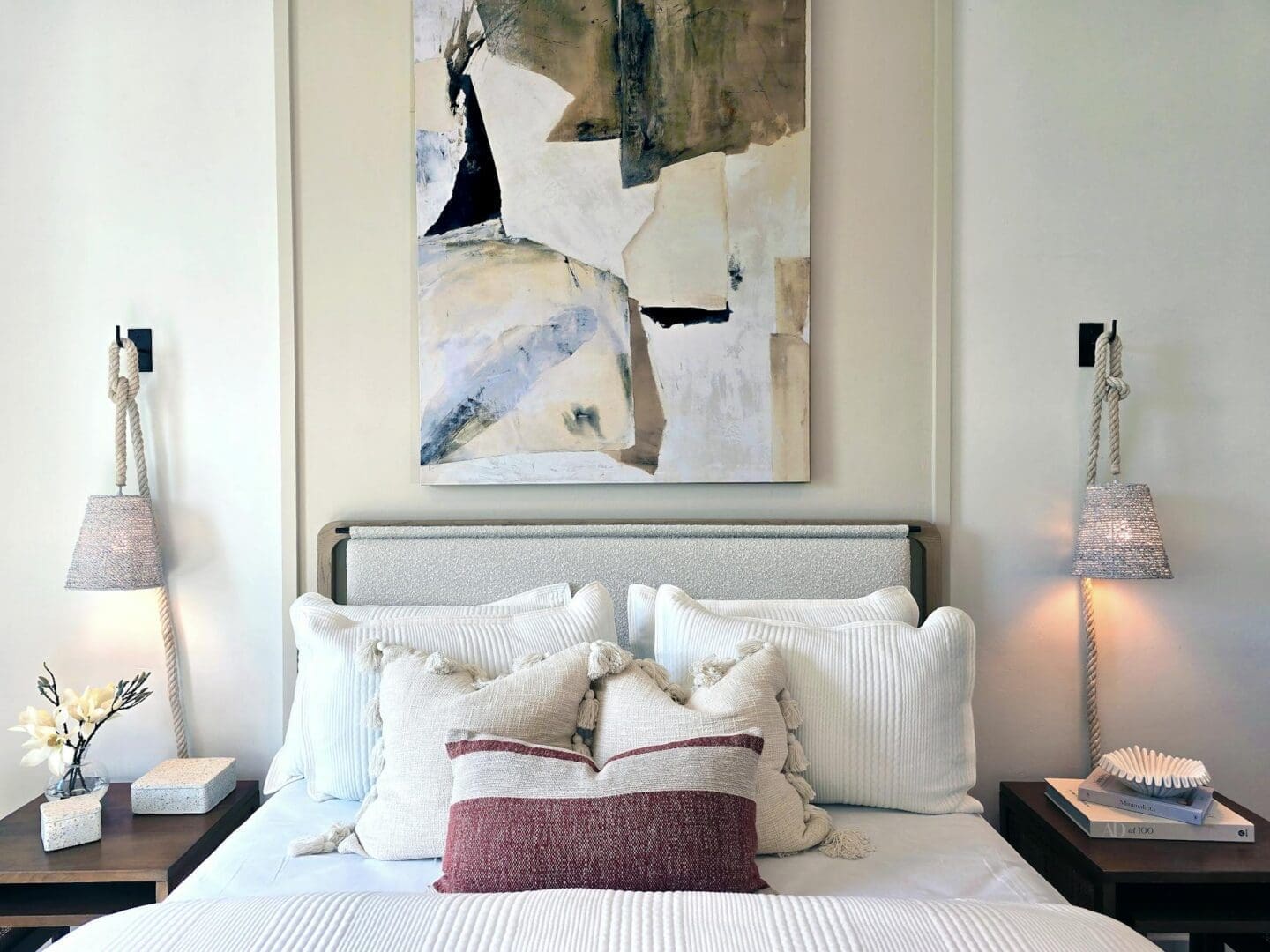
Your bed is the foundation of your retreat, so this isn’t the place to compromise. A quality upholstered headboard in a soft fabric like linen or velvet immediately elevates the room’s comfort level—both visually and physically. Look for headboards that are at least 48-54 inches tall for a hotel-like feel that anchors the space.
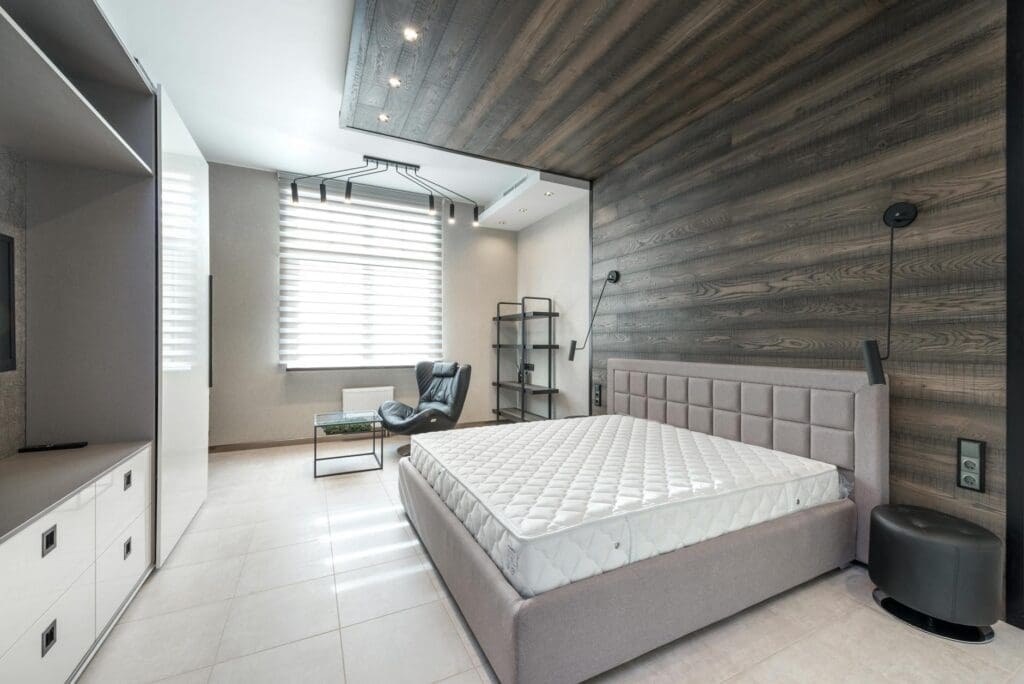
The bed frame itself matters too. Platform beds with clean lines create a modern, uncluttered look, while a classic sleigh bed or canopy frame adds a cocooning effect that many people find deeply soothing. Budget options start around $300-500 for a solid frame, while mid-range upholstered beds run $700-1,200. If you’re splurging, consider beds with built-in storage ($1,500+) to eliminate clutter—a major peace-of-mind upgrade.
Don’t forget the mattress and bedding. Invest in the best mattress you can afford, then layer it with high-thread-count sheets, a quality duvet, and multiple pillows in varying firmness. The goal is to create a bed so inviting that you actually look forward to bedtime.
Choose Furniture That Minimizes Visual Clutter
A relaxing bedroom feels spacious and uncluttered, even if the room itself is small. This means being selective about what furniture you include and choosing pieces with smart storage solutions.
Nightstands with drawers (rather than open shelving) keep necessities close but out of sight. Look for styles that match your bed’s aesthetic—a sleek floating nightstand for modern spaces, or a substantial wooden piece with multiple drawers for traditional rooms. Expect to spend $150-300 per nightstand for solid construction that will last.
If you need a dresser, consider whether you have closet space to minimize bedroom furniture. When a dresser is necessary, choose one with smooth-gliding drawers and enough storage to prevent overflow. A six-drawer dresser ($400-900) works for most people, while a taller chest of drawers saves floor space in smaller rooms.
Skip the unnecessary. That unused treadmill, desk chair, or accent chair that’s become a laundry collector? They’re working against your retreat goals. Keep only furniture that serves your sleep and relaxation.
Layer Lighting for Different Moods
Harsh overhead lighting is the enemy of relaxation. Your bedroom needs multiple light sources you can adjust throughout the evening to signal your body that it’s time to wind down.
Start with bedside table lamps that provide warm, soft light for reading. Look for lamps with three-way bulbs or dimmers so you can adjust brightness. Expect to spend $60-150 per lamp for quality options with fabric or frosted glass shades that diffuse light gently.
Add ambient lighting through wall sconces, a small chandelier, or pendant lights on dimmer switches. This indirect lighting creates a soothing glow without the glare of ceiling fixtures. Floor lamps in a corner can also work well, especially arc lamps that direct light upward to bounce off the ceiling.
Consider smart bulbs ($15-30 each) that let you control color temperature. Warmer tones (2700K-3000K) in the evening promote melatonin production, while you can brighten things up in the morning when needed.
Add Comfort Through Texture and Seating
The final layer of your bedroom retreat comes from thoughtful soft furnishings and a dedicated spot for activities that aren’t sleep.
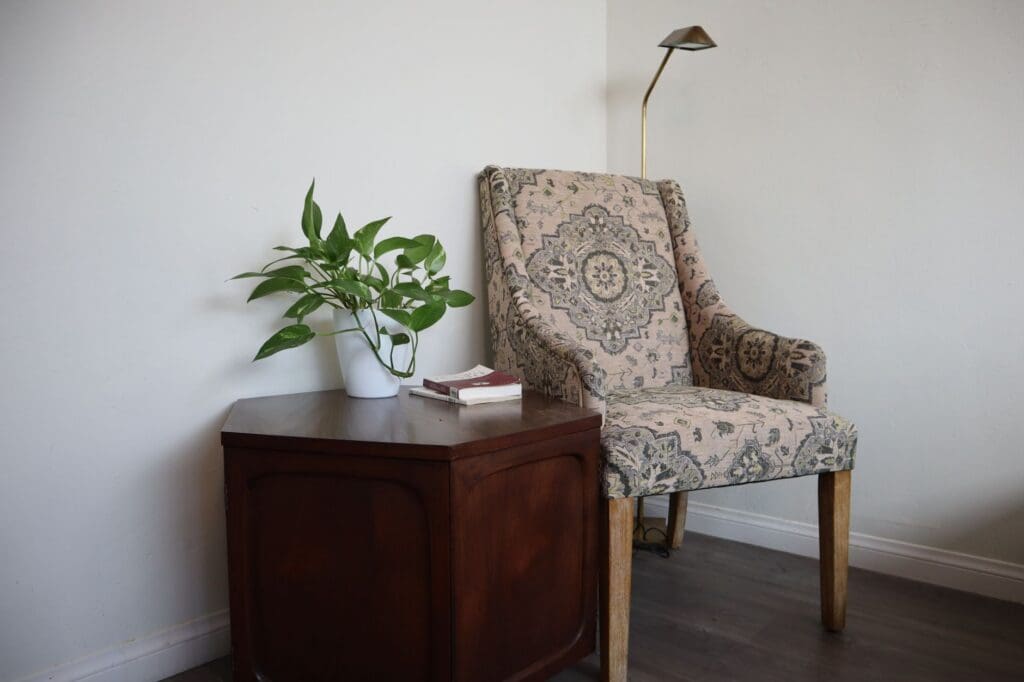
A cozy reading chair or small upholstered bench at the foot of the bed gives you somewhere to sit that isn’t your bed—important for sleep hygiene. An accent chair with an ottoman ($400-800) creates a mini reading nook, while a simple tufted bench ($200-400) adds elegance and practicality for putting on shoes.
Area rugs add warmth underfoot and dampen sound. A plush rug beside the bed (or a larger one underneath) makes those first morning steps gentler. Layering throw blankets and decorative pillows on your bed or chair introduces texture that makes the space feel more inviting, though avoid overdoing it—you want comfort, not clutter.
Your bedroom retreat should feel like a deep exhale at the end of each day. By choosing furniture that promotes calm, controlling your lighting, and eliminating clutter, you create a space that truly supports rest. The investment you make in quality pieces that help you sleep better and wake up refreshed pays dividends in your overall wellbeing—and that’s worth far more than the price tags suggest.
Shopping for a bunk bed mattress isn’t quite the same as choosing one for a standard bed frame. The biggest difference? Safety requirements. The wrong mattress thickness can create a dangerous gap between the sleeping surface and the guardrails, and not every mattress type holds up well on a slatted bunk bed platform. Here’s what […]
That empty corner in your bedroom has potential. You walk past it every day thinking it could be something more—a spot to read before bed, sip your morning coffee, or just escape for a few quiet minutes. A reading chair can transform that awkward space into your favorite corner of the house, but only if […]
If you’ve been tossing and turning on an old mattress, you already know it’s time for a change. But walk into any mattress store or browse online, and you’re immediately hit with the big question: memory foam or innerspring? Both have passionate fans, and honestly, both can give you great sleep. The real answer depends […]