If you’re staring at your child’s bedroom wondering when it started looking so chaotic or outdated, you’re not alone. Kids’ spaces seem to outgrow themselves faster than any other room in the house. The good news? This year’s trends in kids’ bedrooms strike a rare balance between what looks great now and what’ll still work as your kids grow. Let’s walk through the trends that are actually worth your time and money.
Furniture That Grows With Them
The biggest shift happening right now is away from overly themed, juvenile furniture toward pieces with staying power. Think platform beds with clean lines instead of race car beds, and dressers in natural wood tones rather than primary-colored plastic.
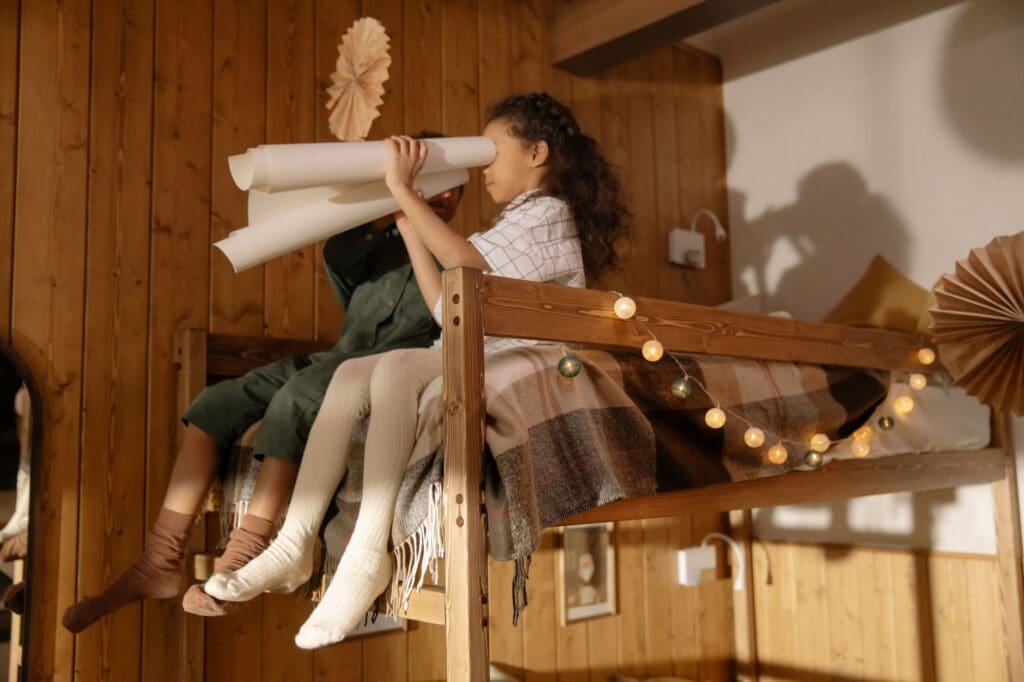
Modular furniture systems are having a real moment, and for good reason. These pieces can be reconfigured as needs change—a toddler’s low bookshelf becomes a teen’s media console. Loft beds with desk space underneath work beautifully for kids from about age six through high school, maximizing floor space in smaller rooms. You’ll find budget-friendly options starting around $300, while solid wood systems from quality manufacturers run $800-1,500 but genuinely last for years.
Convertible pieces are equally smart. Daybeds function as both seating and sleeping space, perfect for kids who want hangout space with friends. Adjustable-height desks accommodate growing bodies and increasingly important homework sessions. Yes, these pieces cost more upfront—expect to pay $400-700 for a good adjustable desk—but you won’t be replacing furniture every few years.
Calmer, More Sophisticated Color Palettes
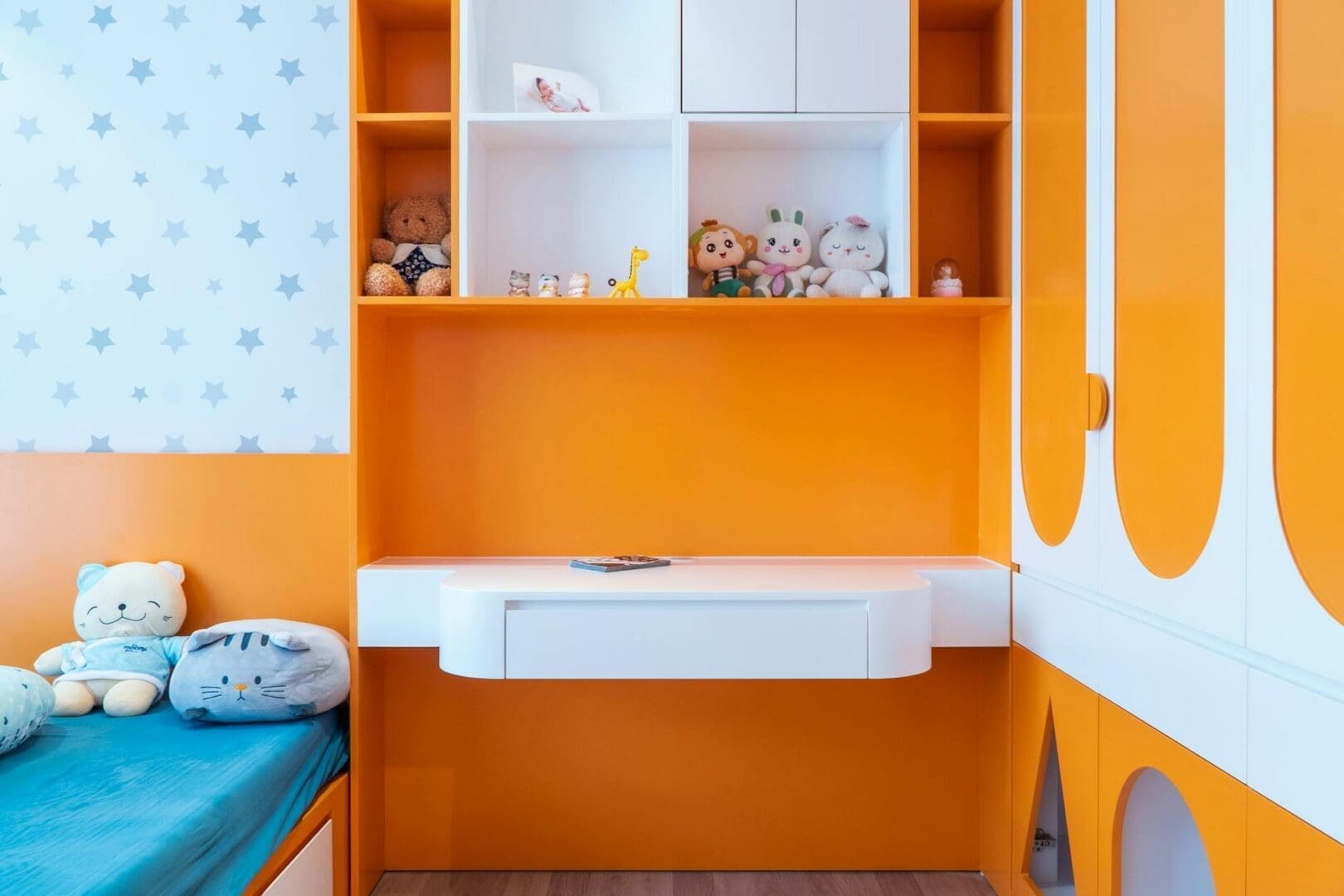
Bright primary colors are stepping aside for earthy, muted tones that feel fresh without being babyish. Sage green, terracotta, dusty blue, and warm neutrals are everywhere in kids’ rooms right now, often paired with natural wood accents.
This doesn’t mean boring—it means your eight-year-old’s room won’t feel painfully outdated when they turn twelve. These colors provide a sophisticated backdrop that works with changing interests and decor. You can still bring in personality and whimsy through bedding, artwork, and accessories that are easier and less expensive to swap out than entire furniture pieces.
Accent walls remain popular, but the execution has evolved. Instead of cartoon character murals, consider peel-and-stick wallpaper with geometric patterns, subtle stripes, or nature-inspired designs. These run $30-80 per roll and can be changed without repainting, giving you flexibility as tastes mature.
Bringing the Outdoors In
Nature-inspired design is showing up in kids’ rooms in surprisingly practical ways. We’re seeing rattan headboards, woven storage baskets, wooden pegboards for organization, and house-shaped bed frames that feel playful without being over-the-top themed.
Plants are making their way into older kids’ and teens’ rooms—not delicate orchids, but hardy pothos, snake plants, and succulents that survive benign neglect. A simple wooden plant stand or hanging planter adds life and teaches a bit of responsibility. Botanical prints and nature photography are replacing cartoon posters, growing with your child’s developing aesthetic sense.
Natural fiber rugs in jute or wool add warmth and texture while being durable enough to handle kids’ wear and tear. Budget around $150-300 for a quality 5×7 rug that’ll hold up to foot traffic and the occasional spill.
Smart Storage That Actually Works
Let’s be honest—kids’ rooms accumulate stuff like nowhere else. This year’s trend toward low-profile, accessible storage is genuinely helpful rather than just decorative.
Open shelving systems, cube organizers with fabric bins, and under-bed storage drawers keep things contained without requiring complex organizational skills from little ones. Rolling carts (yes, the kind that went viral) work surprisingly well for art supplies, books, or toys, and can move around the room as needed. Wall-mounted solutions like floating shelves and pegboards keep floors clear and make cleaning easier—something your future self will appreciate.
Built-in window seats with storage underneath are appearing in more kids’ rooms, creating cozy reading nooks while hiding toys, sports equipment, or off-season clothes. If you’re handy or working with a carpenter, expect to invest $500-1,200 depending on size and materials, but the functionality is hard to beat.
These trends share something important: they respect that kids’ rooms need to function beautifully through multiple stages of childhood. Whether you tackle one update or redesign the whole space, focusing on adaptable furniture, sophisticated colors, natural elements, and practical storage will give you a room that works harder and lasts longer. Your kids get a space that feels current and grows with them, and you get to stop replacing furniture every few years. That’s a trend worth following.
Shopping for a bunk bed mattress isn’t quite the same as choosing one for a standard bed frame. The biggest difference? Safety requirements. The wrong mattress thickness can create a dangerous gap between the sleeping surface and the guardrails, and not every mattress type holds up well on a slatted bunk bed platform. Here’s what […]
That empty corner in your bedroom has potential. You walk past it every day thinking it could be something more—a spot to read before bed, sip your morning coffee, or just escape for a few quiet minutes. A reading chair can transform that awkward space into your favorite corner of the house, but only if […]
If you’ve been tossing and turning on an old mattress, you already know it’s time for a change. But walk into any mattress store or browse online, and you’re immediately hit with the big question: memory foam or innerspring? Both have passionate fans, and honestly, both can give you great sleep. The real answer depends […]